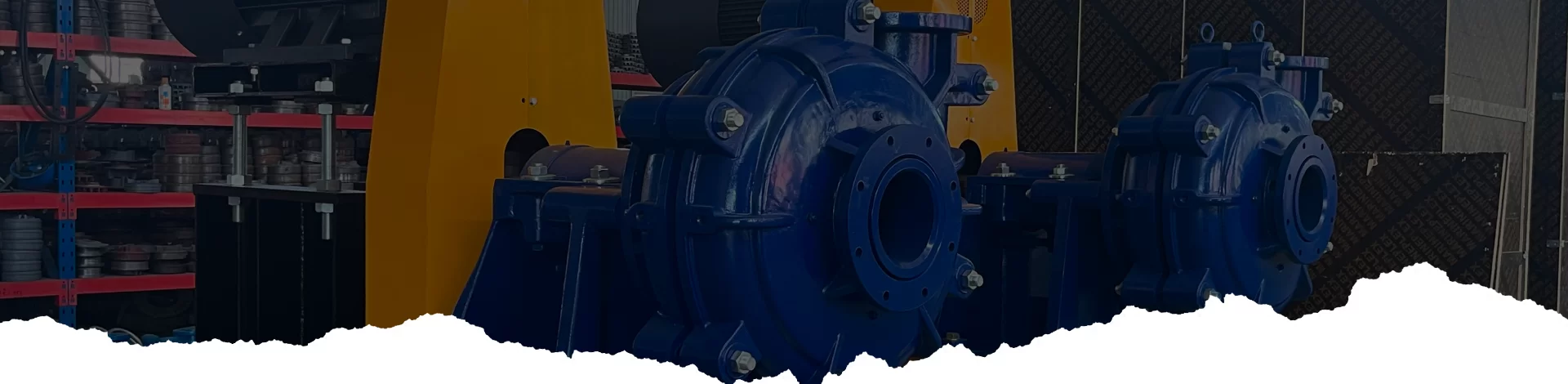
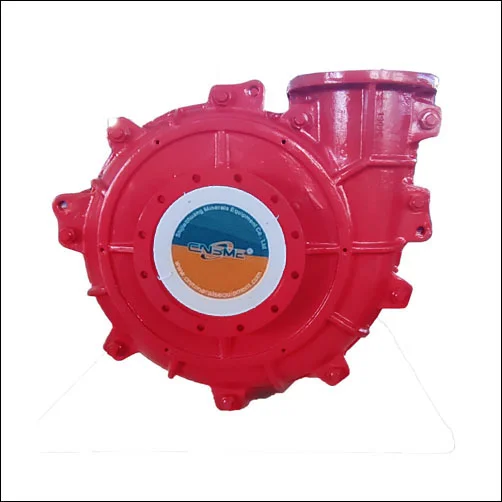
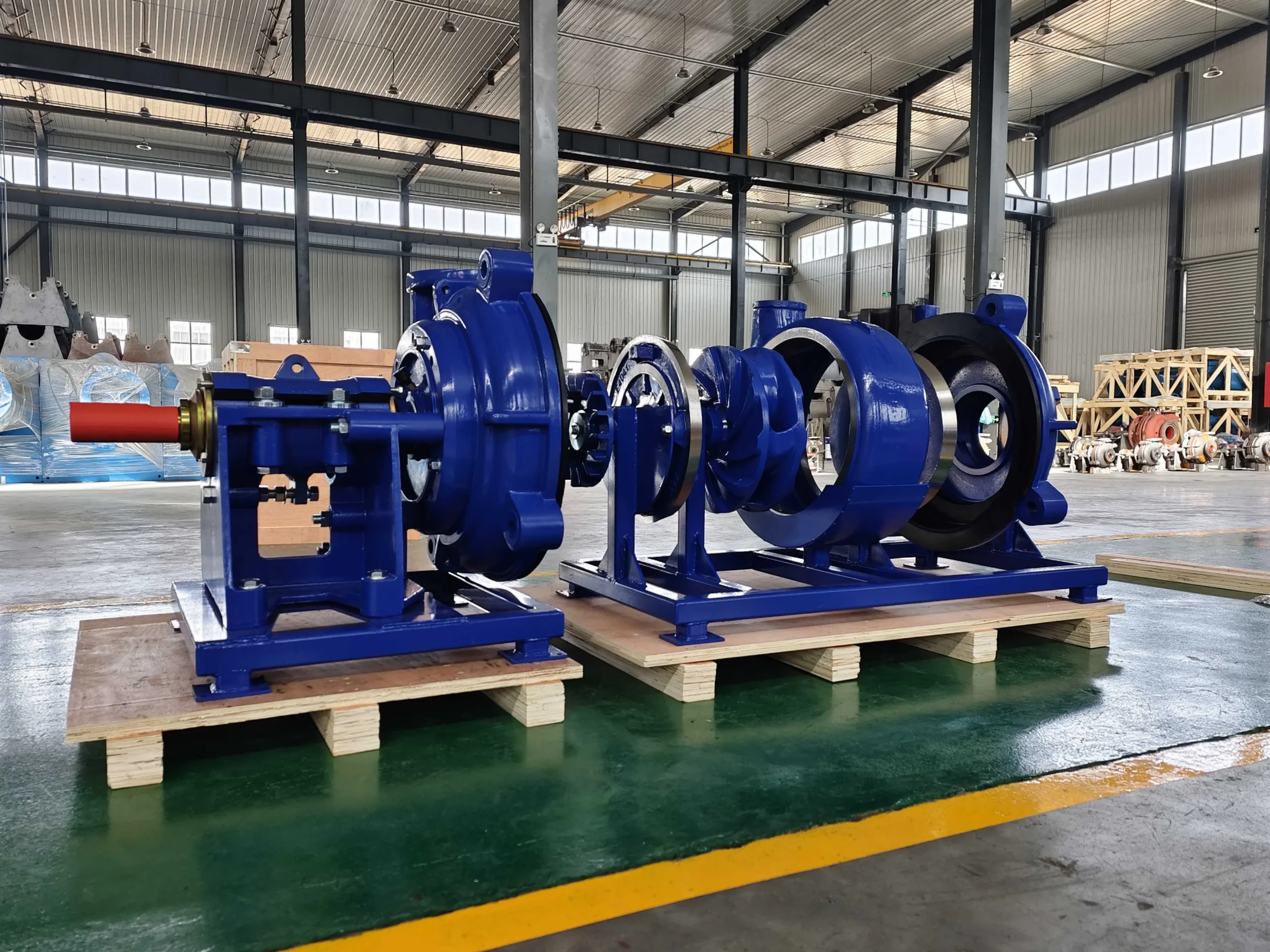
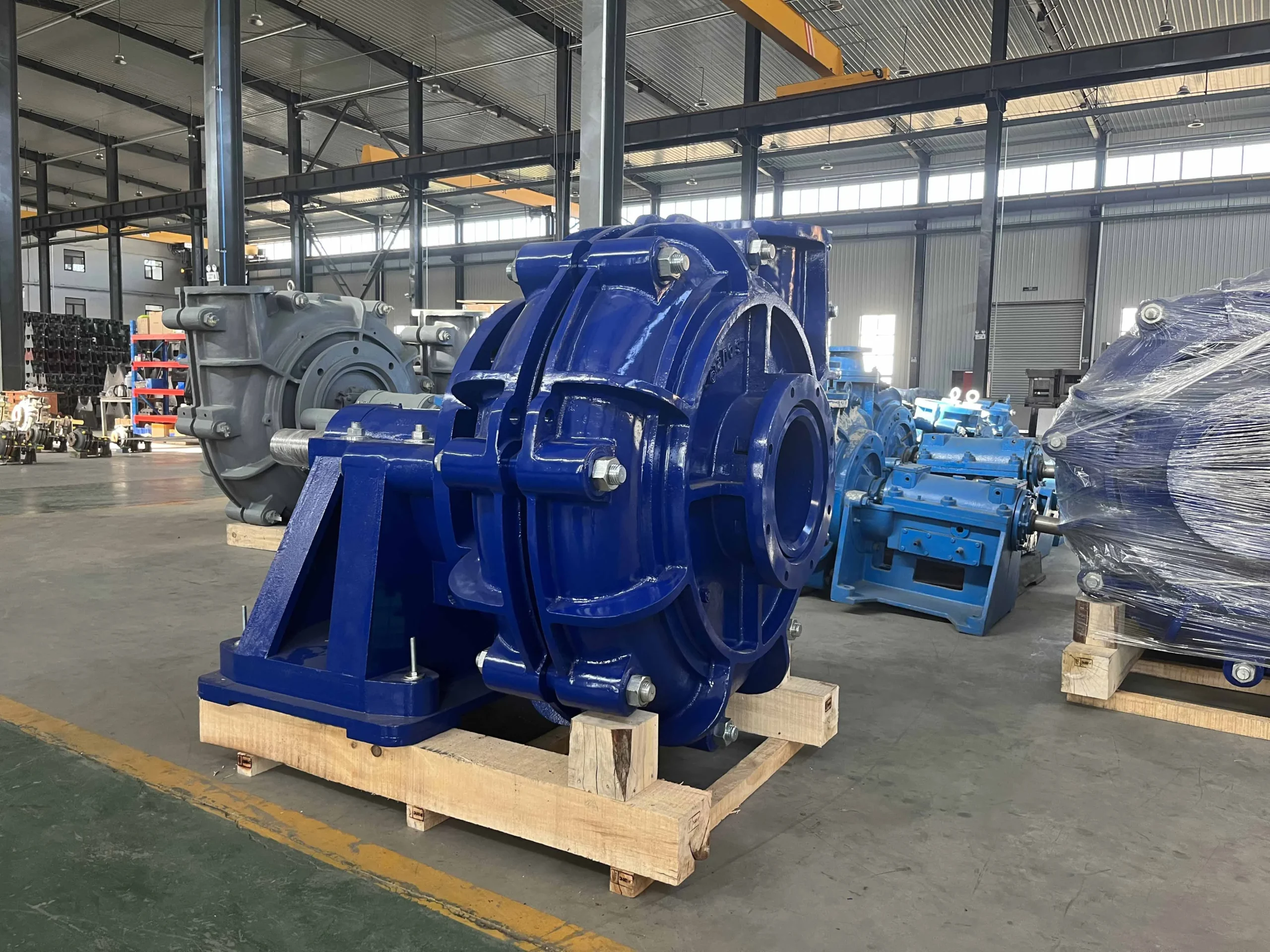
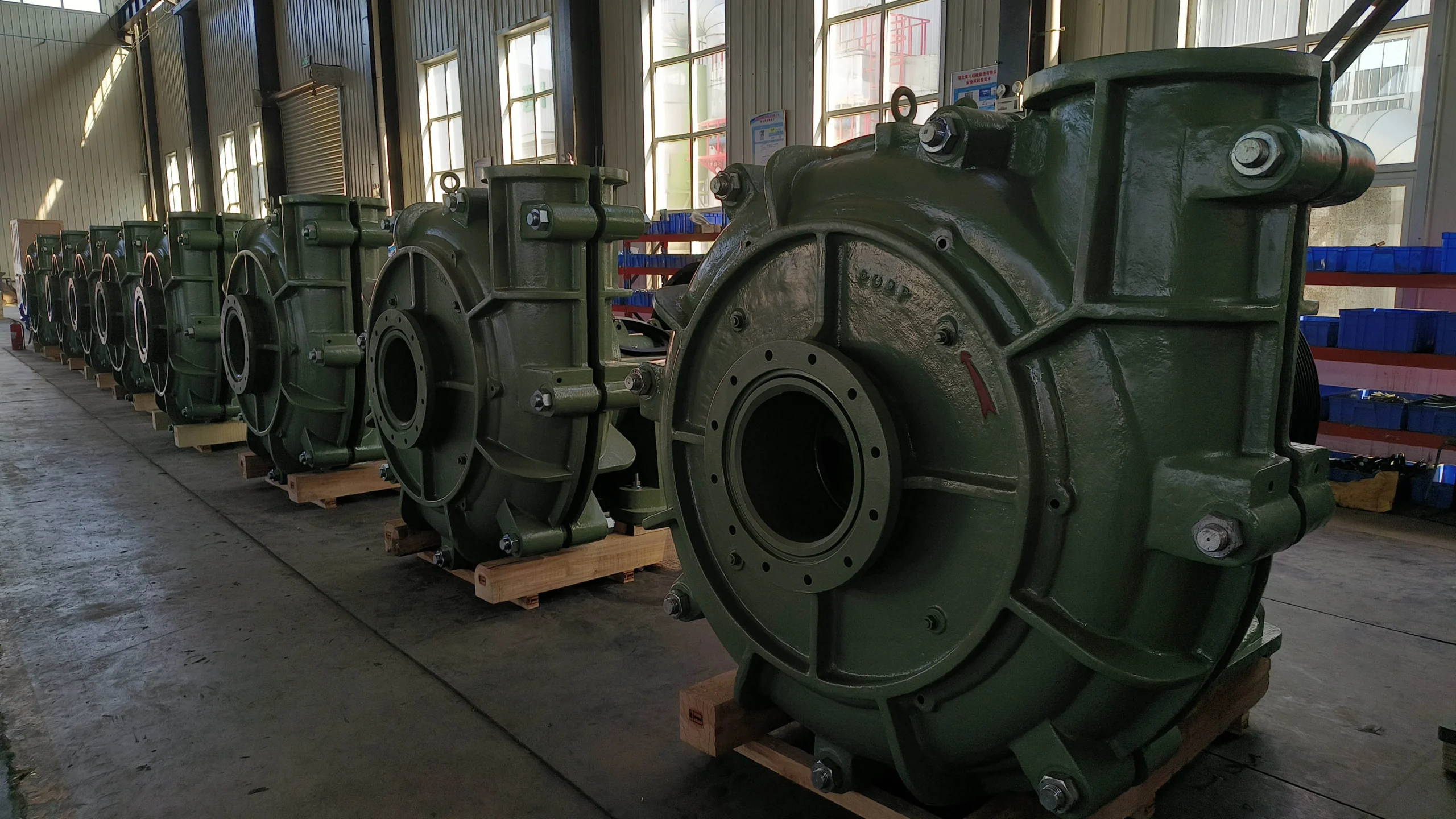
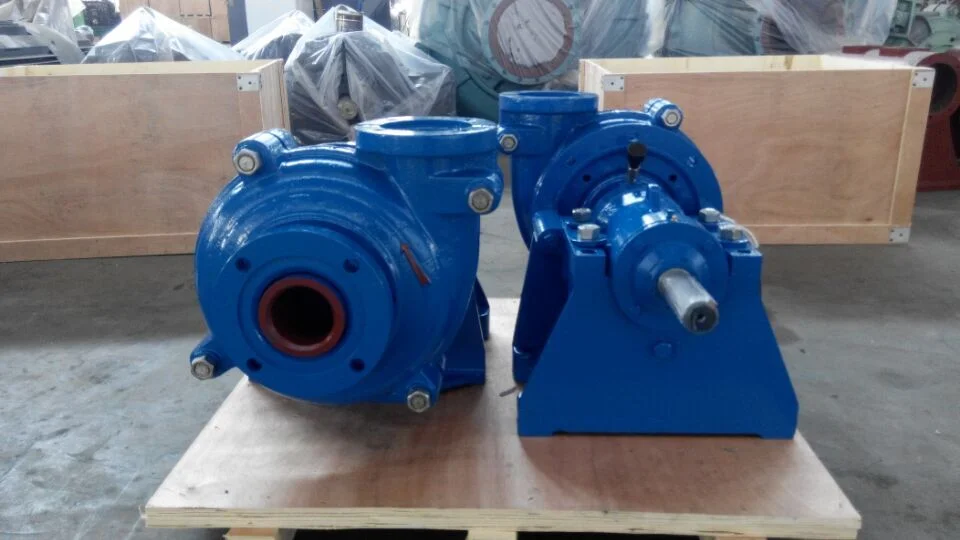
You know, lately everyone’s talking about Industry 4.0, smart factories, the Internet of Things… honestly, it's a lot of buzzwords. But what I've really noticed on sites is everyone's scrambling for more reliable slurry pumps. It’s not about fancy sensors, it’s about keeping things moving. Seems simple, right? But believe me, it’s not. Especially when you’re dealing with abrasive materials – you need a metal lined slurry pump that can actually handle the grit.
And let me tell you, designing these things… it’s a minefield. You think you’ve got it figured out, the impeller angle is perfect, the lining thickness is just right. Then you get to a site where the slurry is hotter than expected, or has a higher solids concentration, and suddenly your “perfect” design is just… well, a mess. I saw it happen at the coal processing plant near Shanxi last year – pump seized up in three days. Three days!
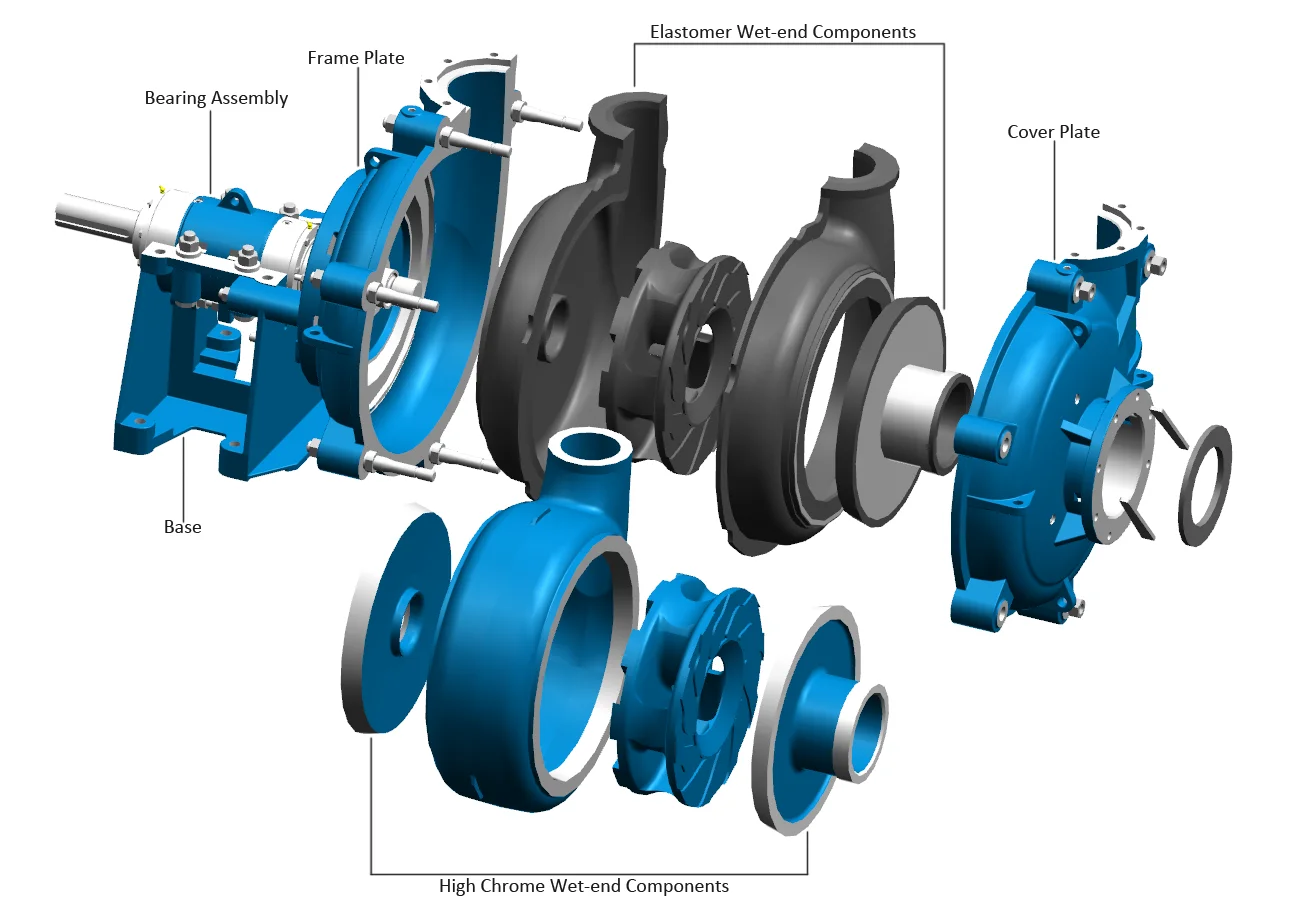
The metal lining, that's the core. We’re primarily using high-chromium cast iron, that’s the workhorse. Feels cold, a little rough to the touch, smells faintly metallic, you know? You can tell a good casting just by the weight of it. We also experiment with ceramic linings for especially corrosive applications, but that stuff is brittle, you gotta handle it like it's made of glass. Surprisingly, sometimes even rubber linings do a fantastic job for lower pressure, higher volume stuff.
The Current Landscape of metal lined slurry pump
Honestly, the biggest trend I’m seeing isn’t about some new magical alloy, it's just people wanting pumps that last. Used to be, you'd replace a pump every six months, it was just part of the budget. Now, with everything costing more, and labor being harder to find, everyone wants something that’ll run for a year, two years, even five if they’re lucky. That’s driving demand for better metal lined slurry pump solutions.
The mining industry is a huge driver, obviously. But I’m seeing increased demand from wastewater treatment plants too. They’re dealing with more and more complex sludges, and their old pumps just can’t handle it. And strangely, the chemical processing sector is also picking up, with them using more abrasive chemicals and requiring more robust equipment.
Design Pitfalls and Considerations for metal lined slurry pump
Look, the impeller design is critical, but everyone focuses on that. To be honest, it’s the volute casing that often gets overlooked. If the flow path isn’t smooth, you get cavitation, erosion, the whole nine yards. I encountered this at a phosphate mine in Florida last time - the casing was too restrictive, and the pump was shot within a month.
Then there’s the seal arrangement. That’s always a headache. You need something that can handle the abrasive slurry, prevent leakage, and not overheat. Mechanical seals are the way to go, but even those can fail if the slurry is too aggressive. You've got to consider the particle size, the particle shape, the solids concentration… it's endless.
And don’t even get me started on shaft alignment. If that’s off, even by a millimeter, you’re asking for trouble. Vibration, bearing failure, catastrophic pump damage. It's a basic thing, but you wouldn't believe how often it's messed up on site.
Materials and On-Site Handling of metal lined slurry pump
We're heavily leaning on high-chromium cast iron as I mentioned, primarily for its abrasion resistance. But there’s a huge difference in quality between different foundries. Some castings are porous, prone to cracking. You can tell by looking at the fracture surface, if you know what you’re looking at, that is.
Handling these things on site is… chaotic, to say the least. You gotta be careful not to drop them, not to damage the lining. And honestly, most guys don’t care. They just want to get the pump installed and get on with their day. I’ve seen pumps dragged across concrete floors, dropped off trucks… it’s brutal. That’s why we now ship them in heavy-duty crates, but even that’s not foolproof.
Ceramic linings are fantastic for corrosion, but they are so brittle. You have to use specialized lifting equipment, and even then, a dropped ceramic-lined pump is a write-off. Later… forget it, I won’t mention it. It was a disaster.
Real-World Testing and Performance of metal lined slurry pump
Lab tests are fine, but they don’t tell you the whole story. I prefer to see pumps tested in actual operating conditions. We set up a testing loop at a sand processing plant in Nevada, running the pumps 24/7 with real slurry. That’s where you really find out what works and what doesn’t.
We measure everything – flow rate, head, power consumption, vibration levels, lining wear rate. But we also listen to the pumps. A good pump sounds smooth, confident. A bad pump… well, it rattles, groans, and generally sounds like it’s about to fall apart.
Metal Lined Slurry Pump Performance Comparison
User Application and Operational Insights of metal lined slurry pump
You know, I've noticed people often underestimate the importance of proper installation. They just slap the pump in place and expect it to work. But the alignment, the pipe support, the suction lift… all those things matter. A lot.
And they don't always use the pumps as intended. I saw a guy using a metal lined slurry pump to pump concrete once. Concrete! I told him it wasn't designed for that, but he just shrugged and said, “It’s a pump, it pumps!” Needless to say, it didn't last long.
Advantages and Disadvantages of metal lined slurry pump
The biggest advantage, hands down, is durability. A well-designed, well-maintained metal-lined pump will outlast pretty much anything else. And honestly, that’s what matters in the long run.
But they’re not perfect. They’re heavier, more expensive upfront, and can be harder to repair than other types of pumps. Plus, the metal lining can eventually wear through, especially with highly abrasive slurries. It's a trade-off, always a trade-off.
Anyway, I think the initial cost is often offset by the reduced maintenance and downtime.
Customization and Adaptability of metal lined slurry pump
We had this customer in Shenzhen last month, a small boss making smart home devices. He insisted on changing the inlet interface to , because “it’s the future, man!” It was a complete pain to engineer, added a ton of cost, and honestly didn’t make a lick of difference to the pump’s performance. But he was adamant, so we did it. That’s the kind of customization we can handle.
We can adjust the impeller design, the lining thickness, the seal arrangement, even the material of construction. It all depends on the application and the customer’s specific requirements. We can also offer different mounting options, different motor types, different control systems.
The key is to understand the application. You need to know the slurry characteristics, the flow rate, the head, the operating temperature, the environmental conditions… all those things. Otherwise, you’re just guessing.
Metal Lined Slurry Pump – Key Design and Performance Parameters
| Pump Component | Material Options | Typical Wear Rate | Maintenance Frequency |
|---|
| Impeller | High-Chrome Iron, Ceramic | 0.1-0.5 mm/year | 6-12 months |
| Volute Casing | High-Chrome Iron, Rubber Lining | 0.05-0.3 mm/year | 12-24 months |
| Shaft | Stainless Steel, Alloy Steel | Minimal | Annual Inspection |
| Seals | Mechanical Seals, Packing | Variable, depending on slurry | 3-6 months |
| Lining | High-Chrome Iron, Ceramic, Rubber | 0.02-0.4 mm/year | 18-36 months |
| Bearing Assembly | Grease-lubricated, Oil-lubricated | Minimal | Annual Re-greasing/Oil Change |
FAQS
It really depends on the slurry composition, but generally, you can expect anywhere from 2 to 5 years of continuous operation with proper maintenance. High solids content, large particle sizes, and highly abrasive materials will significantly reduce the lifespan. It’s about balancing initial cost with expected operational life – a cheaper pump that needs replacing yearly isn’t always the best deal.
That's a big one. High-chromium iron is your all-rounder for abrasion resistance. Ceramic is great for corrosive environments, but brittle. Rubber linings work well for lower pressures and higher volumes. Honestly, it comes down to analyzing your slurry – what’s the pH, what’s the particle size distribution, what’s the solids concentration? We can help you with that if you send us a sample.
Cavitation is a killer, caused by insufficient suction head or restrictions in the flow path. Erosion, especially in the impeller and volute, is inevitable with abrasive slurries. Seal failures are also common, due to wear or improper installation. And then there's misalignment – that’ll take a pump out quickly. Regular inspections are key.
Yes, but you need to choose the right lining material. Ceramic linings offer excellent chemical resistance, but they are brittle. Certain alloys, like Hastelloy, can also be used. It really depends on the specific corrosive agent and the operating temperature. We’ve had success with ceramic linings in sulfuric acid applications, but it’s a careful process.
Regular inspections for wear, proper lubrication of bearings, and monitoring vibration levels are crucial. Keep the seals clean and functioning correctly. And don’t ignore unusual noises – they're usually a sign of trouble. Also, make sure the suction and discharge piping are properly supported and free of obstructions.
Absolutely. We're seeing a lot of work with advanced materials, like tungsten carbide composites, for even greater abrasion resistance. Smart pumps with integrated sensors are also becoming more common, allowing for remote monitoring and predictive maintenance. But honestly, the biggest innovation is still just making pumps that are built to last.
Conclusion
So, when it all comes down to it, metal lined slurry pumps are about solving a practical problem – moving abrasive materials reliably and efficiently. It’s not glamorous work, but it’s essential for a lot of industries. Choosing the right pump, installing it correctly, and maintaining it properly are all critical factors.
Ultimately, whether this thing works or not, the worker will know the moment he tightens the screw. And if it's a smooth, confident tighten, well, you know you’ve got a good pump. If you're looking for a pump that can handle your tough application, check out our website – we've got a solution for you.