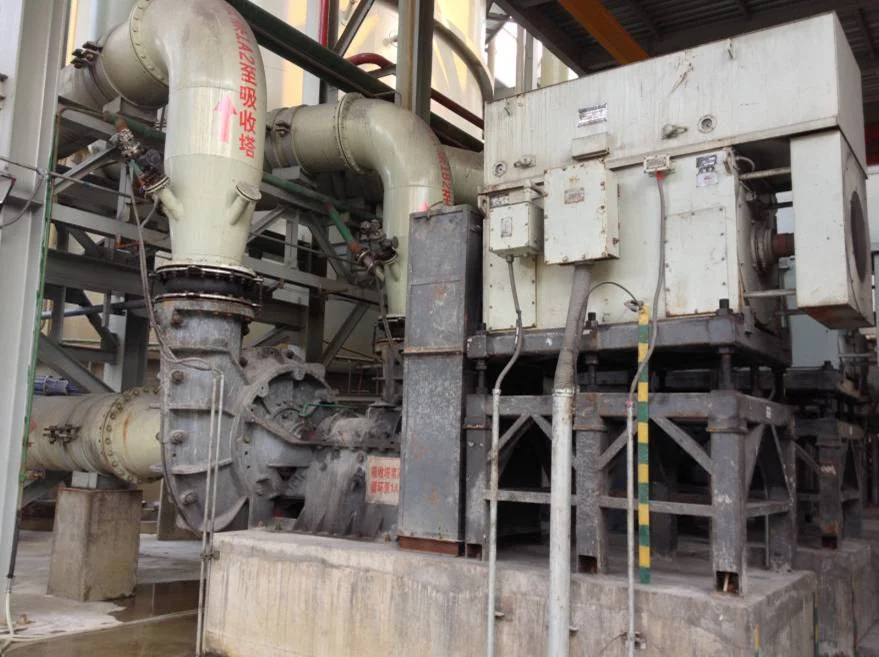
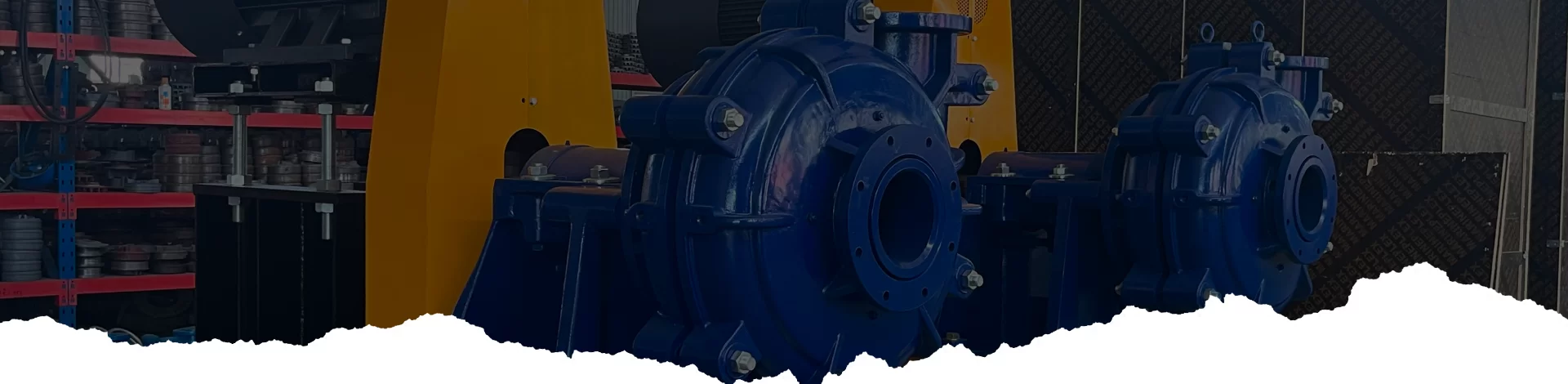
Replacing a worn-out impeller is often the most critical maintenance task in a slurry pumping system, yet many operators overlook the precise relationship between material hardness and fluid velocity. When the wrong impeller geometry or alloy is selected, the resulting erosion doesn't just reduce efficiency—it accelerates the failure of the entire pump casing.
In high-abrasion environments like mining and mineral processing, the choice of a slurry pump impeller supplier becomes a strategic decision involving a trade-off between initial cost and Total Cost of Ownership (TCO). The shift toward high-chrome alloys and advanced polyurethane coatings is reflecting a broader industry drive toward reducing unplanned downtime.
This technical analysis examines the critical variables that influence impeller longevity, the material science behind wear resistance, and a framework for auditing your current supplier's technical capabilities to ensure operational stability.


Impeller wear in slurry pumps is not a uniform process; it is primarily driven by the kinetic energy of particles striking the surface. High-velocity zones, typically at the impeller tip and the leading edge of the vanes, experience the most aggressive "scouring" effect. This process, known as abrasive wear, occurs when hard particles cut through the material matrix.
When selecting a slurry pump impeller supplier, it is essential to understand that erosion rates increase exponentially with flow velocity. A small increase in RPM can lead to a disproportionate decrease in component life if the material's hardness is insufficient to resist the impact energy of the specific mineral slurry being transported.
The choice of material is the first line of defense against system failure. For heavy-duty applications, High Chrome alloys (such as 27% Cr) are the industry standard due to their high hardness and resistance to abrasion. These materials form a hard carbide structure that resists the cutting action of sand and gravel, making them ideal for the ZGB Heavy Duty Slurry Pump series.
However, not all slurries are abrasive. In applications where the medium is corrosive or contains softer, rubber-like particles, Natural Rubber or Polyurethane options are often more effective. These elastomers absorb the impact of particles rather than resisting them through hardness, which can significantly extend the life of SHR Rubber Lined Slurry Pumps in specific chemical or tailings environments.
Stainless steel remains a vital option for low-abrasion but high-corrosion environments, providing a balance between structural integrity and chemical resistance. The decision matrix depends entirely on the particle size distribution (PSD) and the chemical pH of the fluid, necessitating a deep technical dialogue with the manufacturer.
Beyond materials, the geometric design of the impeller determines the efficiency of the energy transfer from the motor to the fluid. An improperly designed vane angle can create turbulence and "dead zones" where slurry accumulates, leading to localized corrosion and erratic flow patterns.
The most efficient slurry impellers balance hydraulic performance with sacrificial wear volume. Increasing the thickness of the vanes may extend the life of the part, but it often reduces the flow capacity and increases the power requirement of the pump.
Modern design focuses on optimizing the "clearance" between the impeller and the wear plate. For example, in ZJ High Pressure Slurry Pumps, maintaining a tight but sustainable clearance is key to preventing backflow, which would otherwise cause internal recirculation and accelerate the erosion of the impeller's rear shroud.
Comparing different impeller materials requires a standardized index rather than simple "hours of service." A relative wear index helps operators predict replacement cycles based on the slurry density and particle hardness. For instance, the difference between a standard alloy and a high-chrome alloy is most evident when processing tailings with a high quartz content.
By plotting material resistance against typical industrial slurry types, we can visualize why certain materials are preferred for specific tasks. This qualitative assessment allows a procurement manager to justify a higher upfront investment in premium materials to reduce long-term maintenance costs.
In a typical mineral processing plant, the Mill Underflow pump represents one of the highest-wear points in the circuit. Using an MD(R) Mill Underflow Pump with a high-chrome impeller ensures that the pump can handle the dense, abrasive discharge from the grinding mills without requiring weekly shutdowns. In this scenario, the impeller's ability to maintain its hydraulic profile despite surface wear is the primary KPI.
Conversely, in a dredging operation involving sand and gravel, an S(H)G Sand Gravel Pump is utilized. Here, the impeller must be designed not just for wear resistance, but for the passage of larger solids. A supplier who understands the difference between "abrasion" (small particles) and "impact" (large rocks) will specify a different vane thickness and material grade to prevent structural cracking.
The industry is moving beyond monolithic material choices toward composite and coated solutions. Ceramic coatings are becoming increasingly popular for shaft sleeves and impeller hubs to prevent "grooving" and premature seal failure. For instance, Ceramic Coated (J04, J05) Shaft Sleeves offer a significant jump in hardness compared to standard alloys.
For the most extreme environments, optional Tungsten Carbide (J32) Shaft Sleeves are deployed. These provide an almost impenetrable barrier against abrasive particles, though they require precise installation to avoid brittle failure. This trend toward "zonal protection"—using different materials for different parts of the pump—allows for a more cost-effective approach to longevity.
Furthermore, the integration of computational fluid dynamics (CFD) in the design phase allows suppliers to simulate wear patterns before a single piece of metal is cast. This means impellers can be reinforced in high-wear areas while remaining lightweight in low-impact zones, optimizing both performance and material usage.
Selecting a slurry pump impeller supplier is not about finding the lowest price per unit, but about assessing the supplier's ability to match materials to your specific application. A reliable supplier should ask for your slurry's specific gravity, the percentage of solids, and the Mohs hardness of the particles before recommending a product.
Technical capability is often revealed in the casting process. High-chrome impellers require precise heat treatment to ensure that the chromium carbides are evenly distributed. Without this, the impeller may have "soft spots" that wear out rapidly, leading to unbalanced rotation and bearing failure.
The following framework provides a comparative look at how different material strategies align with specific operational requirements, helping you determine the right path for your pump maintenance strategy.
| Slurry Type | Primary Wear Mode | Recommended Material | Expected Outcome |
|---|---|---|---|
| Fine Tailings | Surface Erosion | Natural Rubber | High Elasticity / Low Wear |
| Quartz Sand | Cutting Abrasion | High Chrome Alloy | Maximum Hardness / Long Life |
| Corrosive Sludge | Chemical Attack | Stainless Steel | Corrosion Resistance / Stability |
| Coarse Gravel | High Impact | Polyurethane | Impact Absorption / Durability |
| Acidic Slurry | Pitting / Erosion | Rubber Lined | Chemical Shielding / Wear Resistance |
| Ultra-Abrasive | Severe Scouring | Tungsten Carbide | Extreme Longevity / High Cost |
High chrome impellers rely on extreme surface hardness to resist the cutting action of hard particles, making them ideal for mineral slurries. Rubber impellers work by absorbing the energy of the particles, which is more effective for finer, less abrasive particles or corrosive media. Choosing the wrong one can lead to failure in a matter of days; for example, high-chrome is poor for corrosive chemicals, while rubber will be shredded by coarse gravel.
Inspection frequency depends on the slurry's aggressiveness, but a quarterly audit is recommended for critical pumps. Key indicators include a drop in discharge pressure, increased vibration levels, or an increase in motor amperage. Using a predictive maintenance schedule allows you to replace the impeller before it wears down to the point of causing catastrophic damage to the pump casing or shaft.
Yes, as long as the impeller geometry remains identical to the original equipment manufacturer (OEM) specifications. Many operators upgrade from standard alloys to high-chrome or polyurethane to extend service life. However, it is critical to ensure that the new material does not significantly change the weight or balance of the impeller, as this could lead to bearing wear or shaft misalignment.
Clearance refers to the gap between the impeller and the wear plate. If this gap becomes too large due to wear, fluid recirculates from the discharge back to the suction side. This creates a high-velocity "whirlpool" of abrasive particles that rapidly erodes the impeller's rear and the casing. Maintaining proper clearance is essential for maintaining pump efficiency and preventing accelerated internal wear.
While premium impellers have a higher initial purchase price, they typically lower the Total Cost of Ownership (TCO). By extending the Mean Time Between Failures (MTBF), you reduce labor costs for replacements and, more importantly, eliminate the massive cost of unplanned production downtime. A high-chrome impeller that lasts twice as long as a cheap alloy version usually pays for itself within the first few months of operation.
Not necessarily. Ceramic coatings offer extreme hardness and are excellent for preventing localized wear (like on shaft sleeves), but they can be brittle. In environments with very large, heavy particles that cause high-impact shocks, a toughened alloy or a high-grade elastomer may be superior because ceramics can crack under heavy impact. The choice depends on whether the wear is caused by "scouring" (fine particles) or "impact" (large rocks).
The efficiency of a slurry transport system is fundamentally limited by the durability of its impeller. Moving beyond a simple "part replacement" mindset to a "material science" approach allows operators to significantly stabilize their production cycles. Whether utilizing the heavy-duty capabilities of a ZGB series pump or the specialized resistance of ceramic coatings, the goal remains the same: maximizing the interval between maintenance events.
Ultimately, the value of a professional slurry pump impeller supplier lies in their ability to diagnose the specific wear mechanism of your application and provide a tailored material solution. By focusing on the intersection of geometry, metallurgy, and flow dynamics, industrial plants can transform their pumping systems from a maintenance liability into a reliable operational asset.

bscribe newslette