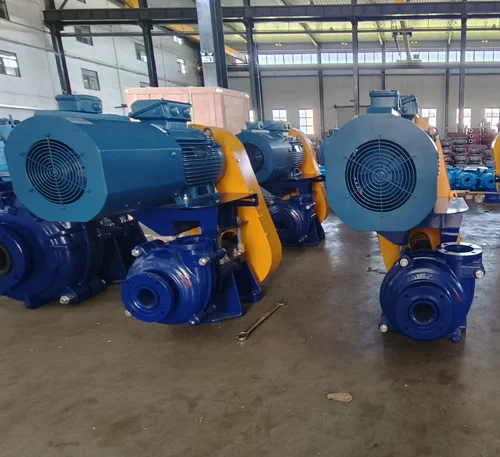
When managing mill underflow in high-density mining operations, the primary challenge is balancing hydraulic throughput with extreme abrasion resistance. Many operators struggle with frequent downtime caused by impeller wear and clogging, which directly impacts the overall productivity of the mineral processing circuit. Finding a high quality slurry pump from China that can handle these severe conditions requires a deep understanding of material science and hydraulic design.
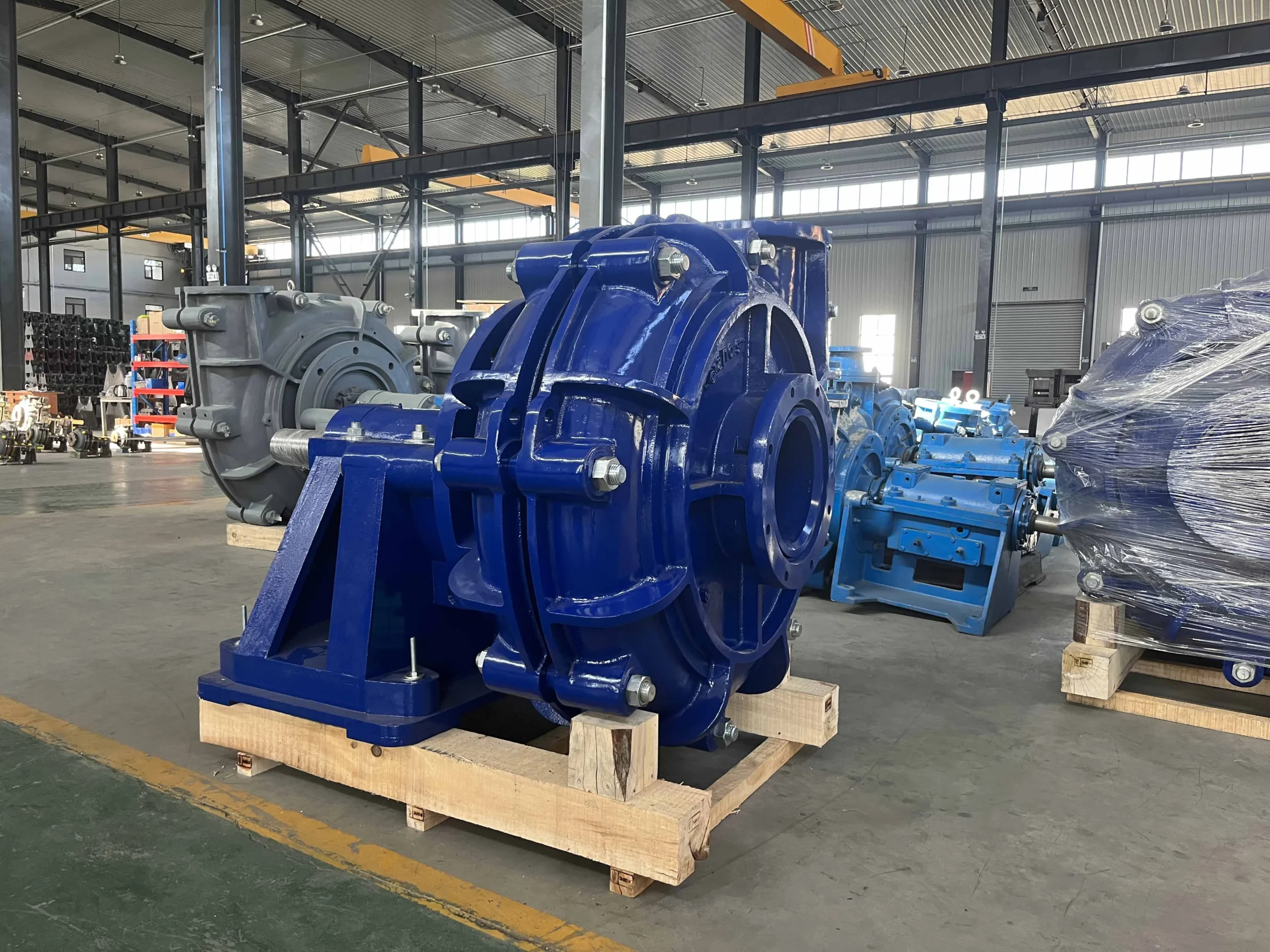
The efficiency of transporting thick, abrasive slurries depends on the synergy between pump geometry and liner materials. In the context of heavy-duty applications, the choice between high chrome alloys and specialized elastomers determines the total cost of ownership. This is where specialized equipment like the MD(R) Mill Underflow Pump becomes critical, as it is specifically engineered to mitigate the high-velocity impact of abrasive particles.
By analyzing the technical specifications of modern pumping solutions, this guide explores how to optimize slurry transport and reduce operational bottlenecks. Whether you are upgrading an existing plant or designing a new facility, understanding the performance metrics of a high quality slurry pump from China will help ensure long-term structural integrity and maximized flow rates.


Mill underflow pumping is one of the most demanding tasks in mineral processing, involving the movement of high-density slurries with significant solids concentrations. Unlike standard water pumping, these systems must handle non-Newtonian fluids where viscosity and particle size vary constantly. The goal is to maintain a steady flow from the mill discharge to the next processing stage without allowing solids to settle or cause catastrophic wear to the pump internals.
To achieve this, a high quality slurry pump from China typically employs a heavy-duty casing and a robust impeller designed for low-speed operation. By reducing the peripheral velocity of the impeller, the pump minimizes the kinetic energy of the abrasive particles hitting the walls, which exponentially extends the life of the liners. This mechanical approach ensures that the pump can transport larger particles without risking immediate blockage.
The longevity of a slurry pump is primarily dictated by the interaction between the fluid's chemical properties and the pump's metallurgy. Particle angularity and hardness are the most critical variables; for instance, silica-rich slurries require hard alloy liners, while softer but more corrosive materials may benefit from polyurethane or natural rubber. Proper selection of these materials prevents premature pitting and erosion.
Operating speed is another decisive factor. High-speed rotation increases turbulence and friction, leading to accelerated wear, especially at the impeller tips and the volute tongue. By utilizing large-diameter impellers that can move the required volume at lower RPMs, the pump maintains hydraulic efficiency while significantly reducing the rate of material loss.
Finally, the precision of the liner adjustment system plays a vital role. As liners wear down, the gap between the impeller and the throatbush increases, which can lead to internal recirculation and decreased efficiency. Systems that allow for simple, full-face side adjustment enable operators to maintain tight tolerances throughout the component's lifecycle.
In heavy-duty mill applications, the 150EE-MCU model demonstrates the advantage of combining low-speed operation with an open impeller design. This configuration is specifically tailored to handle the high density of mill underflow, ensuring that the pump does not become a bottleneck in the production line.
The use of a 4-vane large open impeller allows larger particles to pass through the internal passages without clogging, which directly reduces the frequency of emergency shutdowns and manual cleaning interventions.
Beyond particle handling, the reduced speed lowers the energy consumption per cubic meter of slurry moved. This creates a sustainable operational model where the cost of power is balanced against the extended lifespan of the hard alloy components, maximizing the return on investment for the plant owner.
Choosing the right liner material is a trade-off between hardness and elasticity. High-grade hard alloys are indispensable for high-impact, high-abrasion environments, whereas elastomer liners excel in applications with smaller particles and higher corrosion rates. The performance gap becomes evident when comparing traditional standard pumps to those engineered with specialized metallurgy.
Data indicates that pumps utilizing hard alloy impellers in mill underflow settings exhibit a significantly longer mean time between failures (MTBF) compared to standard high-chrome options. This reduction in maintenance frequency translates directly into higher plant availability and lower labor costs.
The versatility of heavy-duty pumps allows them to be deployed across various industrial sectors. In mining, they are essential for tailings disposal and mineral processing, where they move crushed ore and chemical residues. In the metallurgy industry, they handle slag and abrasive waste, ensuring that the facility remains clean and operational without frequent pipe blockages.
Additionally, these pumps are widely used in dredging and construction for transporting sand and gravel. The ability to choose between right and left vertical discharge positions allows engineers to fit these pumps into tight plant layouts, optimizing the workflow and reducing the amount of piping required for installation.
The industry is moving toward smarter maintenance systems where wear life prediction is based on real-time performance analytics. By monitoring flow rates and vibration, operators can predict exactly when a liner needs adjustment or replacement, moving from reactive to predictive maintenance.
Material science is also evolving, with the development of hybrid liners that combine the hardness of ceramics with the impact resistance of elastomers. These materials aim to provide the "best of both worlds," allowing a single pump to handle diverse slurry characteristics without needing a complete liner change-out.
Furthermore, the integration of modular wet-end designs, such as the one-piece change-out system, is becoming the standard. This evolution focuses on minimizing the "wrench time" required for maintenance, ensuring that the mill can return to operation as quickly as possible after a component failure.
The most significant challenge in mill underflow is the unplanned downtime caused by pump failure. To combat this, modern designs incorporate impeller release collars and simplified adjustment mechanisms. These features allow maintenance teams to swap out worn parts without dismantling the entire pump housing, drastically reducing the risk of installation errors.
Another critical area is bearing protection. In abrasive environments, slurry leakage into the bearing box can lead to immediate failure. Heavy-duty roller bearings housed in removable boxes, combined with large diameter shafts and short overhangs, provide the structural stability needed to resist the radial loads generated by high-density slurry.
Ultimately, the total cost of ownership is reduced when the initial investment in a high-quality pump is balanced against the operational savings from reduced downtime and energy efficiency. The following table compares standard slurry pumps with the specialized 150EE-MCU design.
| Metric | Standard Pump | 150EE-MCU Pump | Operational Impact |
|---|---|---|---|
| Component Life | Frequent Replace | Extended Alloy | Lower OpEx |
| Maintenance Time | Manual Dismantle | Fast Change-out | Higher Uptime |
| Hydraulic Eff. | Moderate | Optimized Low-Speed | Lower Energy |
| Particle Tolerance | Prone to Clog | High (Open Impeller) | Stable Flow |
| Adjustment Type | Complex | Full Face Side | Precise Gap |
| Total Lifecycle Cost | High Long-term | Reduced Cost | Better ROI |
It combines low-speed, large-diameter impellers with abrasion-resistant hard alloys, allowing it to handle the high density and abrasive nature of mill underflow without excessive wear. This design ensures that the pump can maintain flow rates even when dealing with heavy solids concentrations.
It significantly reduces the time required to replace worn components, minimizing mill downtime and reducing the labor costs associated with maintenance. Instead of a full dismantle, the modular design allows for rapid swaps, ensuring the production line is back online faster.
Yes, the pump features interchangeable liners, allowing you to choose between metal or elastomer materials depending on the specific abrasion characteristics of your slurry. This flexibility ensures the pump can be optimized for either high-impact or high-corrosion environments.
The large open internal passages of the 4-vane impeller allow larger particles to pass through more easily, preventing blockages and improving flow stability. This is critical in mill underflow where particle size can be inconsistent.
Yes, the pump is available with reverse rotation options, supporting both standard right vertical and optional left vertical discharge positions. This provides maximum plant design flexibility to fit existing piping layouts.
Bearing life is extended through the use of a large diameter shaft with a minimal overhang and heavy-duty roller bearings housed in a removable bearing box. This design reduces the radial stress on the bearings and prevents contamination from the slurry.
Optimizing mill underflow transport requires a strategic shift from focusing on initial purchase price to evaluating the total lifecycle cost. By prioritizing low-speed hydraulic designs and advanced abrasion-resistant materials, operators can drastically reduce unplanned downtime and energy consumption. A high quality slurry pump from China, engineered for these specific stresses, ensures that the mill circuit remains efficient and reliable.
If you are looking to enhance your plant's throughput or reduce maintenance overhead, evaluating your current pump's wear rate and hydraulic efficiency is the first step. For professional guidance on selecting the right pump configuration or spare parts, visit www.qualityslurrypump.com to explore customized industrial pumping solutions.

bscribe newslette