Jun. 25, 2026
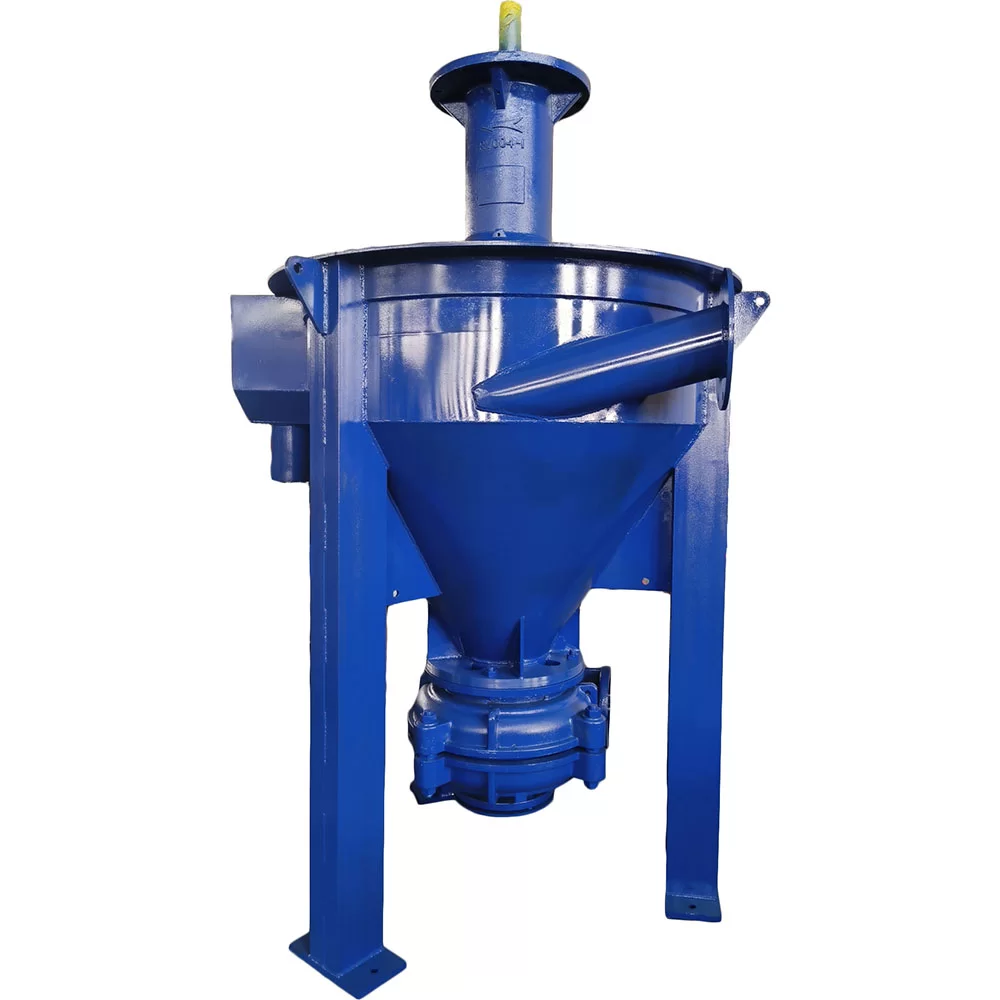
Thickener underflow represents one of the most challenging slurry pumping applications in mineral processing plants. After sedimentation, the underflow slurry contains a high percentage of solids, often with abrasive particles from copper, gold, iron ore, coal, and other minerals.
A reliable slurry pump for thickener underflow must provide:
High wear resistance
Stable hydraulic performance
Ability to handle high-density slurry
Easy maintenance during continuous operation
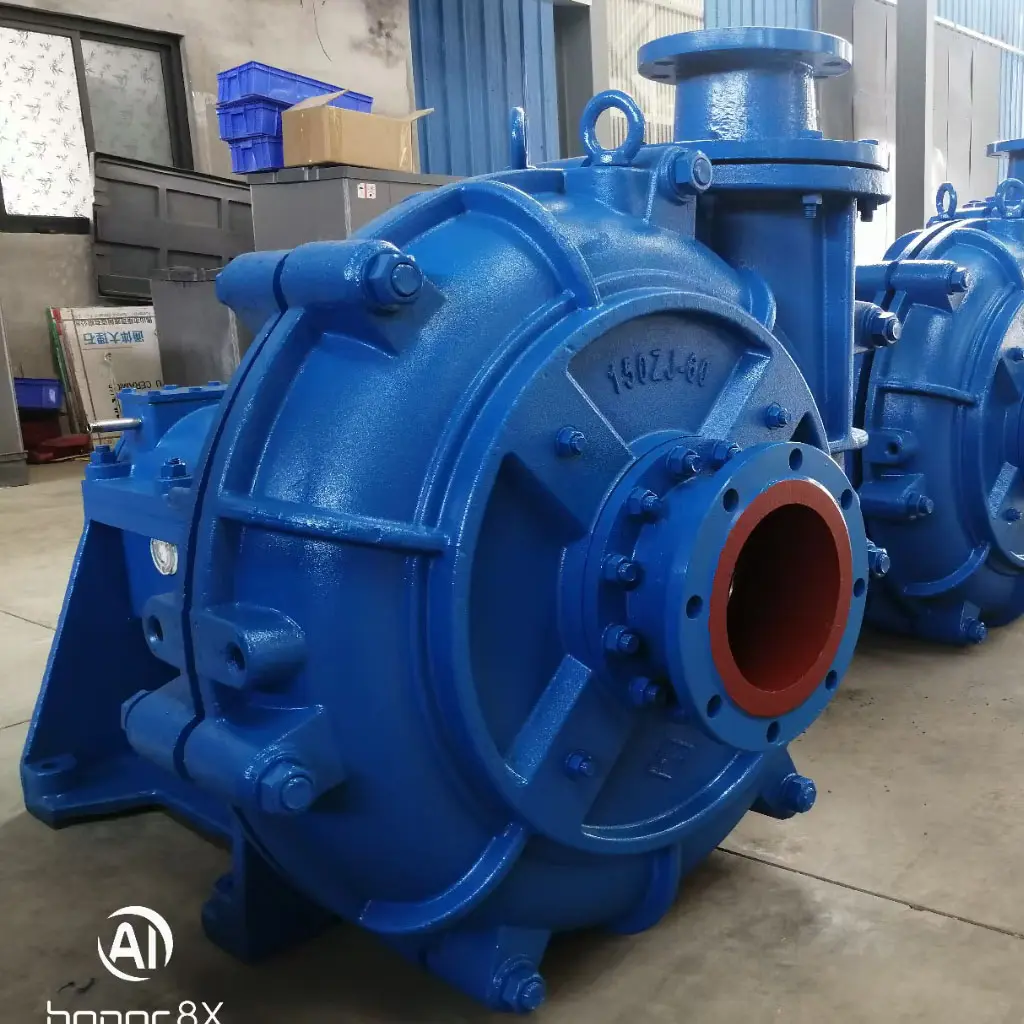
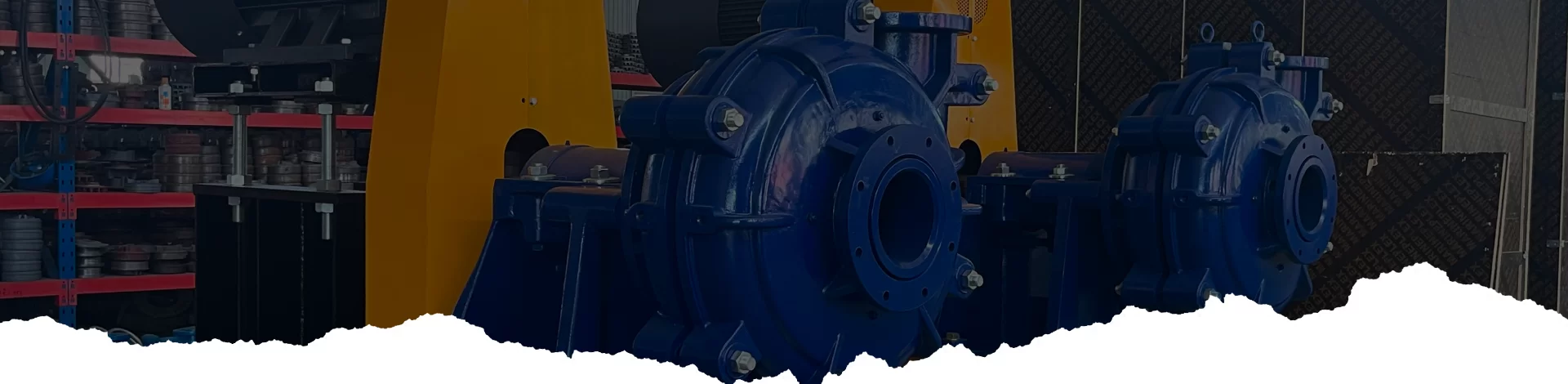
Heavy-duty horizontal centrifugal slurry pumps are widely used to transfer thickener underflow to filtration systems, tailings facilities, or downstream processing units.
A professional slurry pump for thickener underflow requires a robust mechanical structure designed for continuous operation.
Key design features include:
1. Wear-resistant wet end components
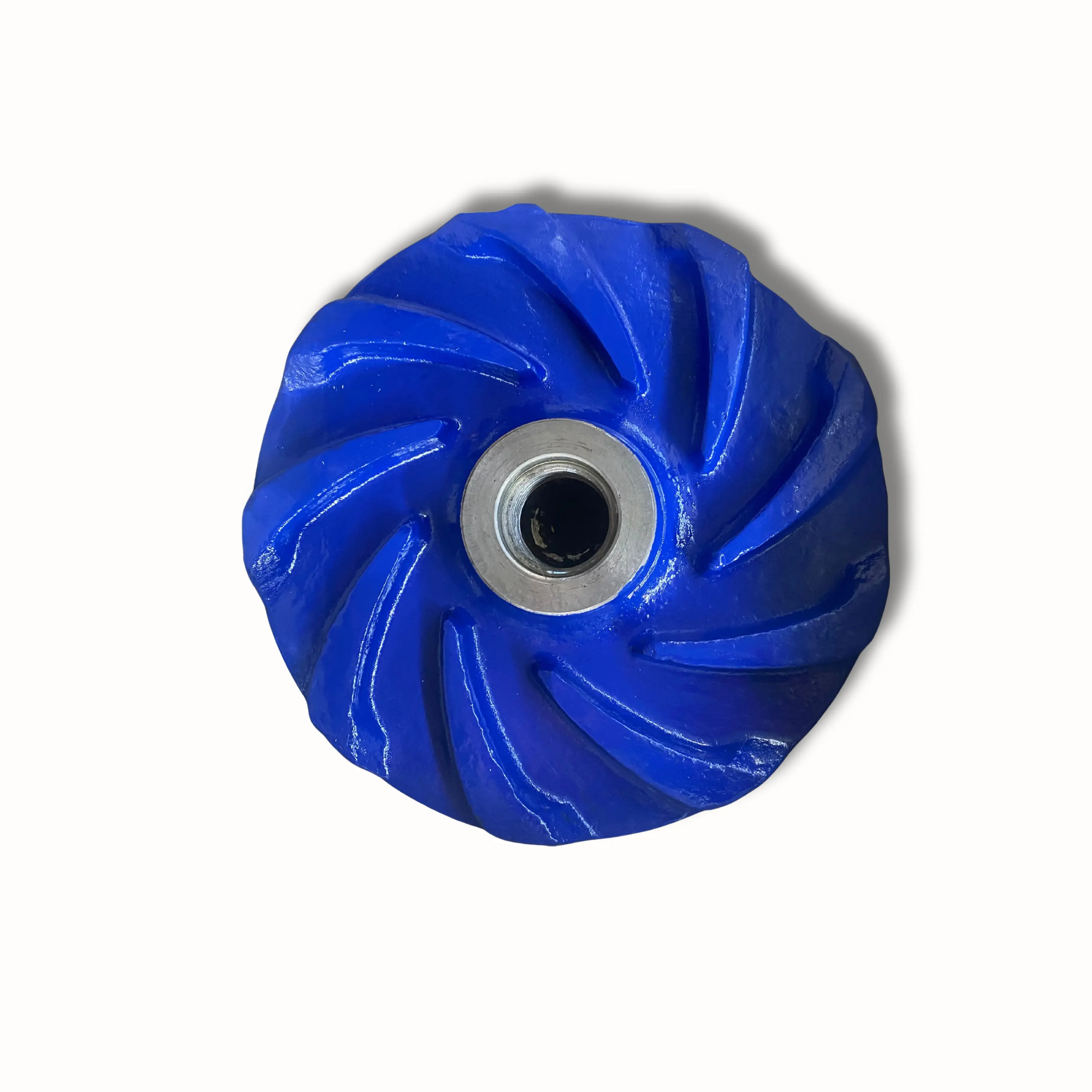
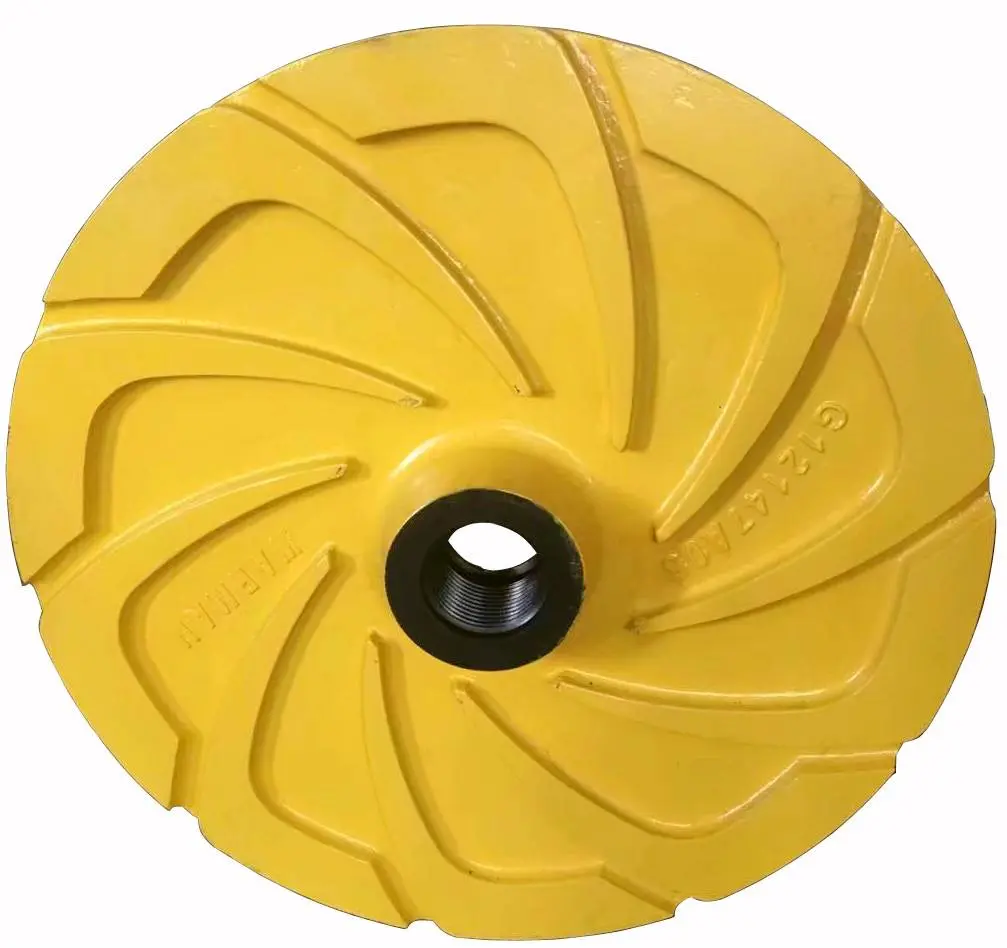
The impeller, volute liner, and throat bush are manufactured from high chromium alloy or rubber materials depending on slurry characteristics.
2. Back pull-out maintenance design
The back pull-out structure allows the rotating assembly to be removed without disturbing the pipeline connection, reducing maintenance downtime.
3. Adjustable impeller clearance
The bearing assembly design enables adjustment of the impeller and liner gap, maintaining hydraulic efficiency throughout the wear cycle.
4. Multiple sealing options
Packing seal, expeller seal, and mechanical seal options are available for different operating conditions.
No two mining operations are identical, which is why flexibility is built into every slurry pump for thickener underflow. We offer a wide variety of metallic and elastomeric parts options to match the specific chemistry and abrasiveness of the slurry. Seal arrangements are equally customizable, with options including packing seals, expeller seals, and mechanical seals to prevent leakage of hazardous or abrasive fluids. Additionally, the discharge branch can be positioned at 45-degree intervals to suit any site installation layout.
Choosing the correct drive system is essential for managing the high torque required to move thickener underflow. Depending on the flow requirements and the density of the slurry, operators can choose from various drive configurations. While V-belt drives are common for standard applications, frequency conversion drives offer superior control over flow rates, allowing for precise management of the underflow density. The following table compares the most common drive options used in our slurry pump for thickener underflow systems.
While the slurry pump for thickener underflow is a specialist tool, its design allows for wide versatility across the mining plant. These pumps are equally effective for cyclone feed, mill discharge, and flotation processes. In some instances, they are deployed for mine drainage, tailing management, or even dredging settling lagoons and pumping drilling mud. This versatility ensures that a single spare parts inventory can support multiple critical areas of the plant, reducing operational overhead.

For small and medium mineral processing applications, the 1.5/1B-AH slurry pump provides reliable performance for abrasive underflow slurry transfer.
Investing in a high-quality slurry pump for thickener underflow is a strategic decision that directly impacts the profitability and stability of a mineral processing plant. By combining wear-resistant alloys with flexible drive options and an adjustable design, these pumps minimize unplanned downtime and lower the total cost of ownership. Whether you are dealing with extreme density or highly abrasive minerals, choosing a pump engineered for the toughest conditions ensures your operation remains efficient and sustainable.
Heavy-duty horizontal centrifugal slurry pumps with wear-resistant wet parts are commonly selected for thickener underflow applications because they can handle high solid concentration and abrasive particles.
The frequency of adjustment depends on the abrasiveness of the material being pumped. However, as the impeller and liner wear down, the gap between them increases, which can lead to a drop in pump efficiency and head pressure. Our pumps feature a standard impeller adjustment mechanism that allows maintenance teams to easily close this gap without removing the entire pump, ensuring consistent performance over time.
High chrome alloy is typically used for highly abrasive mineral slurry, while rubber liners may be suitable for certain applications with fine particles and lower impact conditions.
Standard centrifugal pumps are designed for clean liquids, while slurry pumps use reinforced casing structures and wear-resistant materials to handle abrasive solid particles.

Sep 28,26
Guide to Choosing a Reliable China slurry pump manufacturer

Jun 22,26
Slurry Pump for Cement Plant: Heavy Duty Solution for Abrasive Material Handling
Mar 11,26
OEM Slurry Pump Bearing Assembly Factory Expertise for Optimal Performance
Dec 05,25
OEM Heavy Duty Slurry Pump Supplier | Quality & Custom Solutions
After closely working in the industrial equipment sector for over a decade, I’ve developed a kind of sixth sense about what makes a decent slurry pump and, more importantly, a reliable supplier. Slurry pumps aren’t just off-the-shelf plumbing – they have to endure some of the harshest conditions in mining, dredging, and mineral processing operations. It’s frankly a specialized market, and getting your OEM heavy duty slurry pump supplier right can save you headache, downtime, and frankly, a small fortune.
Mar 23,26
Why Slurry Pump Efficiency Is Generally Lower Than That of Clear Water Pumps
Slurry pumps are essential equipment for transporting solid-liquid mixtures in heavy industries such as mining, metallurgy, electric power and dredging. However, their efficiency is generally lower than that of clear water pumps—with clear water pumps usually reaching 75%~90% and slurry pumps around 60%~75% or even lower. This article elaborates on the key factors leading to the efficiency gap, including differences in transport medium characteristics, structural design features and wear factors, providing a clear understanding of the performance differences between the two types of pumps.

Aug 07,26
High Performance Cast Iron Base for Industrial Dredge Pump
bscribe newslette