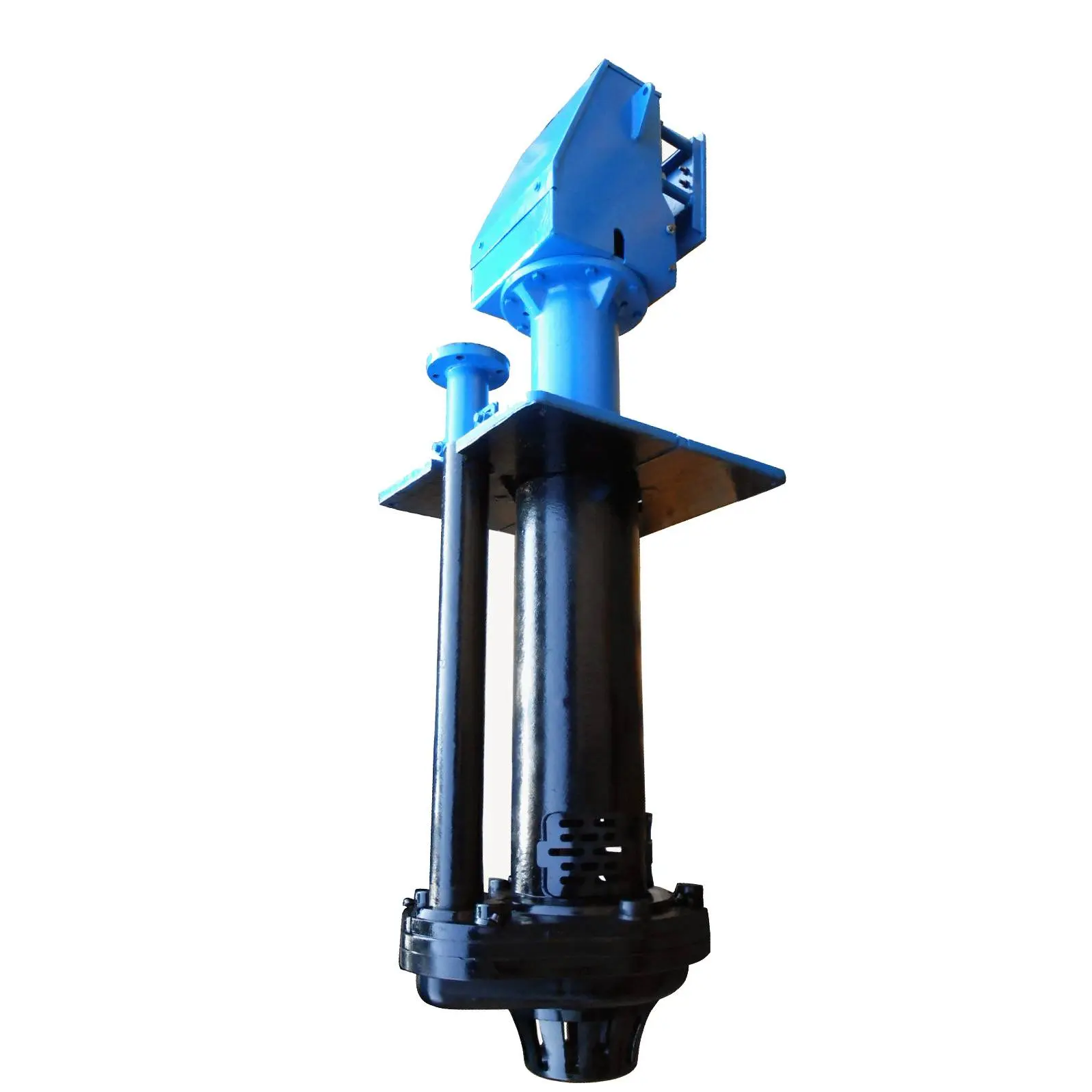
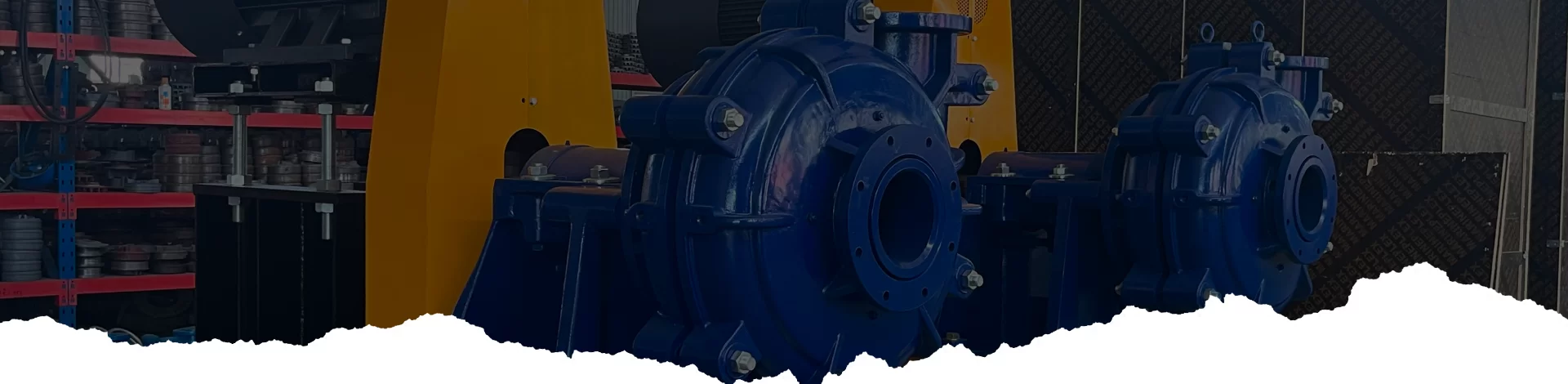
Transporting abrasive fluids remains one of the most challenging aspects of mineral processing and chemical engineering. Slurry pumps are specialized machines designed to move mixtures of solids and liquids, where the solidsranging from mine tailings to chemical precipitatesact as aggressive agents that erode internal components. Selecting the right equipment requires a deep understanding of the fluids viscosity, particle size, and chemical composition to prevent premature failure and operational downtime. For industries such as mining, dredging, and metallurgy, off-the-shelf solutions often fail to address specific site conditions or unique material properties. This is where the expertise of a custom slurry pump manufacturer becomes essential.
In the demanding environment of industrial mineral processing, the efficiency of fluid transport depends heavily on the integrity of every single component. A slurry pump coupling serves as the critical mechanical link that transmits power from the driver to the pump shaft, ensuring that the energy required to move abrasive materials is delivered smoothly and consistently. Across global mining and construction sectors, the failure of a coupling can lead to catastrophic downtime and expensive repairs. Understanding the nuances of how a slurry pump coupling manages misalignment and vibration is essential for engineers looking to maximize the lifespan of their equipment
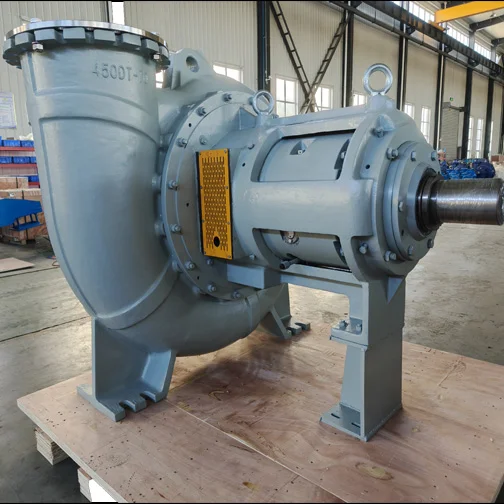
Slurry pump for power plant desulfurization is a critical component in modern environmental control systems, specifically designed to handle the abrasive and corrosive slurries generated during flue gas desulfurization (FGD) processes. These pumps are instrumental in reducing sulfur dioxide emissions from coal-fired power plants, contributing significantly to improved air quality and mitigating the effects of acid rain. Understanding their functionality, maintenance, and selection criteria is essential for power plant operators and environmental engineers alike. The increasing stringency of environmental regulations globally necessitates the efficient and reliable operation of FGD systems, placing a heightened demand for durable and high-performing slurry pumps. Selecting the appropriate slurry pump for power plant desulfurization isn’t simply a matter of flow rate and head; it requires a comprehensive assessment of the slurry characteristics, operating conditions, and long-term cost-effectiveness.
If you need a reliable pump manufacturer to support your project, consider key factors to ensure you collaborate with a company capable of providing robust, efficient, and customized slurry pump solutions.
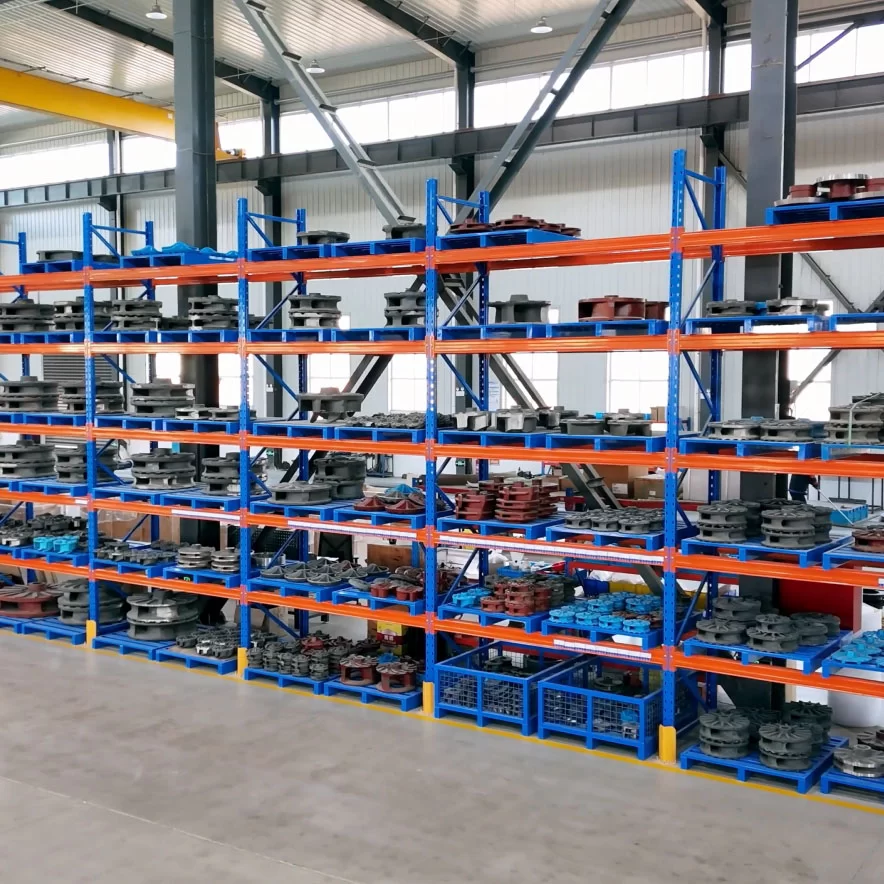
Having spent years around industrial equipment — slurry pumps included — I’ve learned there’s something oddly satisfying about machines built tough enough to literally move mud and rocks for a living. When we talk about a China heavy duty slurry pump manufacturer, we’re diving into a specialized niche, but one that carries real weight in sectors like mining, dredging, and power plants.