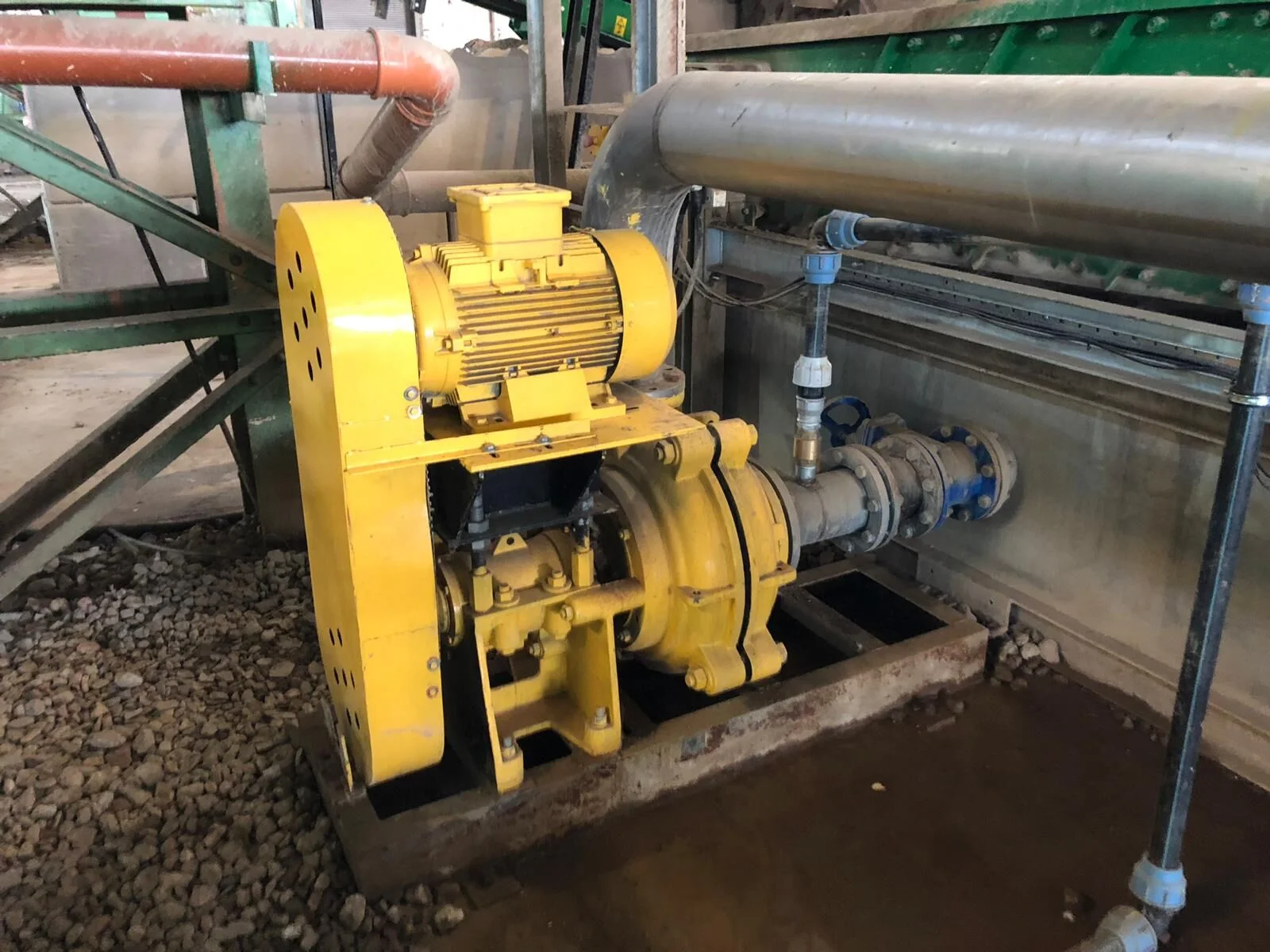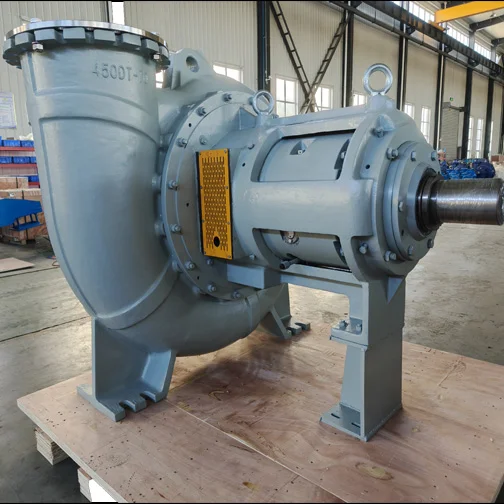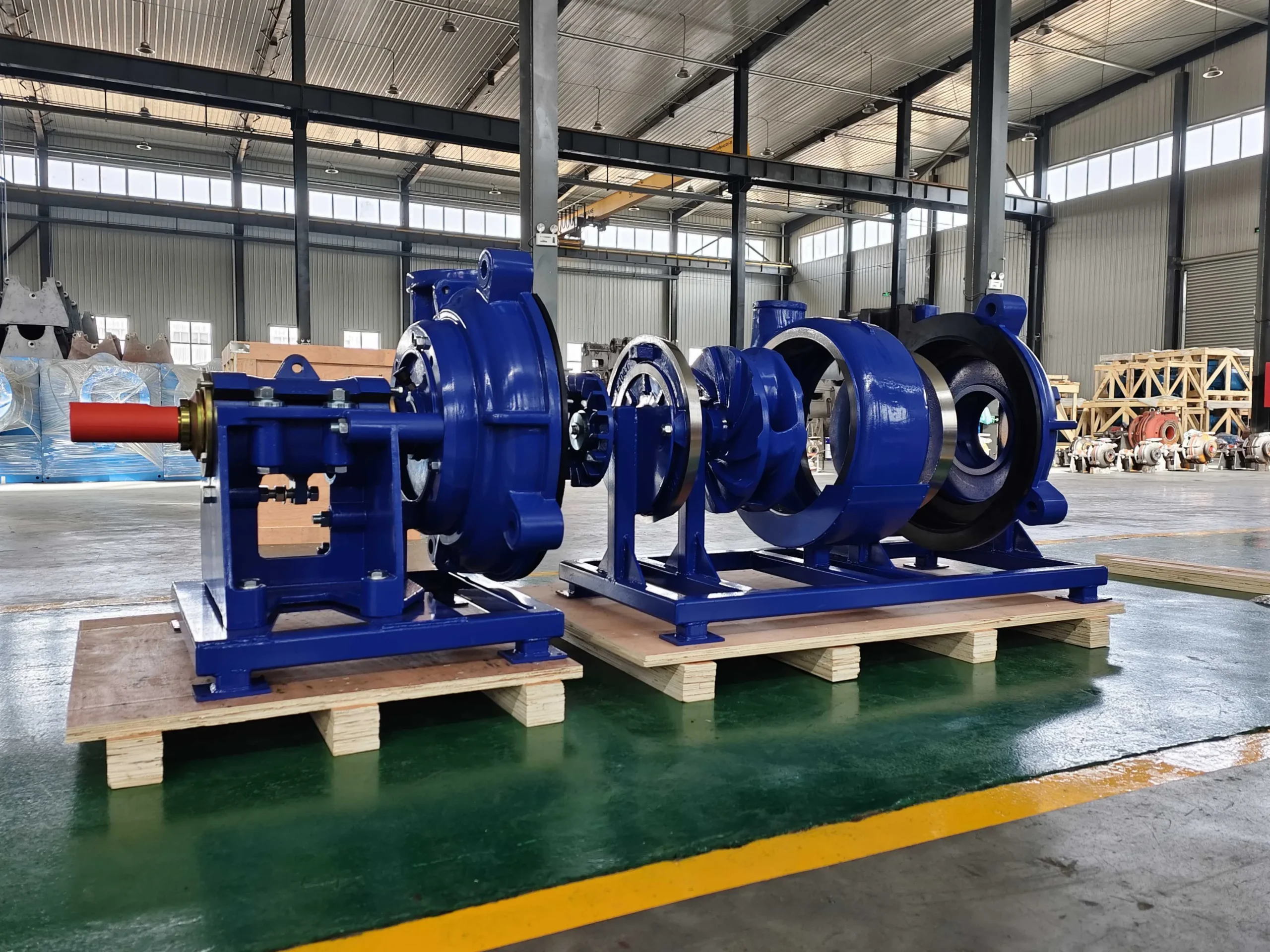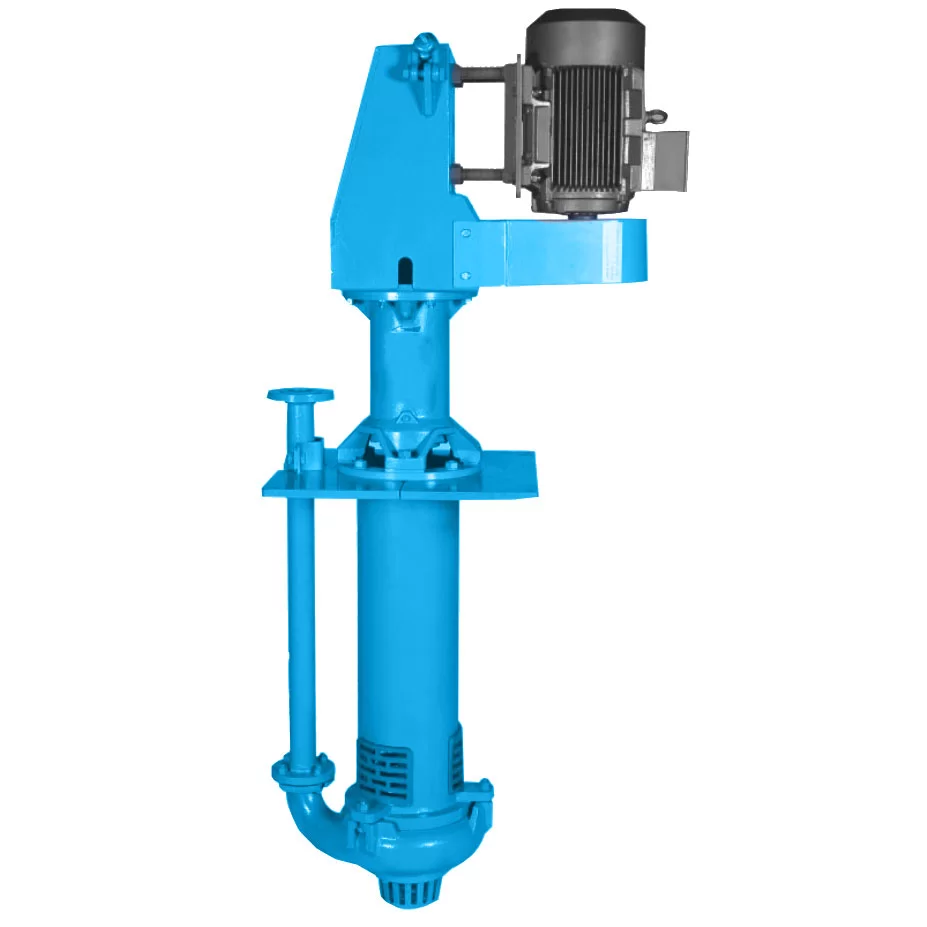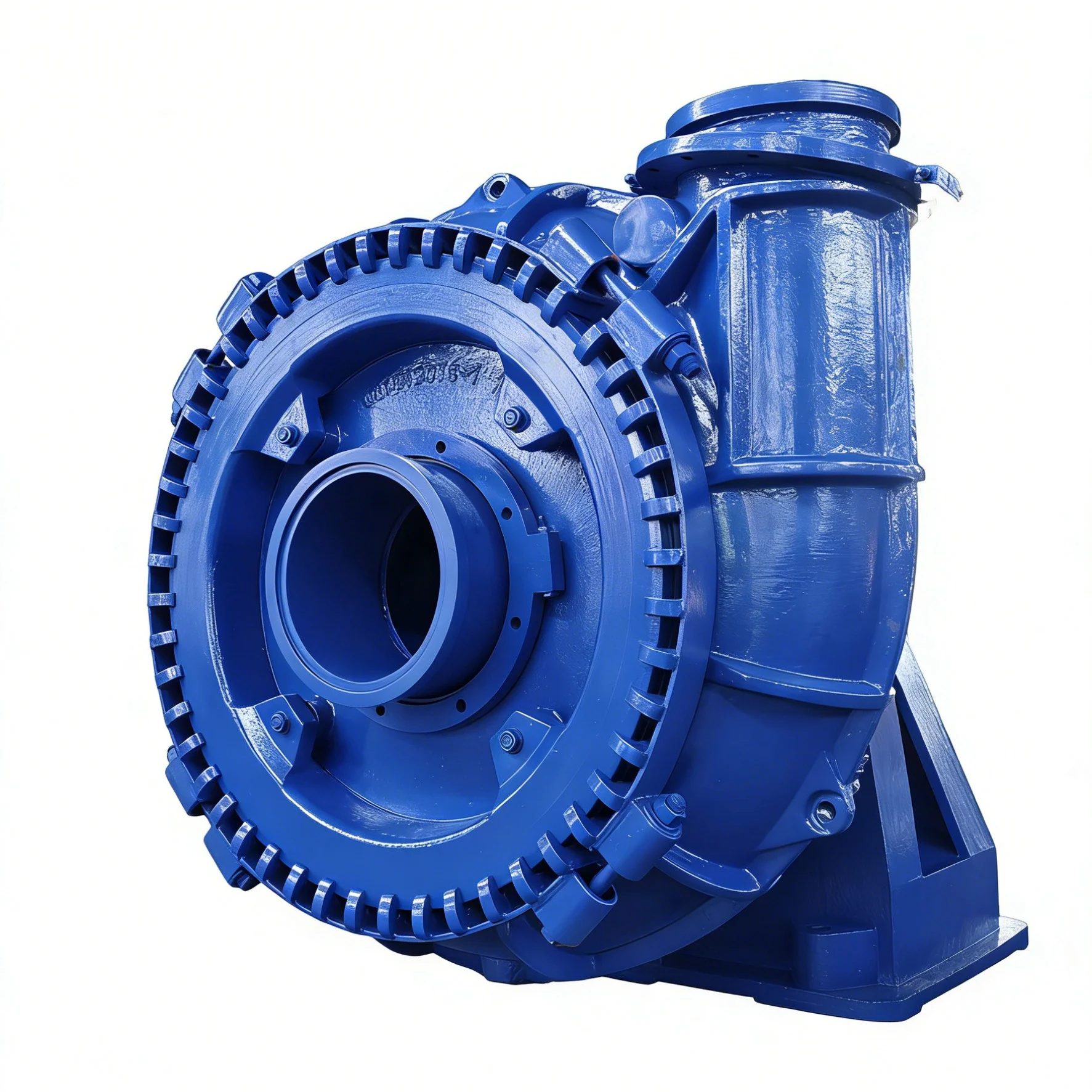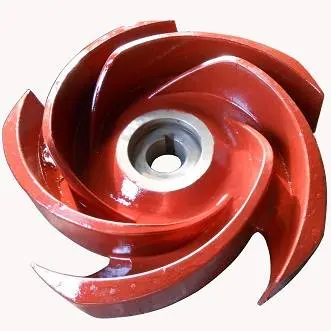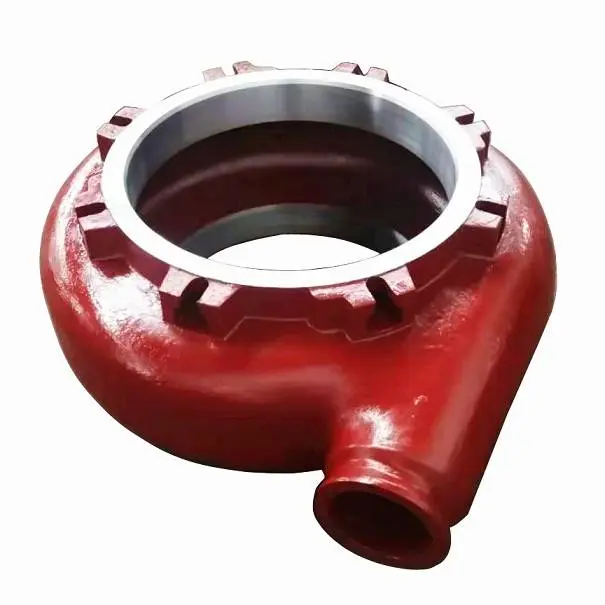
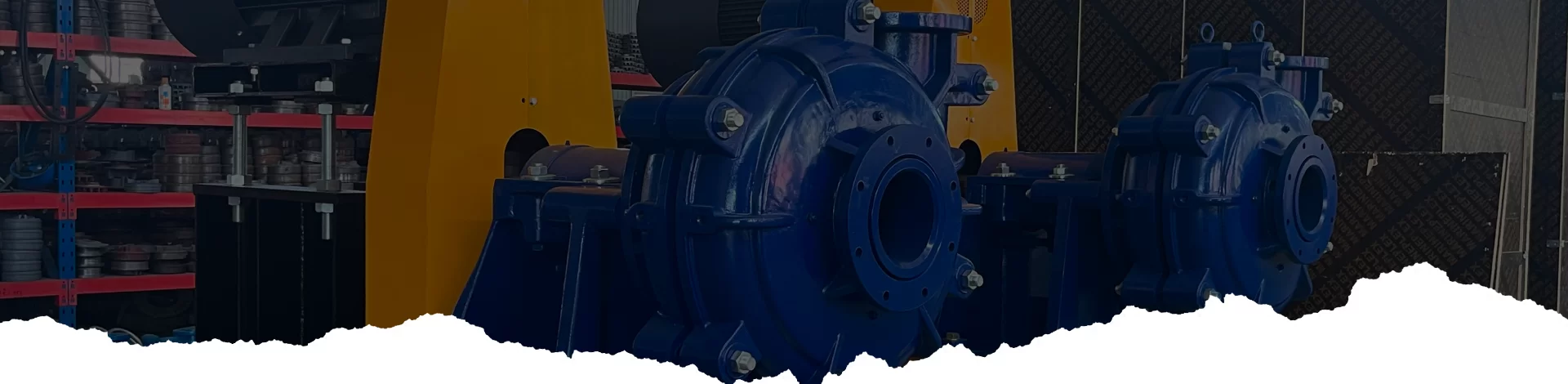
In the demanding environments of mining, dredging, and industrial wastewater management, the efficiency of fluid transport often hinges on the reliability of the sump slurry pump . These specialized machines are engineered to handle the most abrasive and corrosive mixtures, ensuring that production lines remain operational and sumps do not overflow during critical operations. By integrating advanced metallurgy with hydraulic precision, these pumps transform a potential operational bottleneck into a streamlined process of waste and material removal. Across the globe, the transition toward more sustainable mining and industrial practices has placed a premium on equipment that minimizes downtime and energy consumption.
Slurry pump for power plant desulfurization is a critical component in modern environmental control systems, specifically designed to handle the abrasive and corrosive slurries generated during flue gas desulfurization (FGD) processes. These pumps are instrumental in reducing sulfur dioxide emissions from coal-fired power plants, contributing significantly to improved air quality and mitigating the effects of acid rain. Understanding their functionality, maintenance, and selection criteria is essential for power plant operators and environmental engineers alike. The increasing stringency of environmental regulations globally necessitates the efficient and reliable operation of FGD systems, placing a heightened demand for durable and high-performing slurry pumps. Selecting the appropriate slurry pump for power plant desulfurization isn’t simply a matter of flow rate and head; it requires a comprehensive assessment of the slurry characteristics, operating conditions, and long-term cost-effectiveness.
Slurry pump sealing types are a critical, often overlooked, component in industries ranging from mining and wastewater treatment to chemical processing and oil sands. A failure in a slurry pump seal isn’t just downtime; it's often a cascading series of problems – environmental hazards, lost production, and hefty repair costs. We’ve all seen it on site: pumps grinding to a halt, needing emergency tear-downs, and the whole operation stalled because a seal gave way. Understanding the different slurry pump sealing types, their applications, and the nuances of maintaining them is the difference between keeping things running smoothly and facing a constant battle against breakdowns. It’s the foundation of reliable, cost-effective operations. Globally, the demand for robust slurry handling solutions is surging. The UN estimates that global wastewater generation will increase by 50% by 2030, necessitating efficient and reliable pumping systems. The World Bank continues to invest heavily in infrastructure projects in developing nations, often involving abrasive slurries.
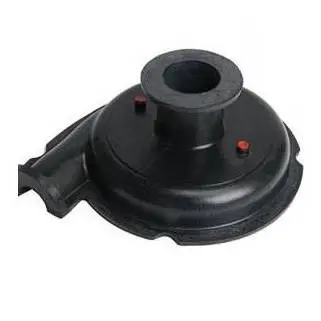
Answers to practical questions about the E4041A05 A05 Back Liner, including its material, role in a slurry pump, compatibility, applications, and replacement planning.