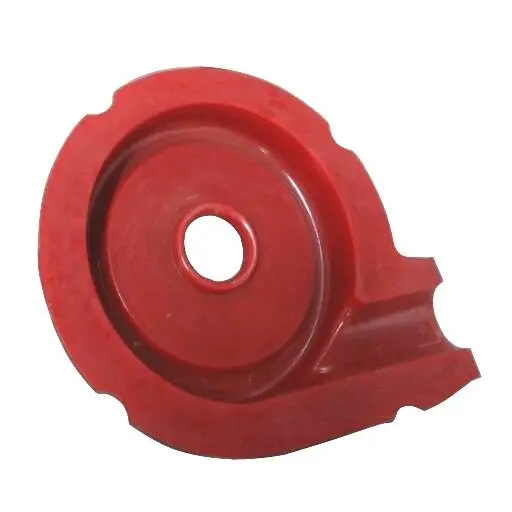
Erosive Resistant Polyurethane Slurry Pump Components: Wet end Parts – Inner Liners

Feb 05,26
Quality Slurry Pump Your Leading OEM Dredge Pump Factory Partner
Choosing the right dredge pump is critical for efficient and cost-effective dredging operations. As a leading OEM dredge pump factory,
Oct 31,25
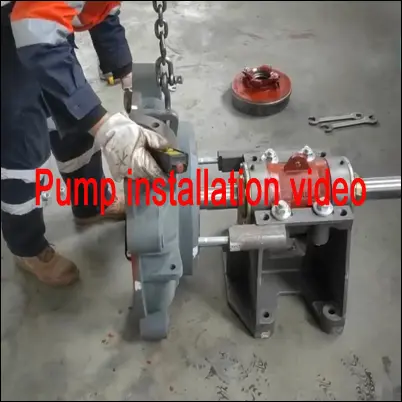
Slurry Pump Installation with a Video
Oct 31,25
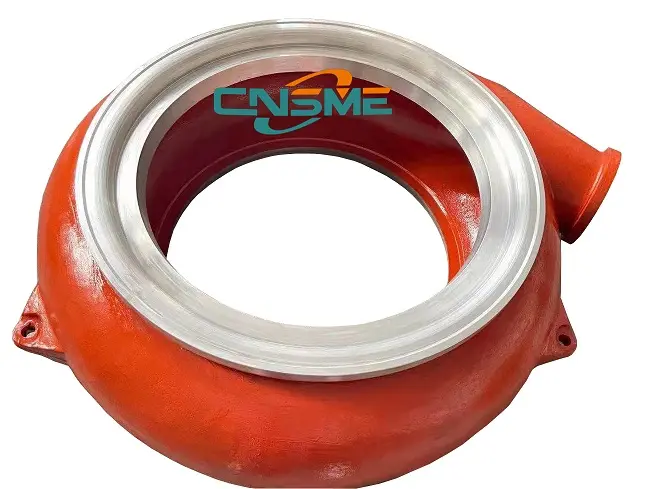
Common Faults & Solutions of Slurry Pumps
Oct 31,25
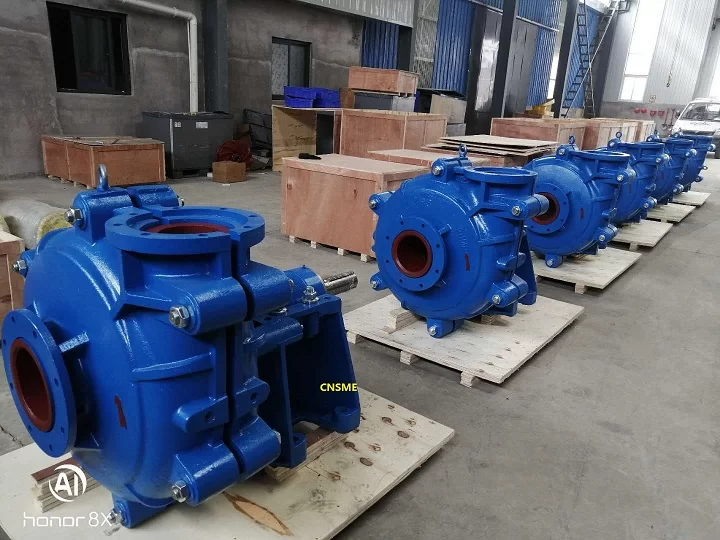
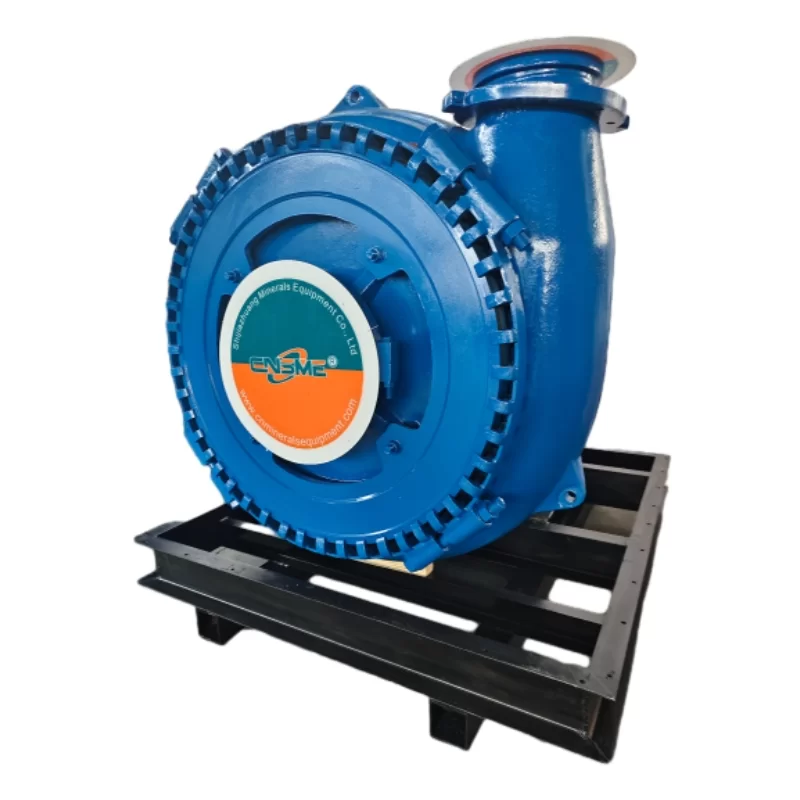
6×4 and 8×6 A05 High Chrome Slurry Pumps Ready for Shipment
Slurry Pumps Models: SH/150E (8×6); SH/100D (6×4). Material of Wet-end Spare Parts: High Chrome Alloy, ASTM A532. Shaft Seal: Expeller
Dec 07,25
OEM Rubber Lined Slurry Pump Factory: Global Importance & Industry Insights
At first glance, OEM rubber lined slurry pump factory might sound pretty niche—some specialized industrial term floating quietly in the world of heavy machinery. But if you pause to consider its role, it quickly becomes clear this is a lynchpin in industries ranging from mining to wastewater treatment, and that understanding what these factories produce—high-quality, durable slurry pumps lined with rubber—actually matters a lot. Why? Because they enable safer, more efficient handling of abrasive and corrosive materials, which frankly can be a real operational challenge globally, especially in harsh environments.

Sep 29,26
Industrial Slurry Pump Supplier from China for Mining and Power
bscribe newslette