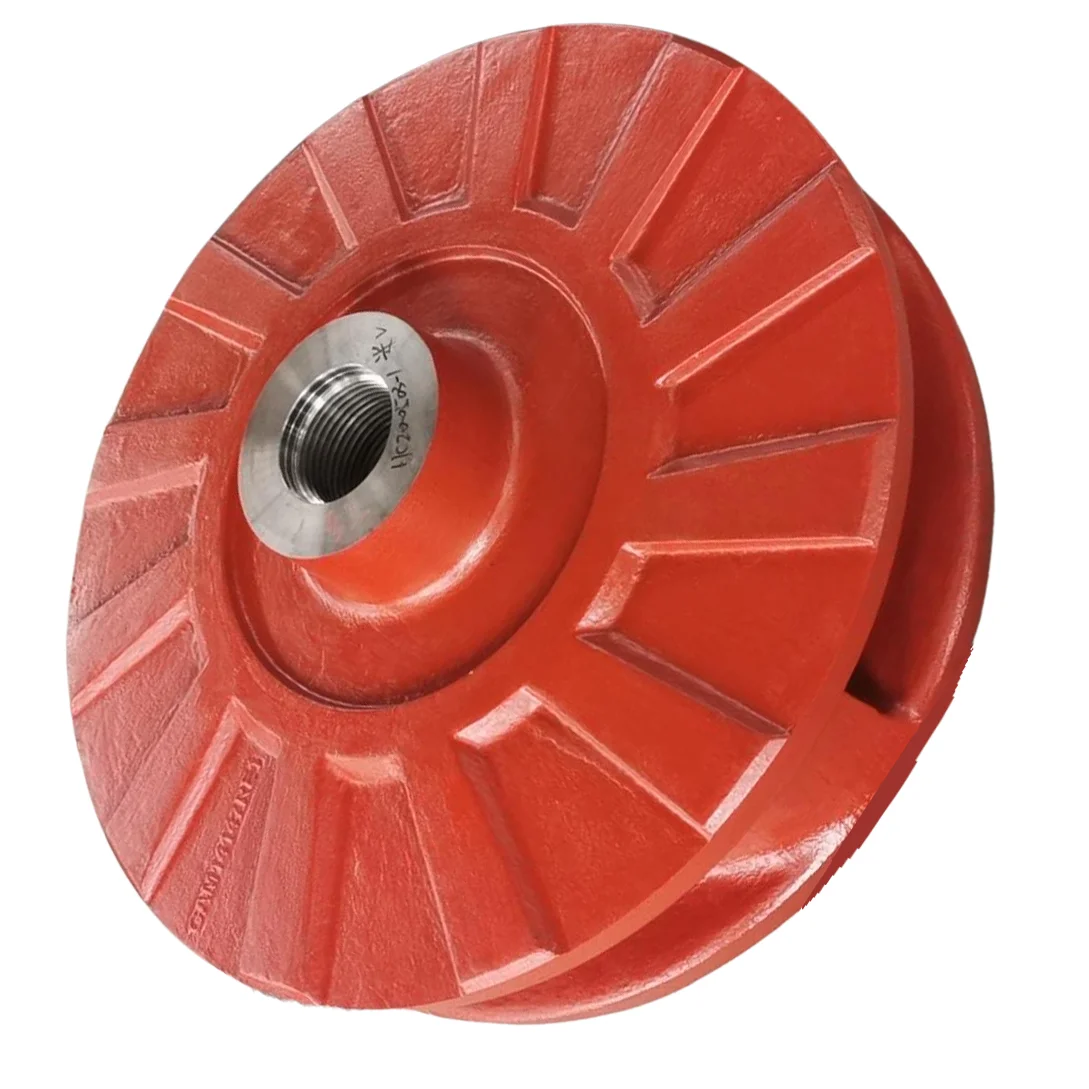
Understanding the OEM Rubber Lined Slurry Pump Factory: An Industry Cornerstone
At first glance, OEM rubber lined slurry pump factory might sound pretty niche—some specialized industrial term floating quietly in the world of heavy machinery. But if you pause to consider its role, it quickly becomes clear this is a lynchpin in industries ranging from mining to wastewater treatment, and that understanding what these factories produce—high-quality, durable slurry pumps lined with rubber—actually matters a lot. Why? Because they enable safer, more efficient handling of abrasive and corrosive materials, which frankly can be a real operational challenge globally, especially in harsh environments.
Getting to grips with how these factories operate, and the products they build, can offer insights not just for industry insiders but for anyone interested in the logistics of modern infrastructure and environmental protection. Plus, the benefits—a reduction in downtime, cost efficiency, enhanced safety—ripple through entire supply chains and communities.
Global Industry Context: Why OEM Rubber Lined Slurry Pump Factories Are Essential
Slurry pumps, particularly those with rubber linings, play a vital role worldwide. According to the International Organization for Standardization (ISO), pumps designed to move abrasive fluids are critical in sectors accounting for over $200 billion annually in global revenue—think mining, dredging, chemical processing, and more.[1] The rubber lining offers a shield that significantly reduces wear, thereby enhancing service life and operational safety.
And the challenge is significant. Many industries face increasingly difficult materials to pump—especially slurries containing sharp particles or corrosive fluids—that can quickly damage equipment. OEM rubber lined slurry pump factories directly address this by innovating on lining materials, pump designs, and manufacturing precision. This greatly improves durability and reliability, critical because downtime in industries like mining translates into significant financial loss—or worse, safety risks.
Defining the OEM Rubber Lined Slurry Pump Factory
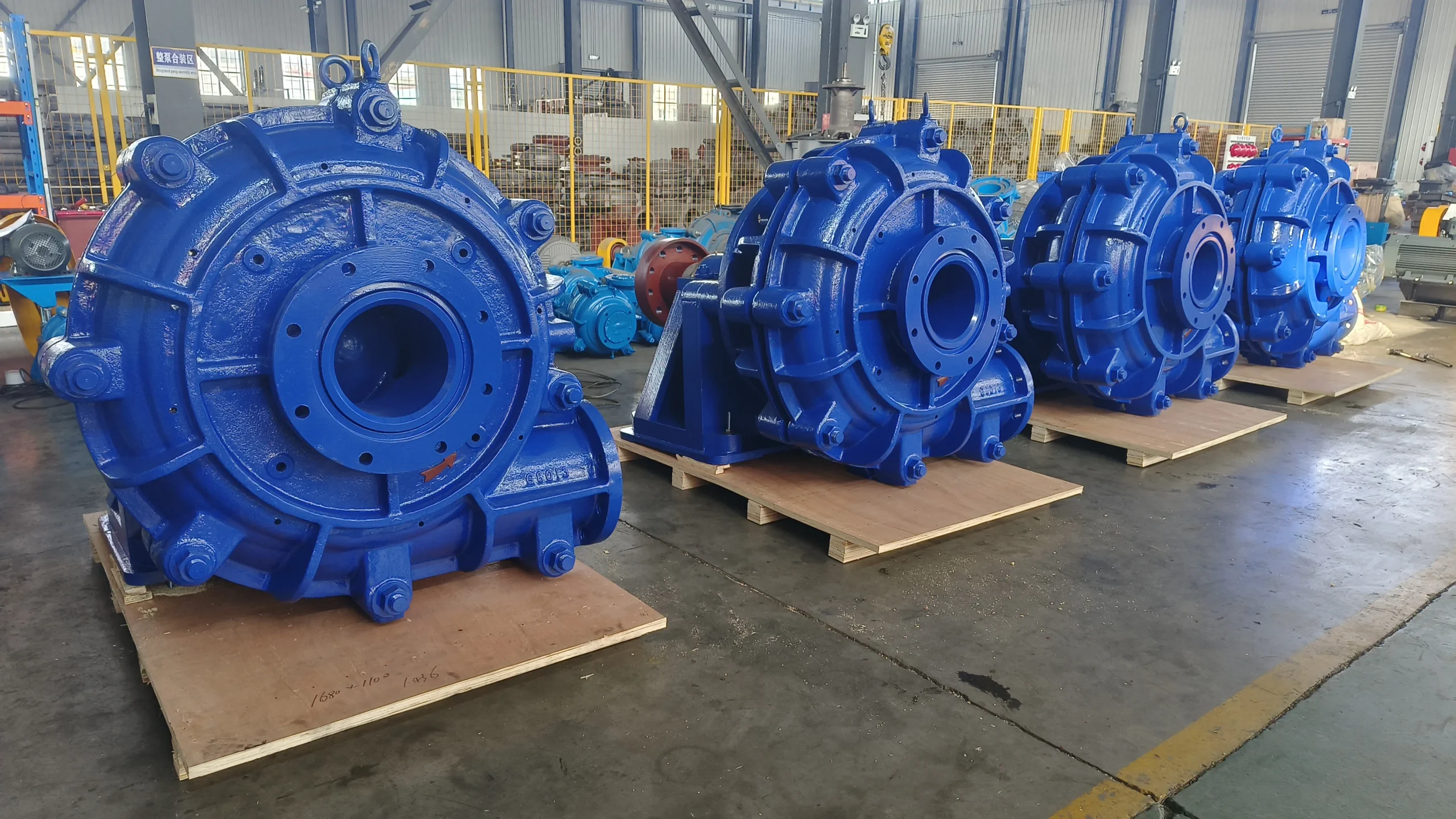
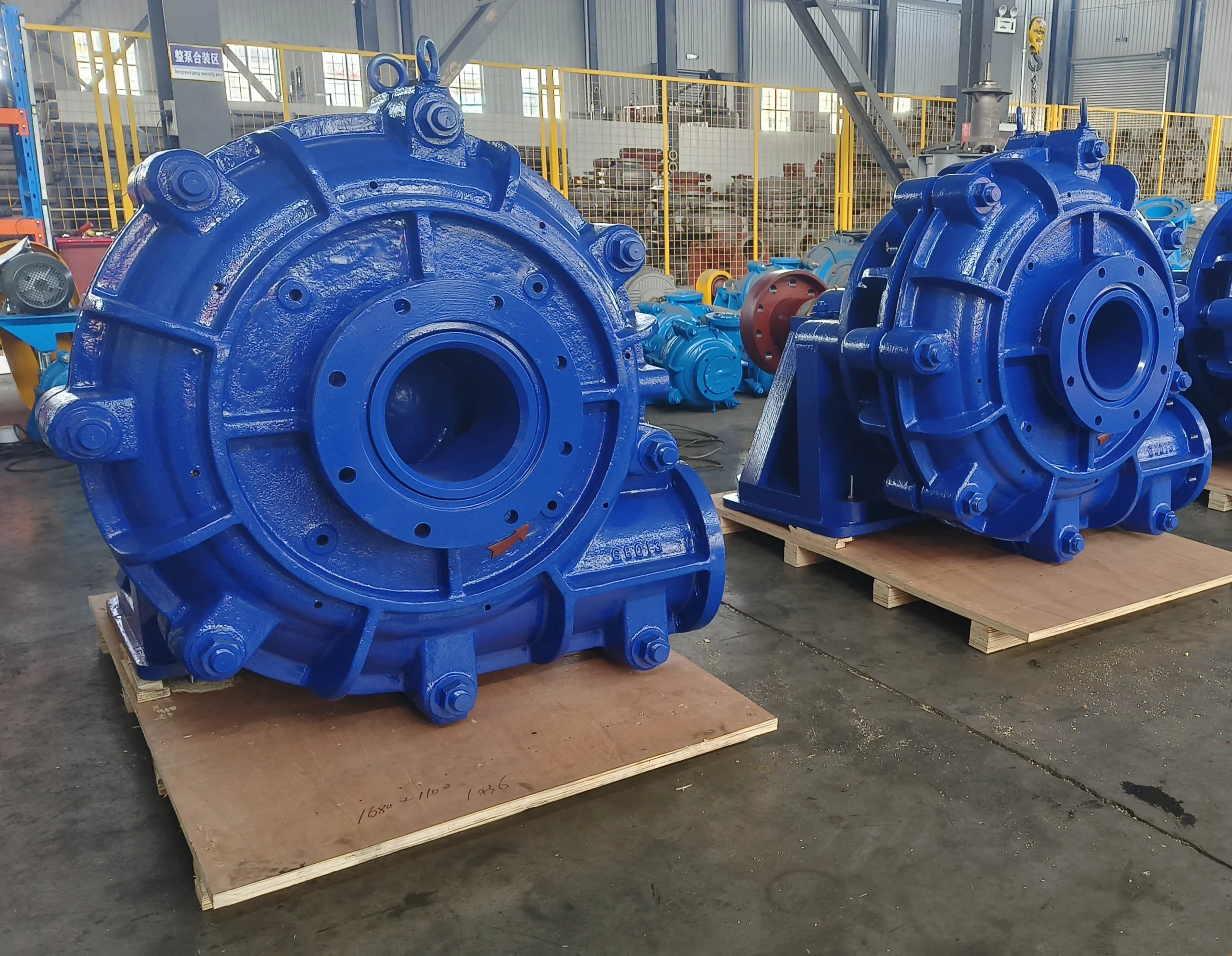
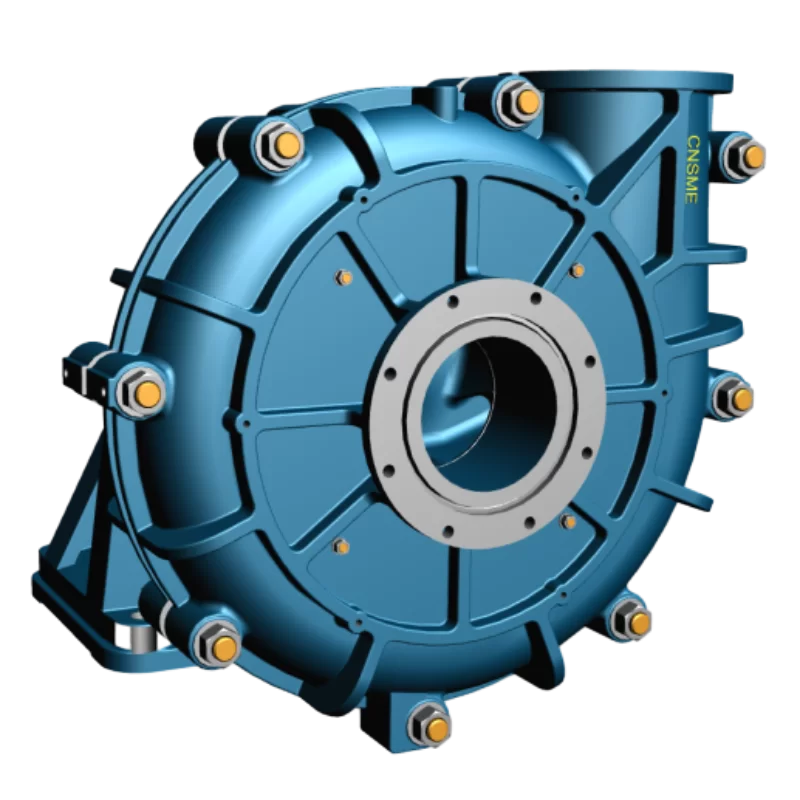
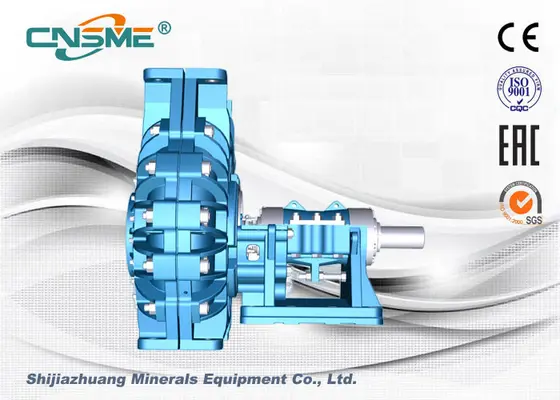
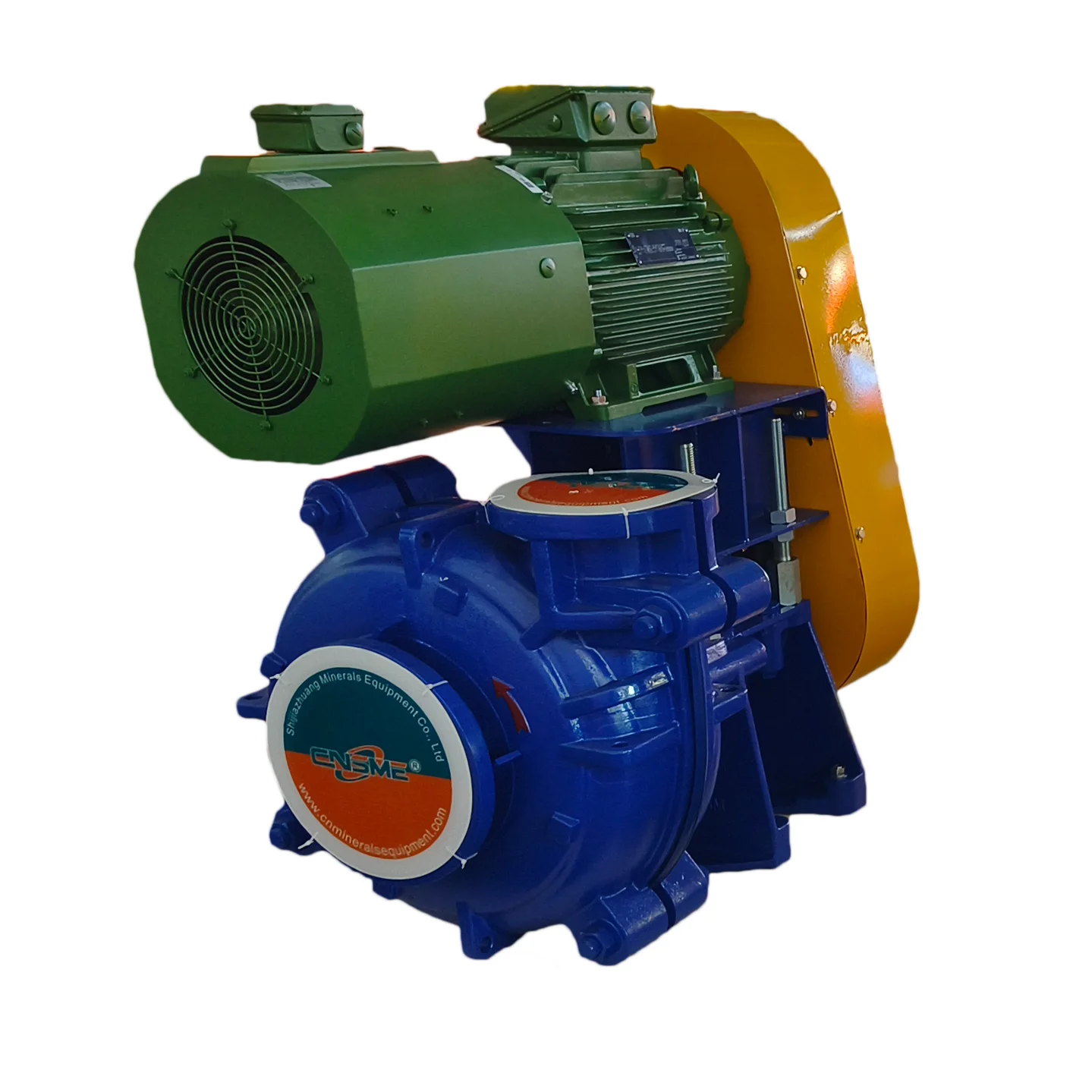
Simply put, an OEM rubber lined slurry pump factory is an original equipment manufacturer specializing in producing slurry pumps that include a tough, resilient rubber lining. The “OEM” part means these pumps are built to original specifications and often supplied directly to equipment integrators or end users.
These factories combine advanced molding, rubber compounding, and metal fabrication. It’s a blend of material science and mechanical engineering tailored to create pumps that safely move abrasive mixtures—think mud, sand, mining tailings, or even wastewater sludge—in a broad array of industrial contexts.
Core Factors and Components of Rubber Lined Slurry Pumps
1. Durability
Rubber liners afford the pumps significant resistance against abrasion and corrosion, which is especially important when handling slurries with sharp particles.
2. Cost Efficiency
While initial costs might be higher than some metal-only pumps, rubber lined pumps often cut maintenance and replacement expenses dramatically.
3. Scalability & Customization
Factories offer bespoke sizes and configurations to suit client-specific slurry properties and flow rates. This is often essential for operational efficiency.
4. Environmental Protection
Rubber’s chemical resistance helps prevent leakages, which is key to safeguarding the environment in sensitive applications.
5. Ease of Maintenance
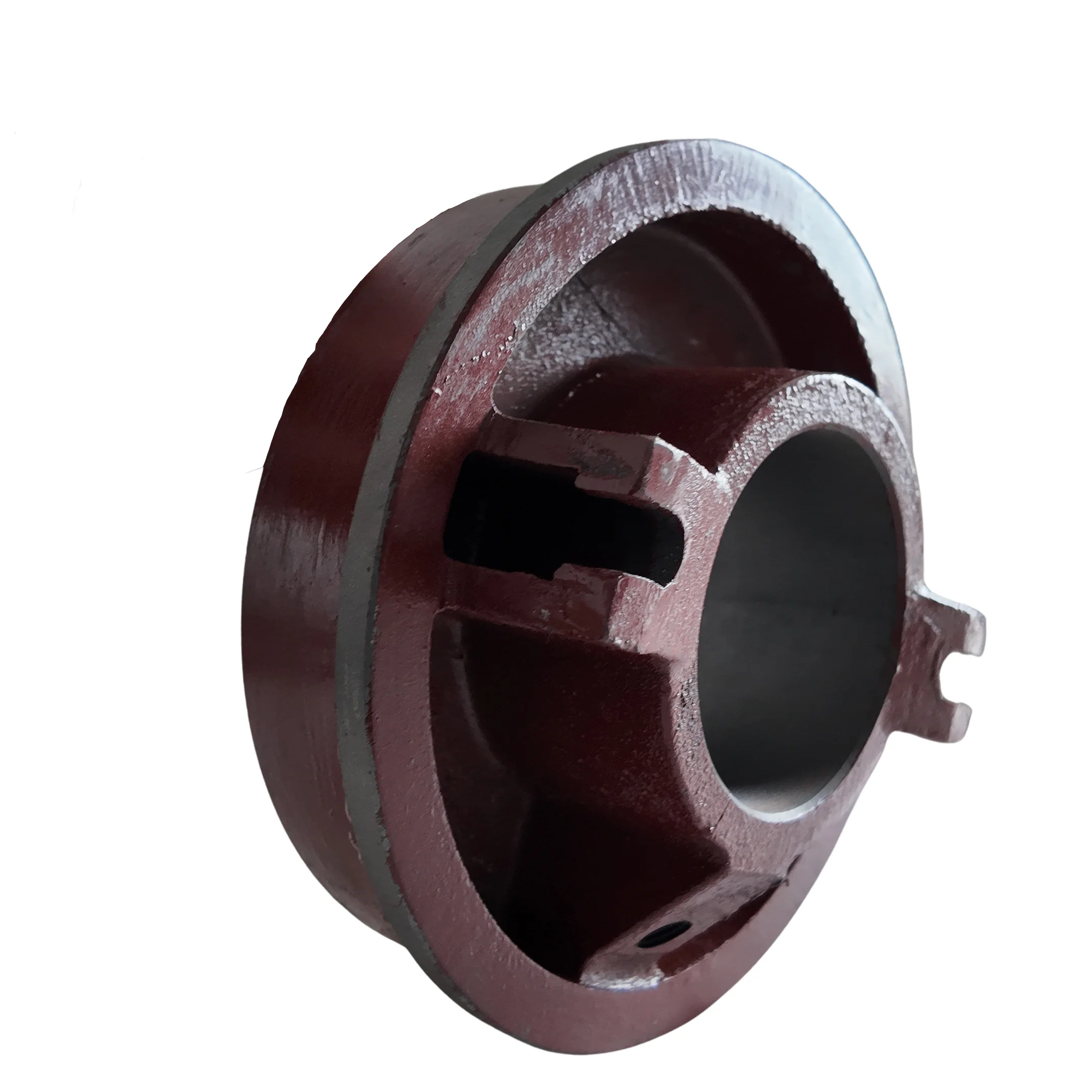
Modular wear parts and liners can be replaced without scrapping entire pumps, reducing downtime and environmental waste.
Mini Takeaway: By addressing wear and efficiency, OEM rubber lined slurry pump factories ensure operational resilience and environmental safety, key factors for industries with challenging fluids.
Global Applications and Real-World Use Cases
Mining Operations: In Australia and Canada, rubber lined slurry pumps help transport gold ore and tailings safely and efficiently.
Wastewater Treatment: European municipal plants rely on these pumps to handle aggressive sludge mixtures without constant breakdowns.
Construction and Dredging: In Southeast Asia, dredging projects use these pumps to move muddy sediments, keeping waterways navigable.
Disaster Relief: In post-disaster scenarios, robust slurry pumps are used to clear debris sludge, facilitating recovery efforts quickly.
Mini Takeaway: These pumps—owing to their durability and adaptability—are invaluable across diverse climates, industries, and geographies.
Advantages and Long-Term Value
From a practical standpoint, rubber lined slurry pumps often mean fewer shutdowns, lower repair costs, and increased safety—consider how catastrophic a pump failure can be when handling toxic or corrosive substances.
On a human level, using reliable pumps fosters trust with workers and communities alike. There’s a quiet dignity in knowing hazardous materials are managed responsibly. Moreover, manufacturers claim reduced environmental impact due to less frequent replacements and minimized leaks.
Future Trends and Innovations in OEM Rubber Lined Slurry Pumps
The sector is not static. Innovations include:
Advanced Polymer Linings: Research aims at hybrid rubbers with better temperature and abrasion resistance.
Smart Pumps & IoT Integration: Sensors embedded for real-time wear monitoring and predictive maintenance.
Eco-Friendly Production: New methods reduce waste in factories, and some use recycled rubber compounds.
Automation: Factory lines employing robotics for higher precision and consistency.
Challenges & Expert Solutions
Oddly enough, challenges persist:
Material Compatibility: Not all slurry types respond well to existing rubber compounds—there’s a trade-off between hardness and flexibility.
Cost Barriers: Custom OEM pumps can be expensive upfront, deterring small operators.
Supply Chain Issues: Global raw material shortages can delay production.
Experts often recommend incorporating advanced material testing and flexible design approaches to navigate these hurdles. For smaller operators, partnering directly with OEM factories can sometimes yield tailored cost solutions.
Product Specifications: Typical OEM Rubber Lined Slurry Pump
| Specification | Value |
|---|
| Flow Rate | Up to 1500 m³/h |
| Max Head | 70 m |
| Liner Material | Natural & Synthetic Rubber Blends |
| Temperature Range | -20°C to 80°C |
| Max Particle Size | 50 mm |
Vendor Comparison of OEM Rubber Lined Slurry Pump Factories
| Feature/Factory | Factory A | Factory B | Factory C |
|---|
| Customization Options | High | Medium | Low |
| Lead Time | 4-6 weeks | 6-8 weeks | 8+ weeks |
| After-Sales Support | 24/7 Global | Business Hours Only | Limited |
| Compliance Certifications | ISO 9001, CE | ISO 9001 | None |
| Price Range | $$$ | $$ | $ |
FAQ: Frequently Asked Questions About OEM Rubber Lined Slurry Pump Factory
- Q1: What advantages do rubber lined slurry pumps have over metal-lined pumps?
- Rubber lined pumps offer superior abrasion resistance and corrosion protection, especially with slurries containing sharp or acidic particles. They also typically have lower noise levels and smoother operation, plus easier maintenance since liners can be replaced without changing the entire pump.
- Q2: How customizable are pumps from OEM rubber lined slurry pump factories?
- Very customizable. Most reputable OEM factories tailor pump size, liner thickness, and material compound based on the slurry’s abrasiveness, temperature, and chemical characteristics. This ensures longevity and operational efficiency.
- Q3: Are rubber lined slurry pumps sustainable?
- When properly maintained, these pumps reduce the need for frequent replacement parts, lowering waste. Advances in eco-friendly rubber compounds and efficient manufacturing help improve their environmental footprint further.
- Q4: How do I select an OEM rubber lined slurry pump factory?
- Look for factories with recognized quality certifications (ISO 9001, CE), proven customization capabilities, solid after-sales support, and a track record in your industry. Reviews and case studies are invaluable.
- Q5: Can these pumps operate in extreme temperatures?
- Generally, yes. Rubber lined slurry pumps can handle temperatures from about -20°C to 80°C, but for more extreme conditions, check with the OEM regarding specialized liners or materials.
Conclusion and Call to Action
All told, the OEM rubber lined slurry pump factory plays a quiet but crucial role in enabling industries worldwide to handle tough slurry materials safely and efficiently. Their innovative liners, customized designs, and emphasis on durability not only cut costs but also protect environments and workers alike. If you’re involved in sectors where slurry handling is a daily hurdle, understanding these factories is a smart move.
So, if you want to dive deeper, explore products, or discuss custom solutions tailored to your requirements, visit our website: OEM rubber lined slurry pump factory. It’s where expertise meets practical industrial needs.
Final thought: Sometimes the unsung workhorses—like these rugged pumps—shape industries far more than the flashy headlines.
References:
International Organization for Standardization (ISO)
Wikipedia: Pump
World Bank Industrial Data