Dec. 02, 2025
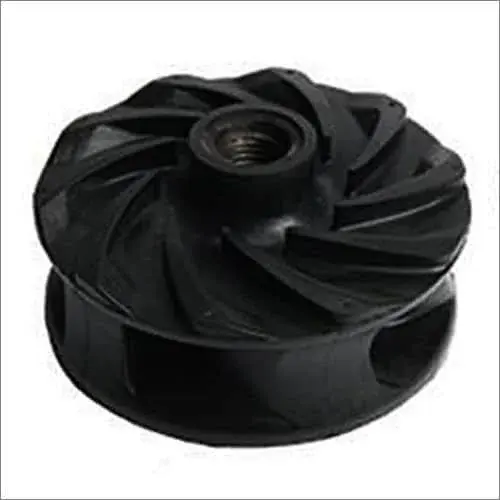
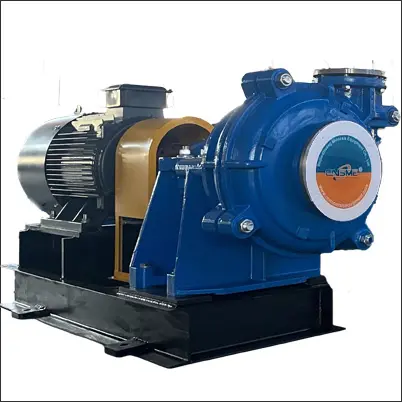
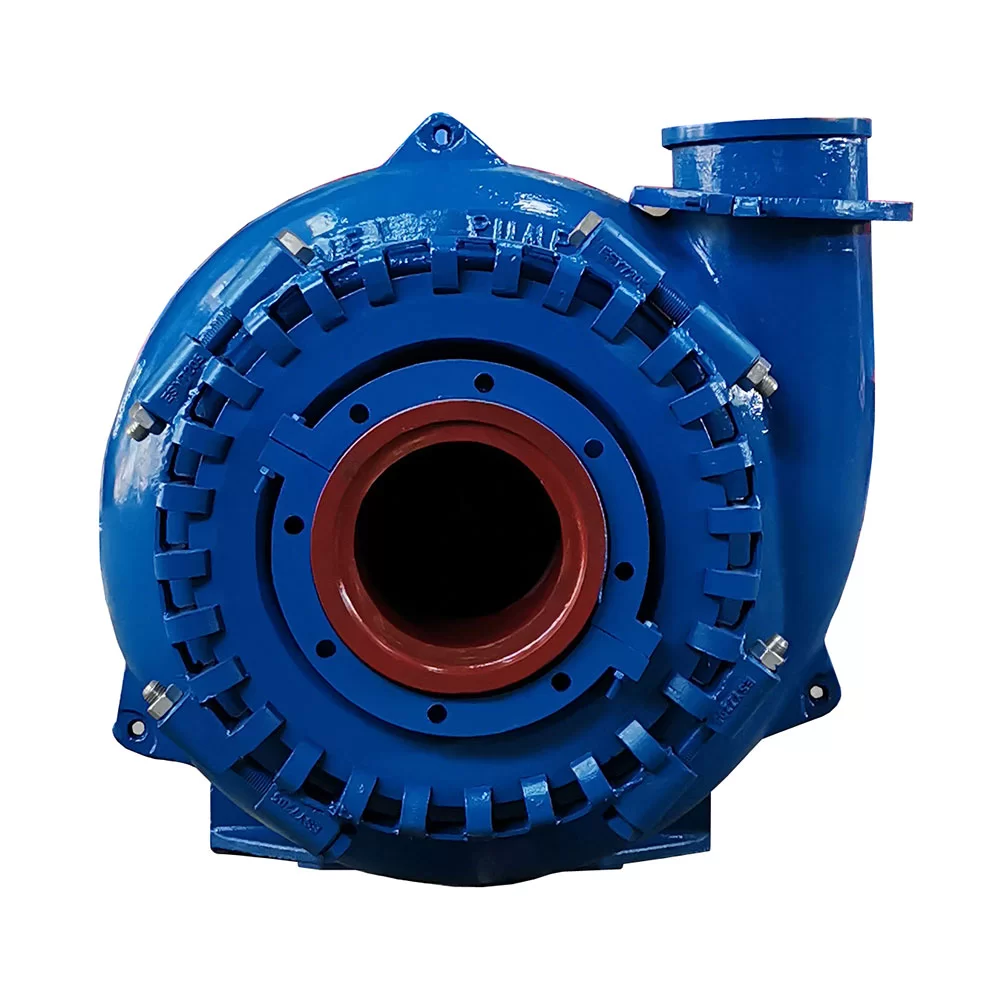
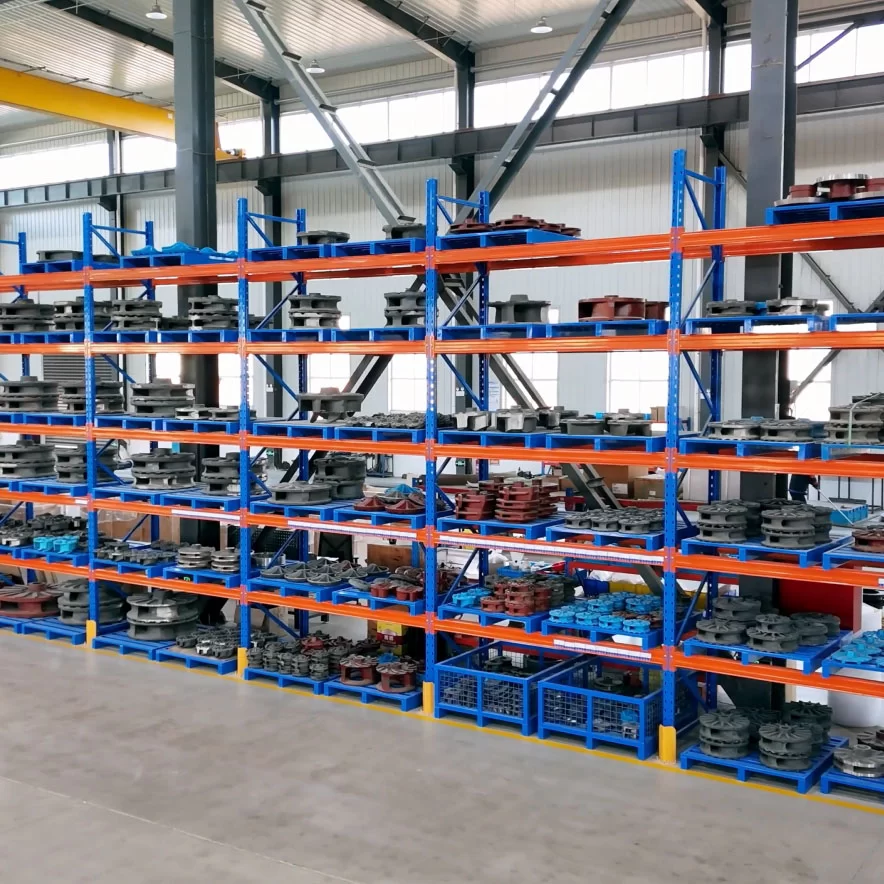
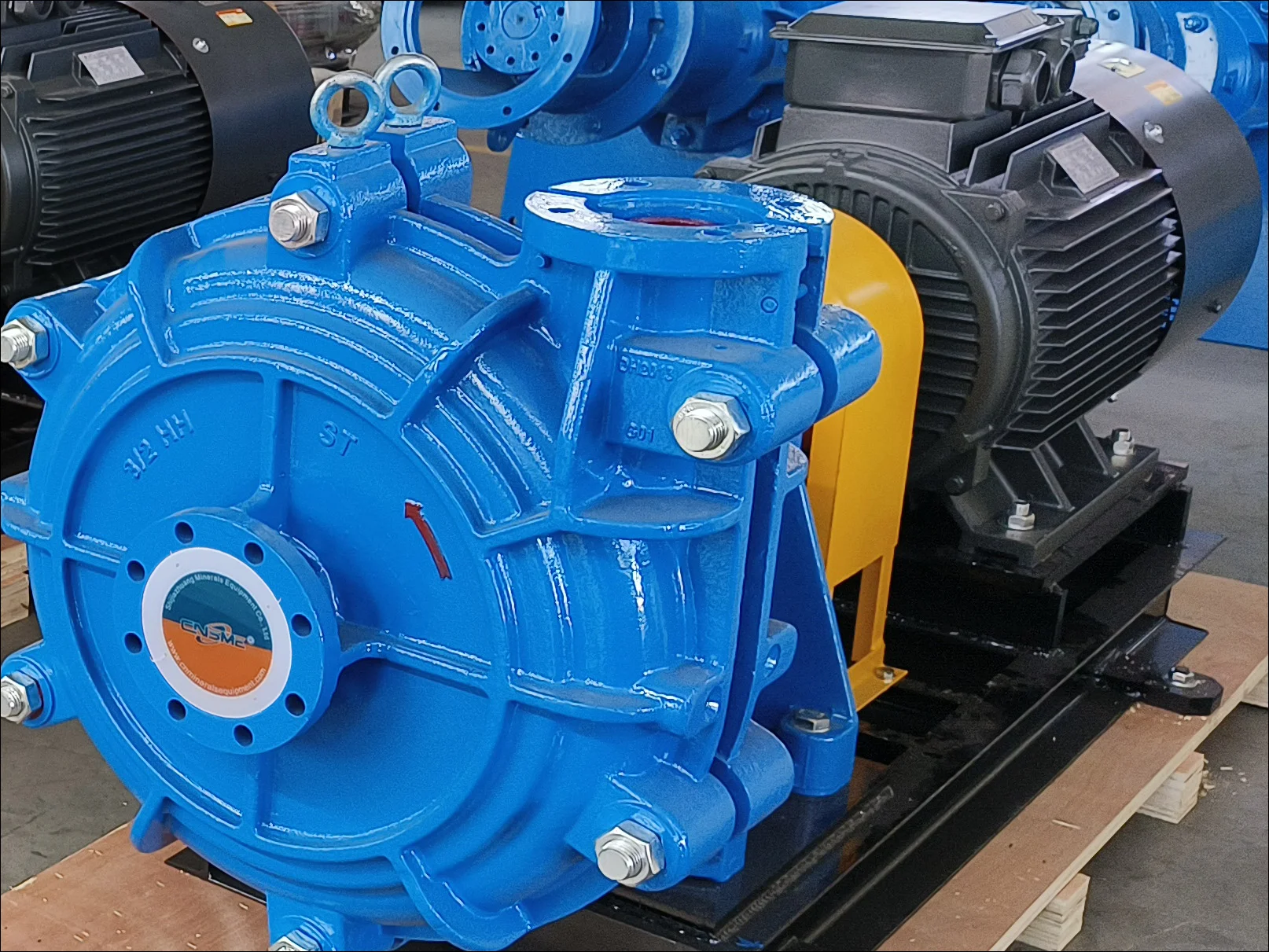
Slurry pump impellers are generally classified into three types: closed impellers, semi-open impellers, and open impellers.

Closed impellers consist of vanes enclosed between the front and rear shrouds and are the most widely used type in slurry pumps. Their advantages include higher efficiency and good performance in handling clean water, solutions, or other low-viscosity, clean liquids. However, when the pumped medium contains a high amount of solid particles or fibers, closed impellers may suffer severe wear, which can reduce their hydraulic performance.

Semi-open impellers come in two structures: front semi-open and rear semi-open. They are composed of vanes and a partial shroud. This design allows the impeller to pump liquids while providing a certain level of sealing performance. Compared with closed impellers, semi-open impellers are easier to manufacture, more cost-effective, and offer strong adaptability. For this reason, their application in industries such as oil refining and chemical processing has been increasing.
Open impellers have only vanes and reinforced ribs without front or rear shrouds. They feature a simple structure and are easy to manufacture, although their efficiency is relatively lower. Open impellers are mainly used to handle high-viscosity liquids and slurry-like materials. However, due to their structural characteristics, open impellers tend to experience more severe wear when pumping liquids containing solid particles.

Feb 15,26
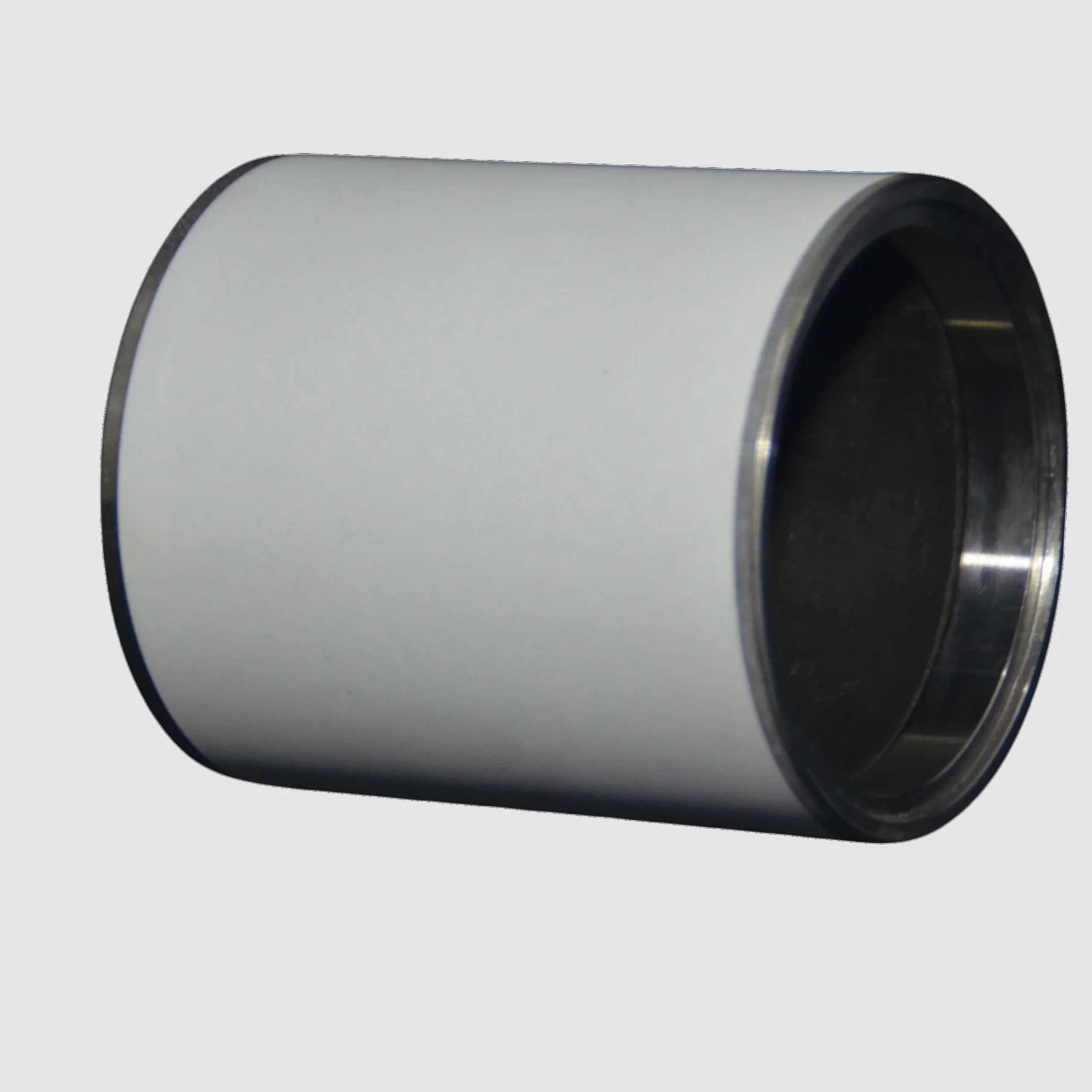
Optimizing Pump Performance with Durable Slurry Pump Shaft Sleeves
Dec 04,25
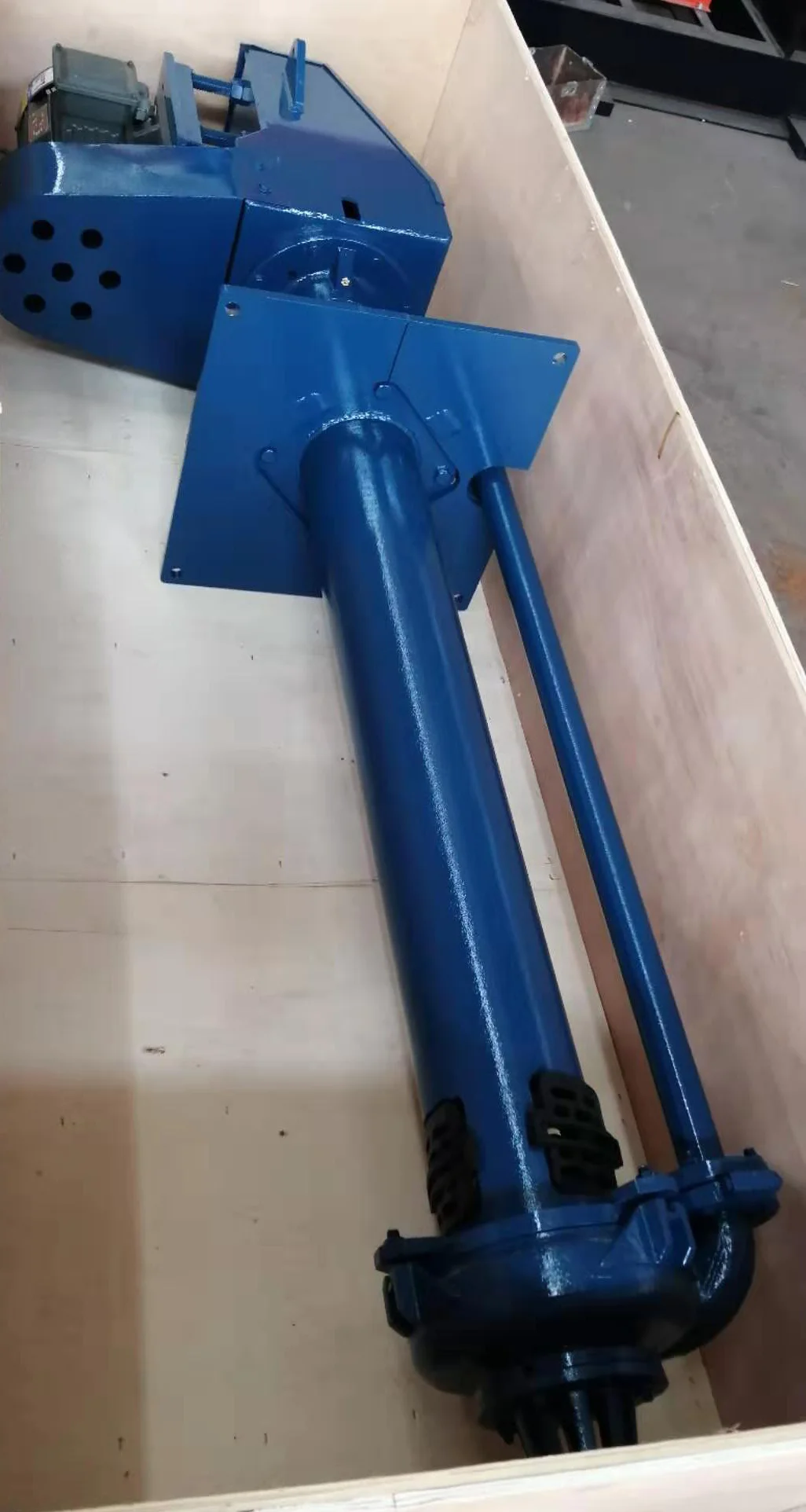
Reliable China Heavy Duty Slurry Pump Manufacturer for Industrial Use
Having spent years around industrial equipment — slurry pumps included — I’ve learned there’s something oddly satisfying about machines built tough enough to literally move mud and rocks for a living. When we talk about a China heavy duty slurry pump manufacturer, we’re diving into a specialized niche, but one that carries real weight in sectors like mining, dredging, and power plants.
Mar 30,26
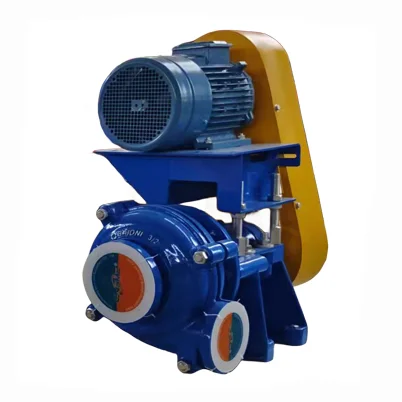
Optimizing Vertical Sump Pump Design for Efficient and Reliable Fluid Management
Feb 03,26
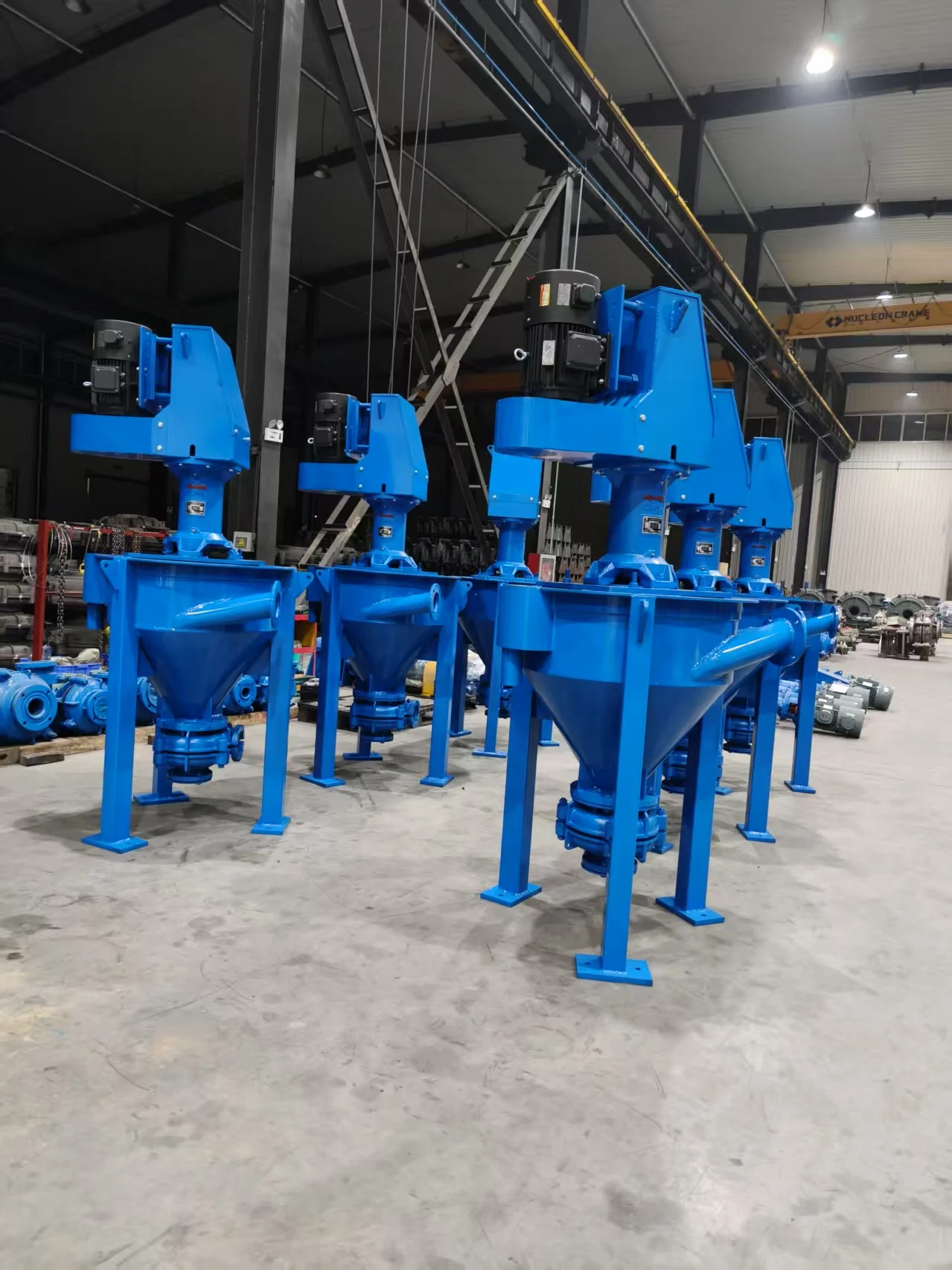
Optimizing Dredge Pump Performance Reliability and Practical Maintenance
Look, I've been running around construction sites for over a decade now, and honestly, the biggest thing I’m seeing lately is everyone chasing higher flow rates. It's like a horsepower war, you know? Everyone wants the biggest, baddest dredge pump on the block. They think bigger equals better. But… it's not always that simple. Have you noticed, a lot of these designs, they look fantastic on paper, all sleek and optimized. But then you get them on-site, and they're a nightmare to maintain. Too many tight spaces, proprietary fittings, stuff like that. It’s like the engineers designing these things have never actually touched a wrench. They forget that someone has to disassemble this thing in the pouring rain at 3 AM. And it's not just the design. The materials...people are constantly trying to cut corners. We've really started standardizing on high-chrome iron for the impeller and casing. It’s heavy, sure, smells a bit like metal shavings when you first machine it, and getting a good weld requires a specialist, but it holds up.
Feb 08,26
Optimizing Slurry Pump Impeller Design for Efficiency and Reliability
Slurry pump impeller design is a crucial element in the efficient and reliable transport of abrasive and erosive fluids across numerous industries. These specialized pumps are vital in mining, wastewater treatment, chemical processing, and even food production, where handling mixtures of liquids and solids is commonplace. Optimizing the impeller's design directly impacts the pump’s performance – its efficiency, longevity, and ability to withstand the harsh conditions inherent in slurry handling. Understanding the nuances of slurry pump impeller design is therefore paramount for engineers and operators striving for cost-effectiveness and operational excellence. Globally, the demand for efficient slurry handling solutions is constantly increasing, driven by factors such as expanding infrastructure projects, stricter environmental regulations regarding waste management, and the growing need for resource extraction. The United Nations estimates that global wastewater generation will increase by 54% by 2050, necessitating advanced wastewater treatment facilities – many relying heavily on robust slurry pumping systems.
Feb 27,26
Optimizing Slurry Pump Performance for Efficient Copper Mine Operations
bscribe newslette