Jun. 26, 2026
In the demanding environment of mineral processing, the efficiency of moving abrasive materials is critical. Selecting a high-performance slurry pump is essential to ensure a continuous production flow and minimize costly downtime. Ball mill discharge typically involves heavy, abrasive solids mixed with water, often entraining air, which can cause cavitation and rapid wear in standard pumps. This article explores the technical requirements for these pumps and introduces the AF series Vertical Tank Froth Pumps as a professional solution for handling challenging slurries in the manufacturing and mining sectors.
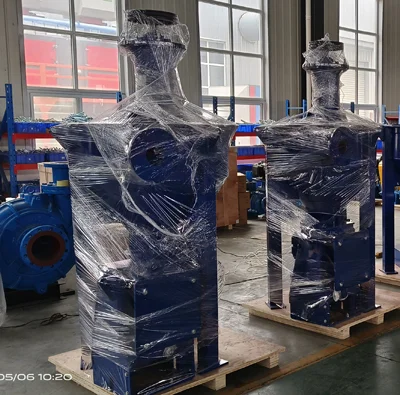
The discharge from a ball mill is one of the most aggressive fluids in a processing plant. The primary challenge is the high concentration of abrasive particles which act like sandpaper on internal pump components. Additionally, "frothy slurry"—slurry containing entrained air—is common in flotation processes. If a standard pump is used, the air pockets can lead to air-binding, significantly reducing the pump's capacity and efficiency. Utilizing a specialized slurry pump that incorporates froth-handling technology is the only way to maintain stable hydraulic performance and prevent premature equipment failure.
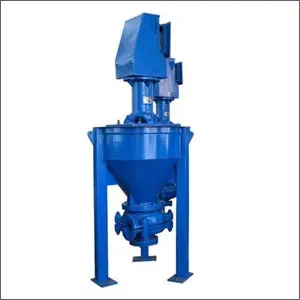
Technical Insight: The SF series utilizes a principle similar to hydrocyclone separation, allowing air to be vented while the heavy solids are efficiently pumped, effectively increasing the "pumpability" of frothy materials.
To combat extreme wear, materials science plays a pivotal role. A professional slurry pump must be constructed from high-grade alloys. The SF series, for example, employs wear-resistant high chrome iron alloy with a nominal hardness of 58-65HRC. This hardness ensures that the impeller and casing can withstand the constant bombardment of ore particles. Furthermore, the vertical tank design allows for a natural gravity feed from the ball mill, reducing the need for complex suction piping and lowering the risk of blockages in the system.
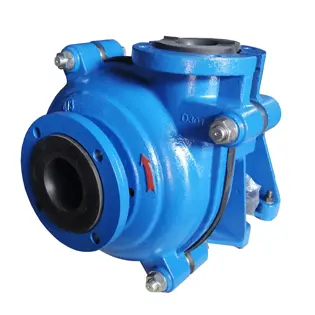
Choosing the correct model depends on the required flow rate (Capacity) and the total dynamic head. The SF series offers a range of sizes to accommodate different plant scales, from small-scale upgrading plants to large base metal concentrators. Below are the detailed specifications for the SF Vertical Tank Froth Pumps, highlighting their capability as a robust slurry pump for ball mill discharge.
The utility of a professional slurry pump for ball mill discharge extends beyond simple transport. These pumps are indispensable in base metal concentrators for handling flotation froth, and in phosphate or apatite washing plants. Another critical application is in calcium carbonate upgrading plants, where consistency is key to product quality. Beyond discharge, these pumps can serve as mixing units, where dry powder is integrated with water to create a homogeneous slurry, demonstrating their versatility in general equipment manufacturing.

When evaluating a slurry pump, it is vital to understand the difference between a standard centrifugal slurry pump and a froth pump. Standard pumps often struggle with air-entrained slurries, leading to "air locking" and a drastic drop in efficiency. In contrast, the SF series is specifically engineered to handle air-entrained materials by utilizing a separation principle that prevents air from interfering with the hydraulic flow, ensuring consistent output even in the most volatile process conditions.
Key Advantages of SF Froth Pumps:
• Eliminates air-binding in frothy slurries
• High chrome iron alloy (58-65HRC) for extreme wear resistance
• Vertical tank design for optimized gravity feed
• Reduced maintenance intervals due to superior material hardness
To maximize the ROI of your slurry pump, a proactive maintenance schedule is required. Regular inspection of the impeller and liner is recommended, as these are the primary wear points. Because the SF series uses high-chrome alloys, the wear rate is significantly lower than in standard cast iron pumps. However, monitoring vibration and noise can provide early warnings of wear or cavitation. Ensuring the pump operates within its specified capacity and head range will further extend the service life of the components.
Selecting the right slurry pump for ball mill discharge is not just about purchasing equipment; it is about optimizing the entire mineral processing circuit. The SF series Vertical Tank Froth Pumps provide a specialized solution to the problems of air entrainment and abrasive wear. By combining high-chrome materials with an innovative separation design, these pumps ensure that your operations remain efficient, durable, and cost-effective. Invest in quality engineering to secure the longevity of your industrial plant.
A froth pump is specifically designed to handle slurries that contain a high percentage of air bubbles, which is common in ball mill discharge and flotation cells. Standard pumps often experience "air-binding," where air pockets prevent the pump from creating the necessary vacuum to move the liquid. Froth pumps, like the SF series, use a design similar to a hydrocyclone to separate the air from the slurry, allowing the pump to maintain a consistent flow rate and high efficiency regardless of the air content.
Ball mill discharge is extremely abrasive. High chrome iron alloy, with a hardness of 58-65HRC, is used because it provides a superior shield against the scouring action of mineral particles. Standard steels or cast irons would wear through in a matter of days in such environments. The high chromium content creates hard carbides within the metal structure, which significantly extends the life of the impeller and casing, reducing the frequency of replacements and the associated downtime for the plant.
Yes, the SF series is highly versatile. In addition to being an excellent slurry pump for ball mill discharge, it can be configured as a mixing and distribution unit. In this application, dry powder is introduced into the pump's suction area where it is mixed with water. The pump's internal turbulence and design ensure that the powder is thoroughly hydrated and distributed evenly throughout the downstream process, making it an ideal choice for chemical and mineral processing plants.
The choice depends primarily on your required volumetric flow rate (Capacity Q) and the height or pressure you need to overcome (Head H). For instance, if your process requires a flow of up to 40 m3/h with a moderate head, the SF/50QV is sufficient. However, for large-scale industrial operations requiring up to 575 m3/h, the SF/200SV is necessary. We recommend analyzing your ball mill's total output and the distance to the next processing stage to determine the optimal model for your specific operational needs.
Jan 31,26
Optimizing Performance with Robust Rubber Lined Slurry Pump Solutions
Feb 08,26
Optimizing Slurry Pump Impeller Design for Efficiency and Reliability
Slurry pump impeller design is a crucial element in the efficient and reliable transport of abrasive and erosive fluids across numerous industries. These specialized pumps are vital in mining, wastewater treatment, chemical processing, and even food production, where handling mixtures of liquids and solids is commonplace. Optimizing the impeller's design directly impacts the pump’s performance – its efficiency, longevity, and ability to withstand the harsh conditions inherent in slurry handling. Understanding the nuances of slurry pump impeller design is therefore paramount for engineers and operators striving for cost-effectiveness and operational excellence. Globally, the demand for efficient slurry handling solutions is constantly increasing, driven by factors such as expanding infrastructure projects, stricter environmental regulations regarding waste management, and the growing need for resource extraction. The United Nations estimates that global wastewater generation will increase by 54% by 2050, necessitating advanced wastewater treatment facilities – many relying heavily on robust slurry pumping systems.
Oct 31,25
Type, Structural Characteristics, and Model of ZJ Slurry Pump
Oct 31,25

Feb 13,26
CNSME 2026 Chinese New Year Holiday Notice – Year of the Horse
As the 2026 Chinese New Year approaches, CNSME would like to extend our sincere greetings and best wishes to our global customers, partners, and team members. In celebration of the Year of the Horse, please find below our official holiday schedule and service arrangements to help you plan your business in advance.
Feb 04,26
Optimizing Operational Efficiency Through Effective Warman Slurry Pump Replacement
bscribe newslette