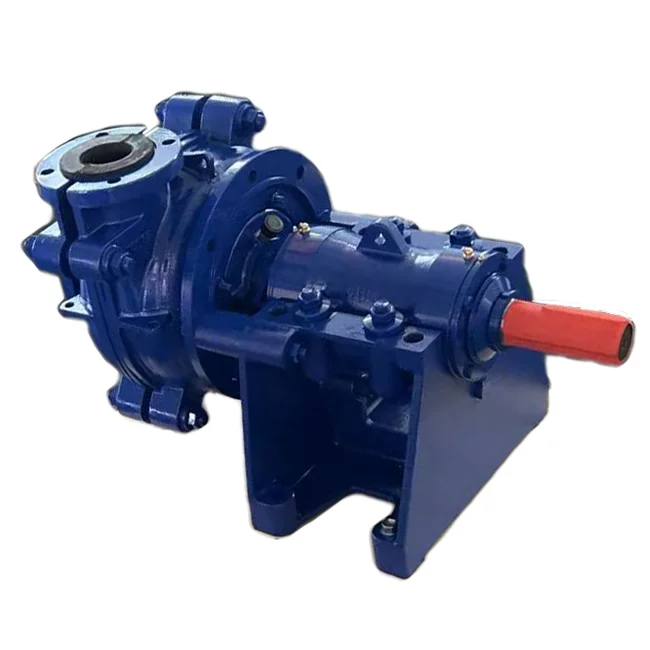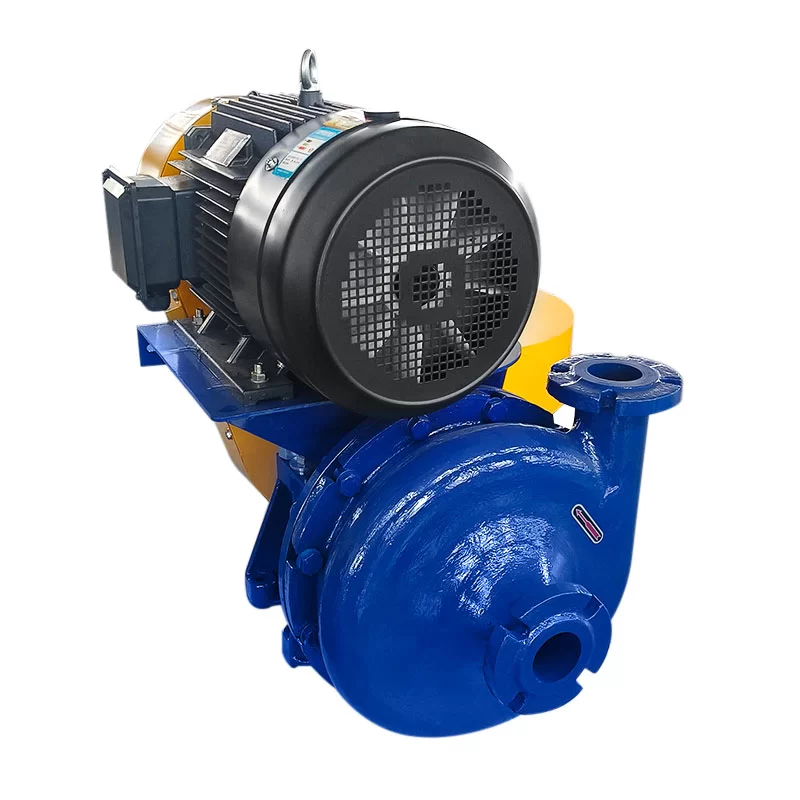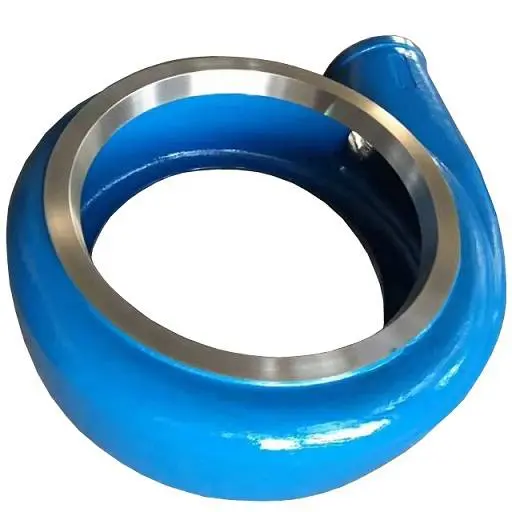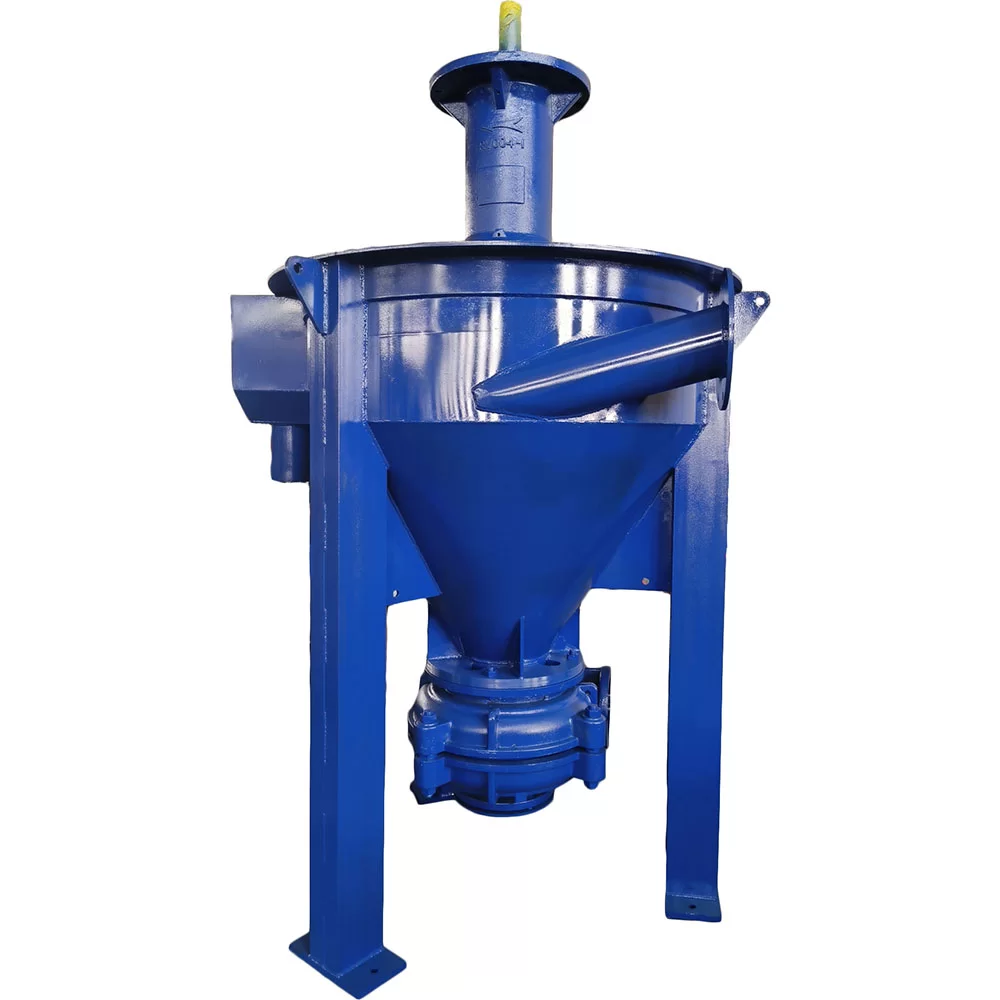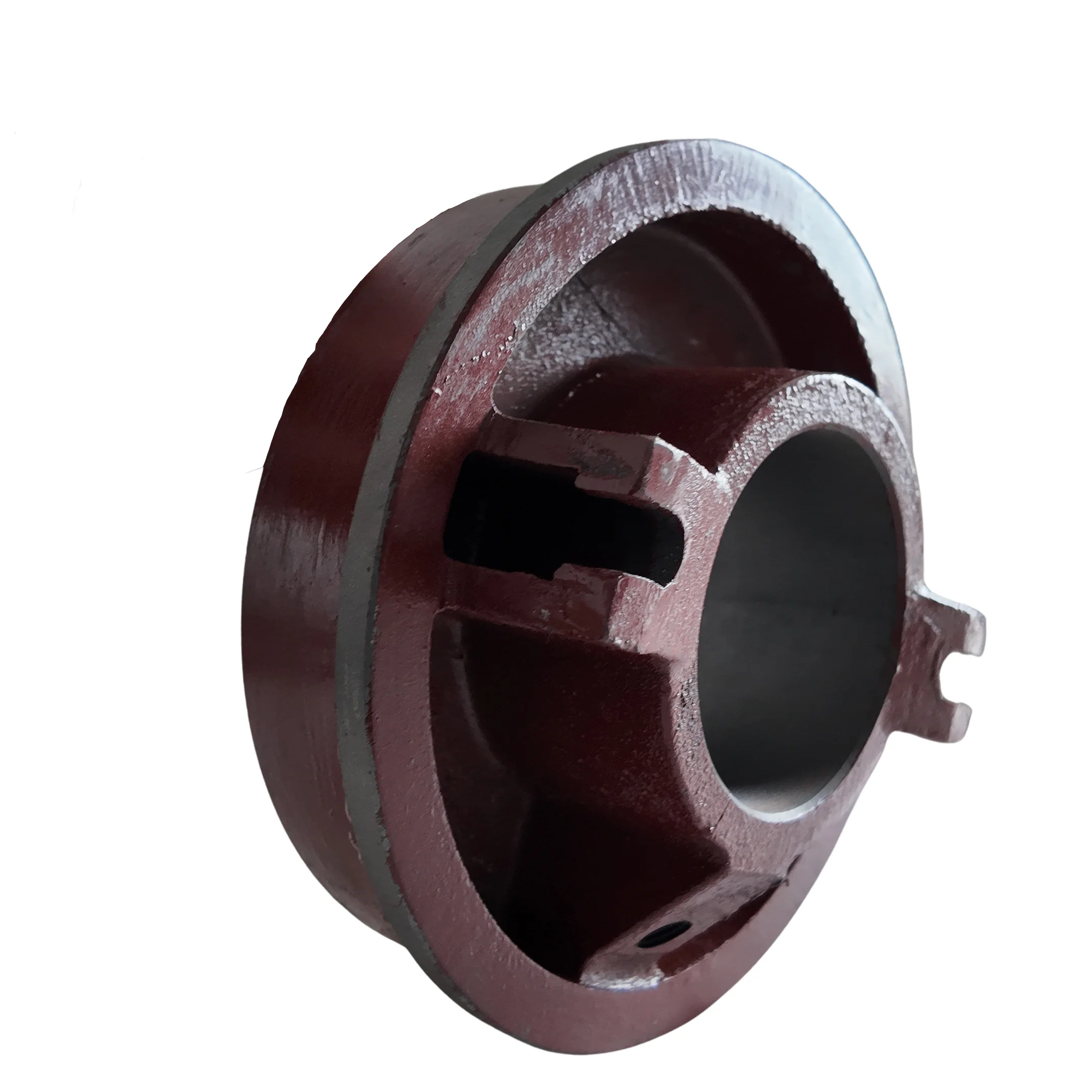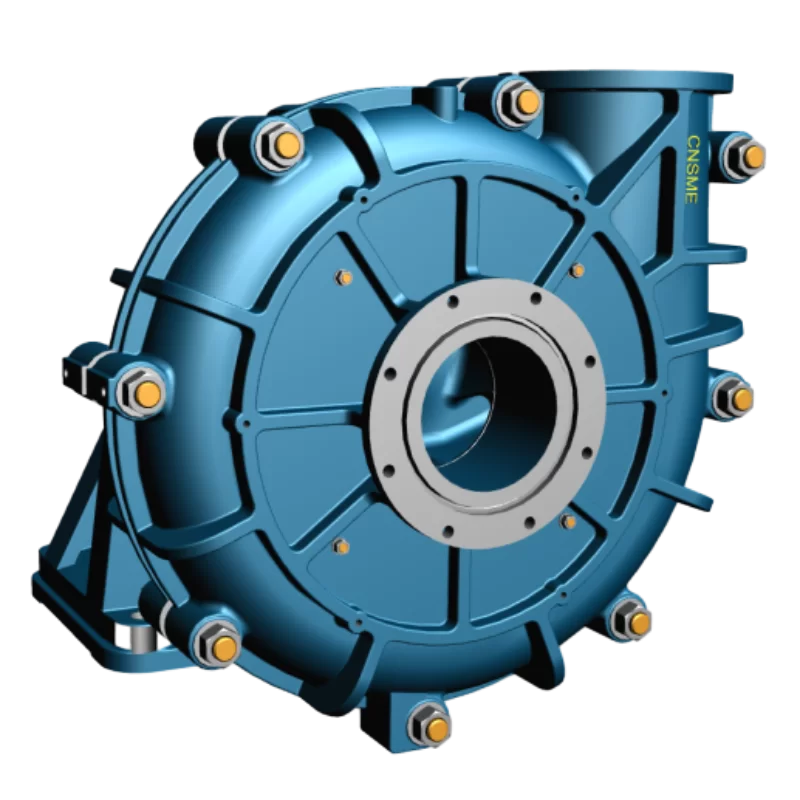
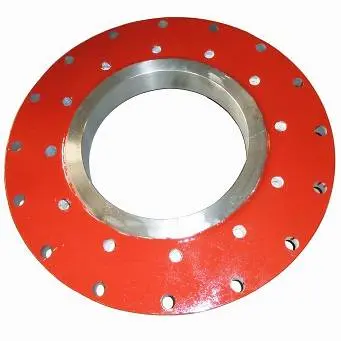
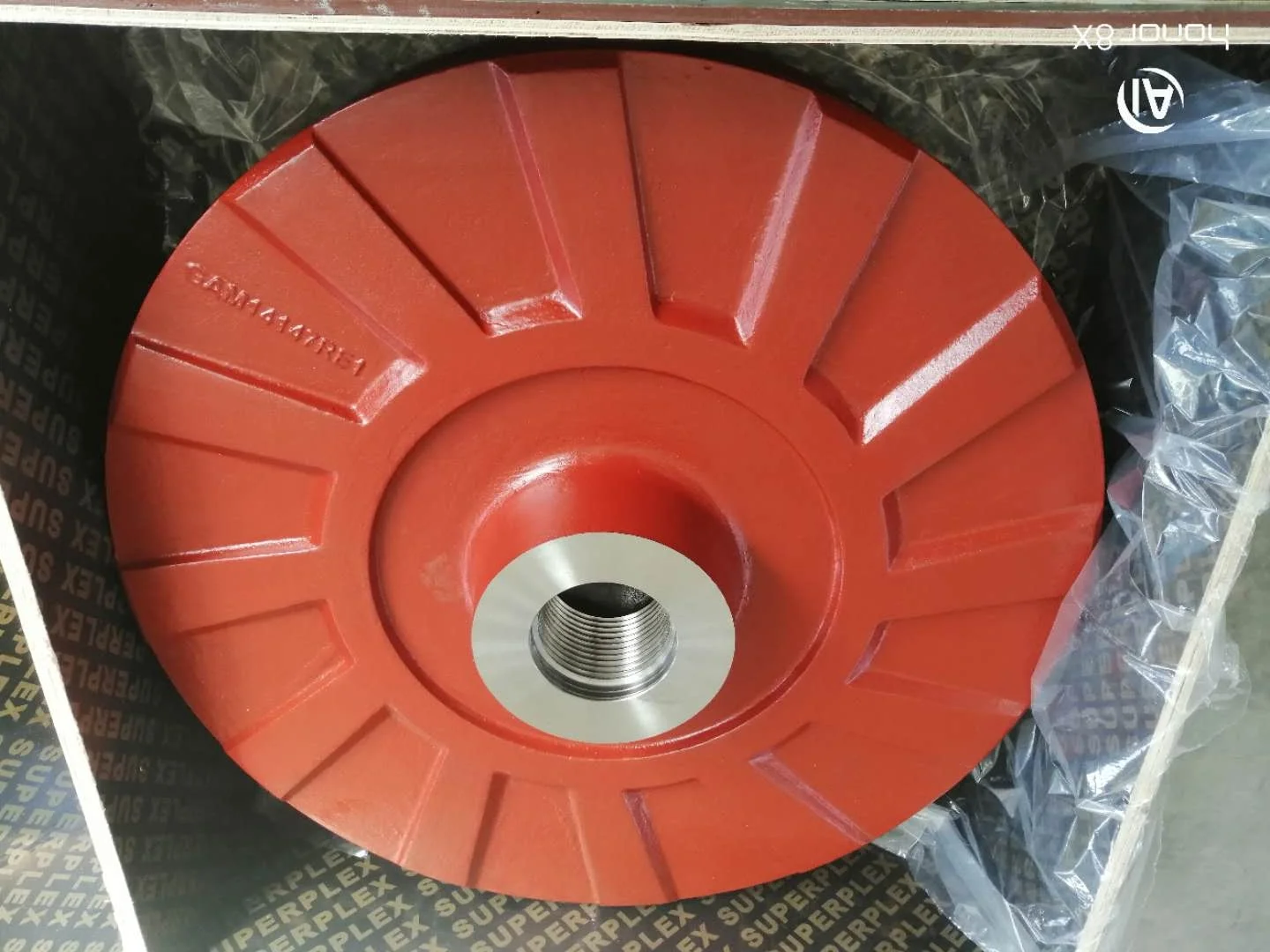
Front Cover for Sand Blender Slurry Pump. Material: High Chrome Alloy A05.
Feb 16,26
Optimizing Slurry Pump Performance with Effective Expeller Management
Feb 08,26
Optimizing Slurry Pump Impeller Design for Efficiency and Reliability
Slurry pump impeller design is a crucial element in the efficient and reliable transport of abrasive and erosive fluids across numerous industries. These specialized pumps are vital in mining, wastewater treatment, chemical processing, and even food production, where handling mixtures of liquids and solids is commonplace. Optimizing the impeller's design directly impacts the pump’s performance – its efficiency, longevity, and ability to withstand the harsh conditions inherent in slurry handling. Understanding the nuances of slurry pump impeller design is therefore paramount for engineers and operators striving for cost-effectiveness and operational excellence. Globally, the demand for efficient slurry handling solutions is constantly increasing, driven by factors such as expanding infrastructure projects, stricter environmental regulations regarding waste management, and the growing need for resource extraction. The United Nations estimates that global wastewater generation will increase by 54% by 2050, necessitating advanced wastewater treatment facilities – many relying heavily on robust slurry pumping systems.
Jan 27,26
Robust Centrifugal Slurry Pump Solutions for Modern Construction and Industry
To be honest, things have been a bit hectic lately. Everyone’s talking about modular construction, prefabrication… basically, getting stuff done offsite. Seems like every other engineer is running around with a BIM model, and the pressure to cut lead times is insane. It’s not just hype, though. I’ve seen it save projects, and it's definitely the way things are heading. And you know what that means? More demand for robust, reliable centrifugal slurry pumps. You wouldn’t believe the amount of concrete slurry involved, even in “modular” builds. Have you noticed how everyone’s obsessed with lightweight materials? Carbon fiber, composites… great for reducing weight, but when it comes to something like a slurry pump, it's about endurance, not saving a few grams. I encountered this at a precast factory in Tianjin last time; they tried using a pump with a fancy plastic impeller and it cracked within a week. Went back to good old cast iron, and problem solved.

Oct 31,25
CNSME Slurry Pump Company to Participate in Mining Exhibition in Istanbul, Turkey in Early May!
Mar 28,26
China Slurry Pump Expeller Supplier A Comprehensive Guide For Industries
Oct 31,25
Type, Structural Characteristics, and Model of ZJ Slurry Pump
bscribe newslette