Oct 31,25
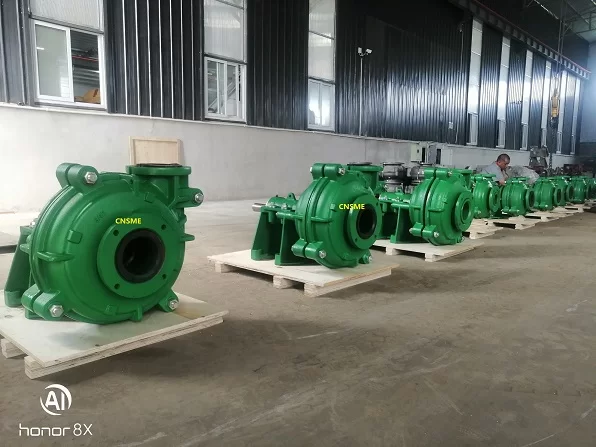
10 Units of Slurry Pumps with Pump Parts for South America
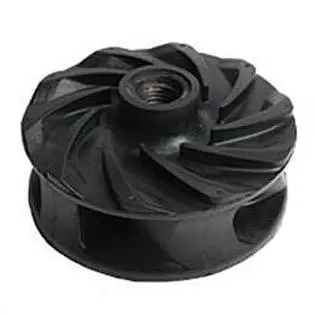
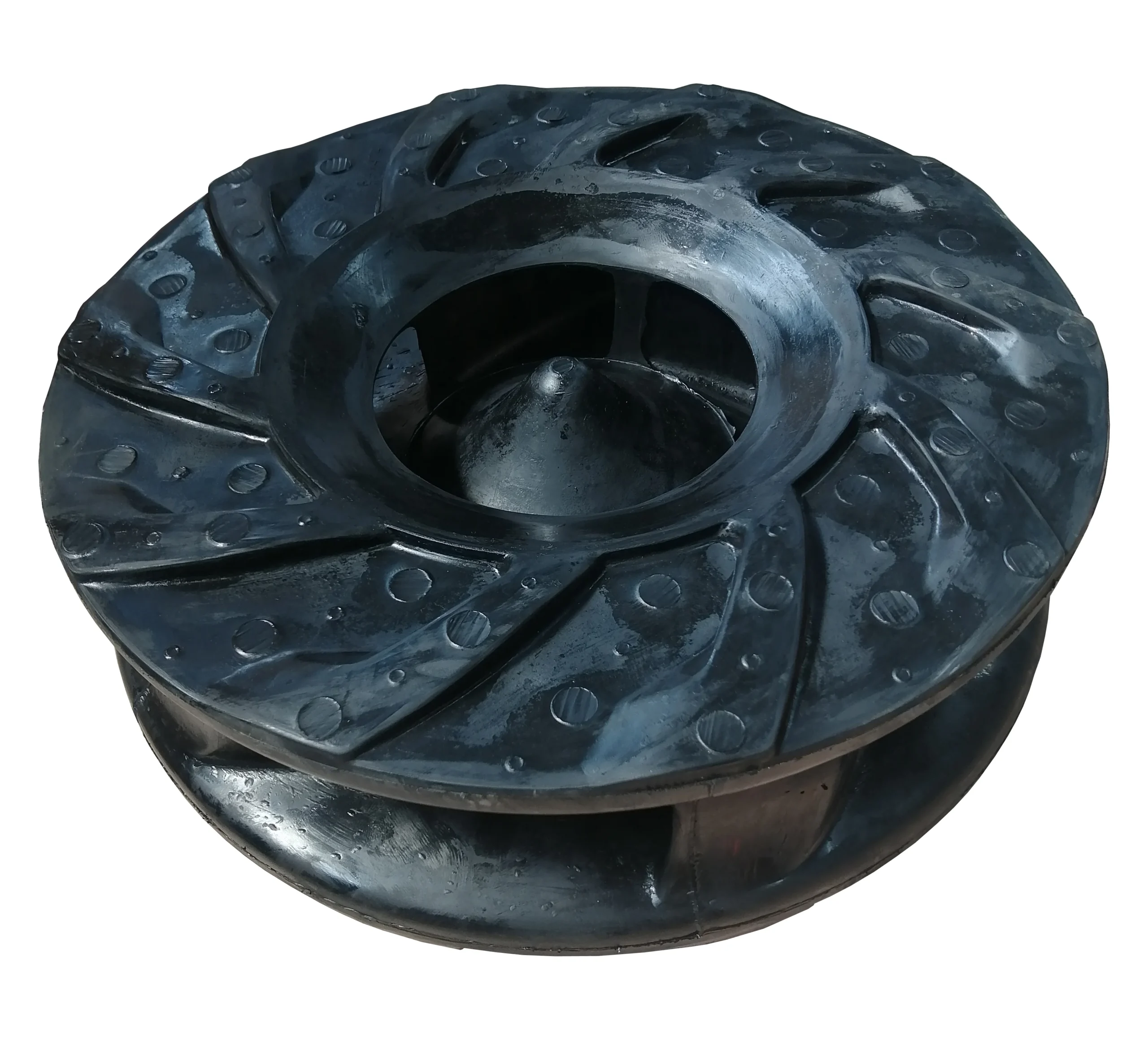
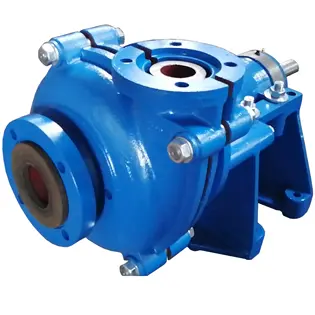
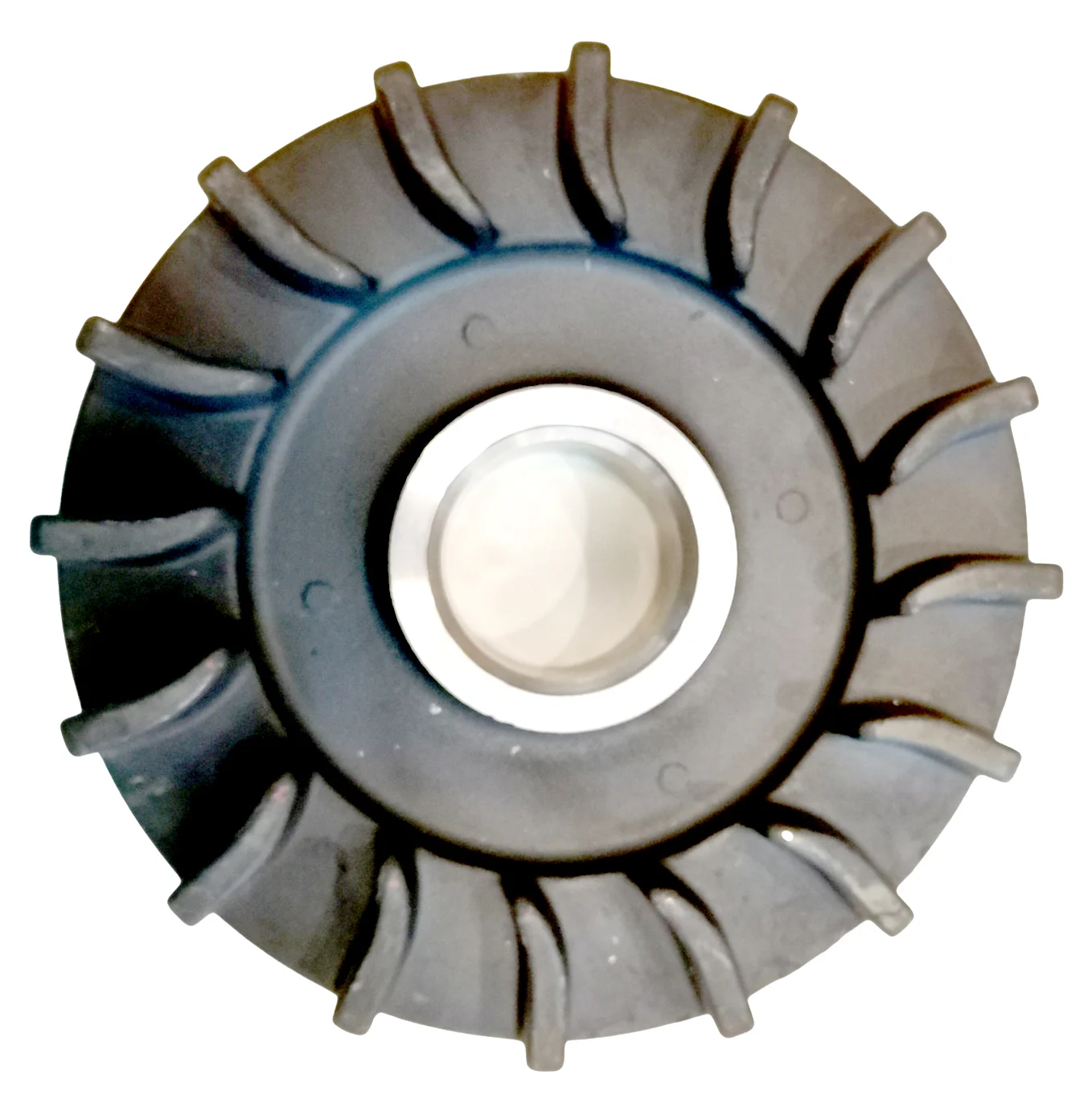
Pump Models: 3/2AH, 4/3AH and 6/4AH, both Metal & Rubber Lined. For more information please check below

Oct 31,25
CNSME: Your Trusted Slurry Pump ODM and OEM Provider
Feb 14,26
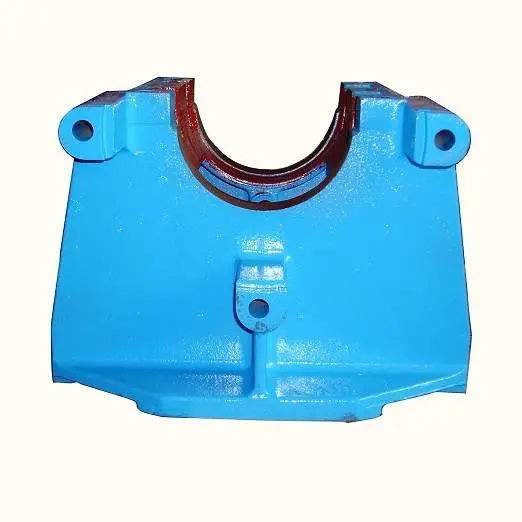
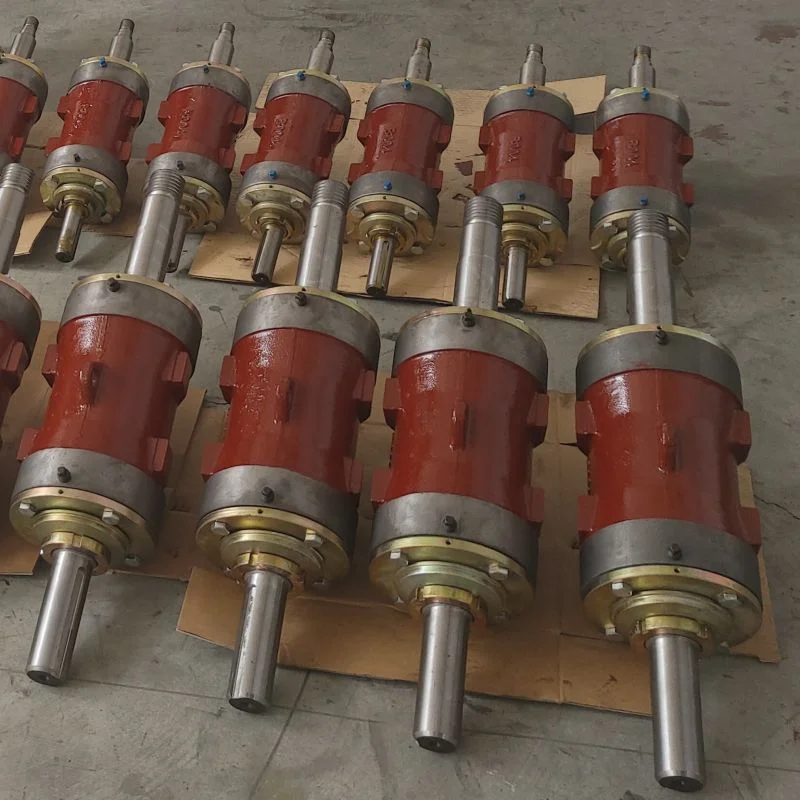
Optimizing Slurry Pump Bearing Assembly for Enhanced Industrial Performance
Slurry pump bearing assembly represents a critical component in numerous industrial processes, facilitating the reliable and efficient transfer of abrasive and corrosive materials. Its significance extends across diverse sectors, from mining and wastewater treatment to chemical processing and power generation. Understanding the intricacies of slurry pump bearing assembly is paramount for ensuring operational uptime, minimizing maintenance costs, and maximizing overall system performance. The correct assembly ensures longevity and prevents catastrophic failures, directly impacting productivity and safety. Globally, the demand for robust and dependable slurry pump solutions is continuously increasing, driven by expanding infrastructure projects, stricter environmental regulations, and the need for sustainable resource management. The United Nations Sustainable Development Goals, particularly those related to clean water and sanitation (SDG 6) and responsible consumption and production (SDG 12), indirectly rely on efficient slurry handling systems. A properly functioning slurry pump bearing assembly is thus vital in supporting these broader global objectives. Effective slurry pump bearing assembly isn't merely about assembling parts; it's a multifaceted engineering challenge demanding meticulous attention to detail, precise alignment, and the selection of appropriate materials.
Oct 31,25
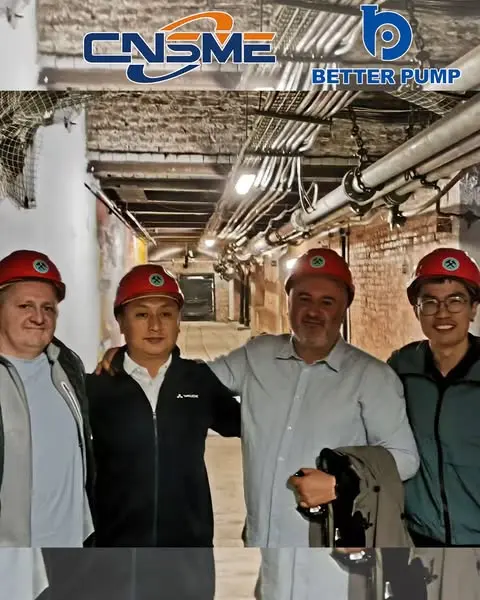
Why CNSME Slurry Pumps Are the Top Choice for Mineral Plants?
Oct 31,25
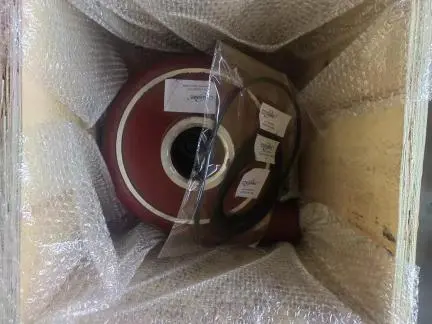
2QV-AF Vertical Froth Pump Spare parts are packed and shipped
Oct 31,25
2023 Turkey Mining and mining machinery Exhibition
bscribe newslette