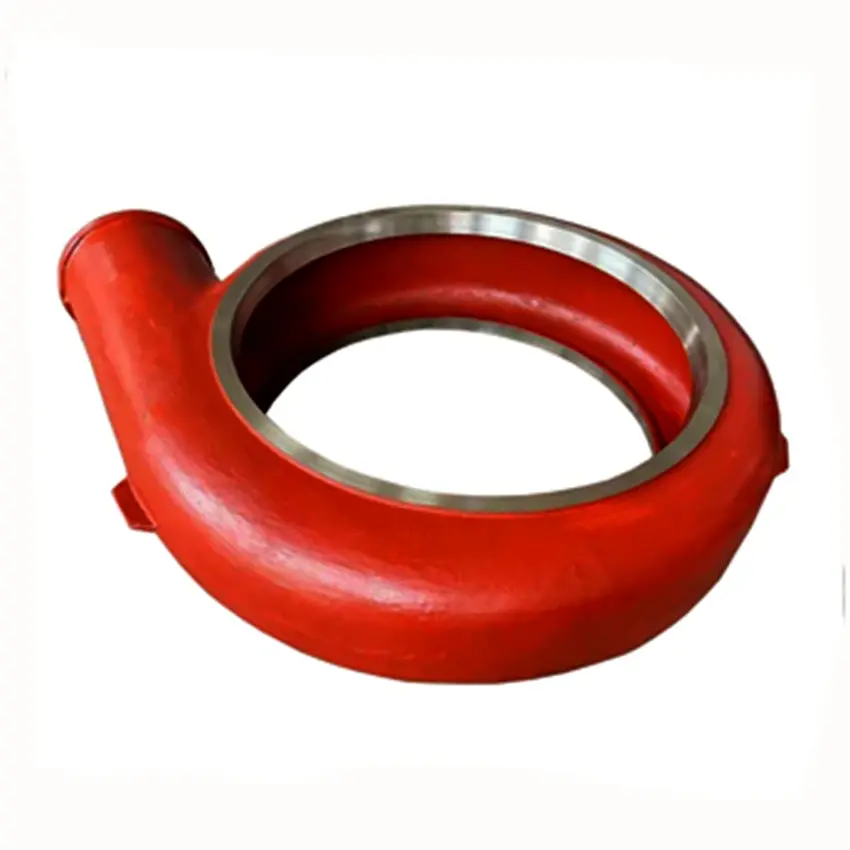
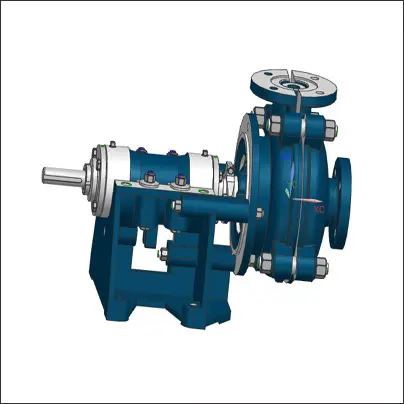
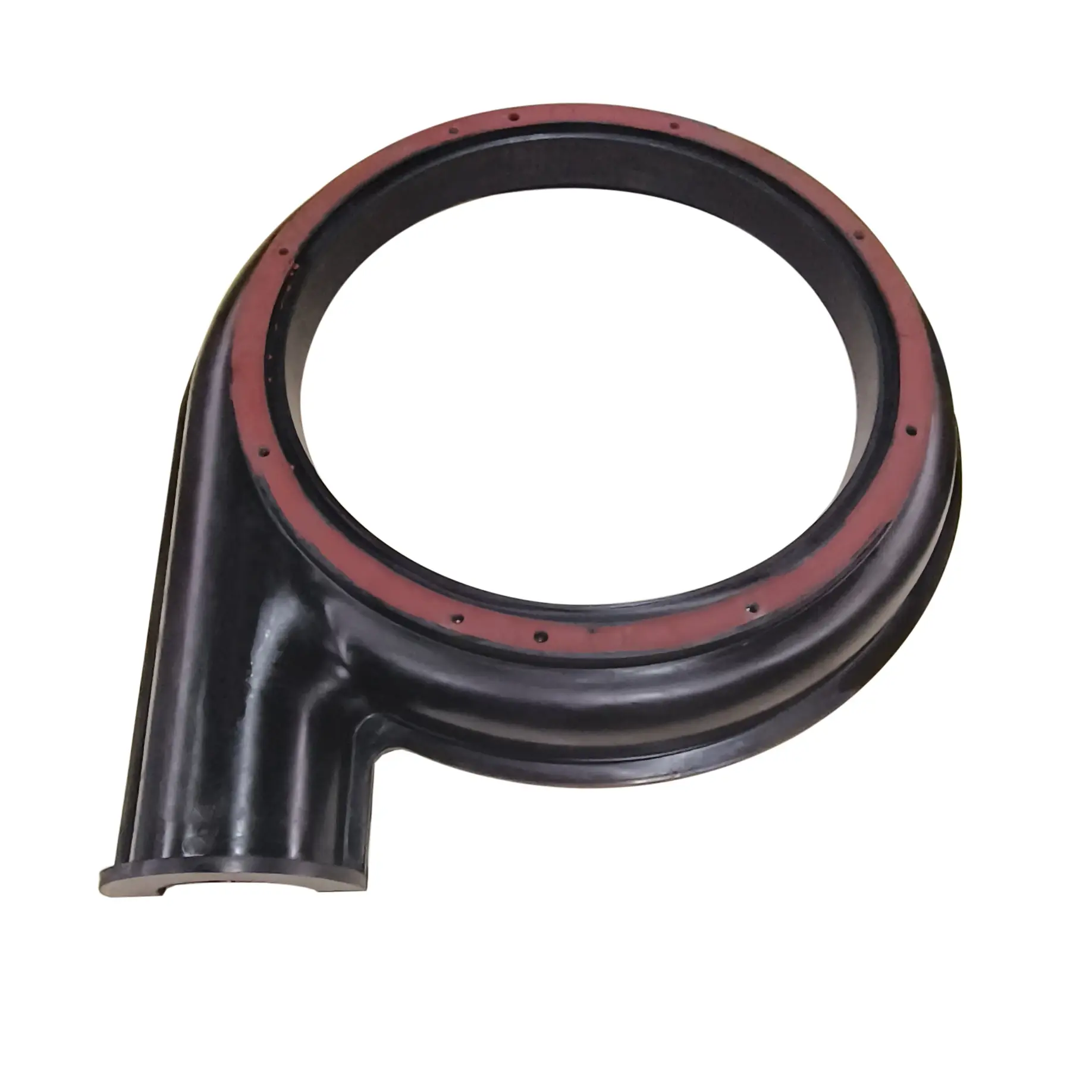
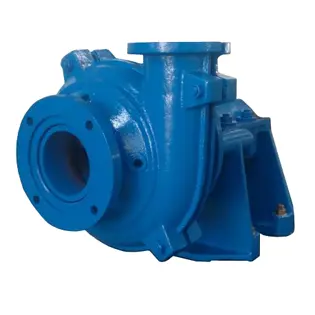
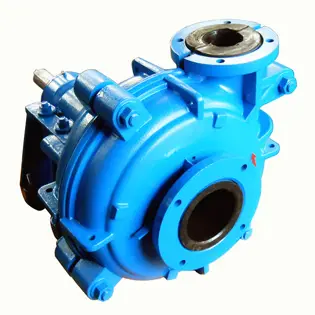
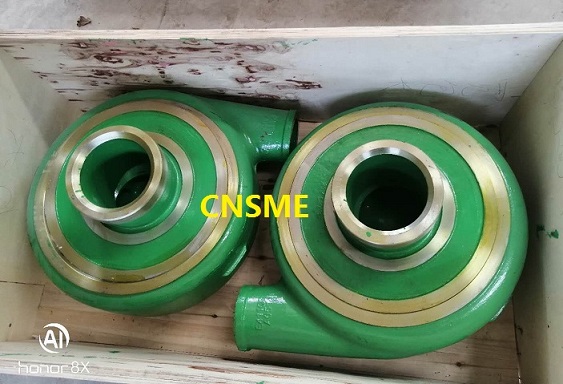
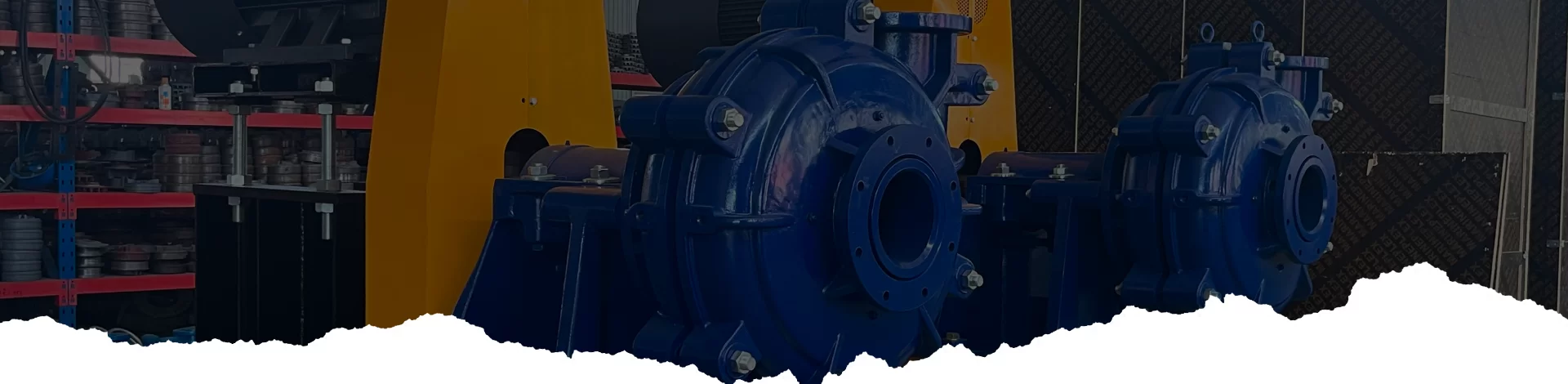
Pump Models: 3/2AH, 4/3AH and 6/4AH, both Metal & Rubber Lined.
For more information please check below links:
https://www.qualityslurrypump.com/slurry-pumps/
https://www.qualityslurrypump.com/pump-parts/

Oct. 31, 2025
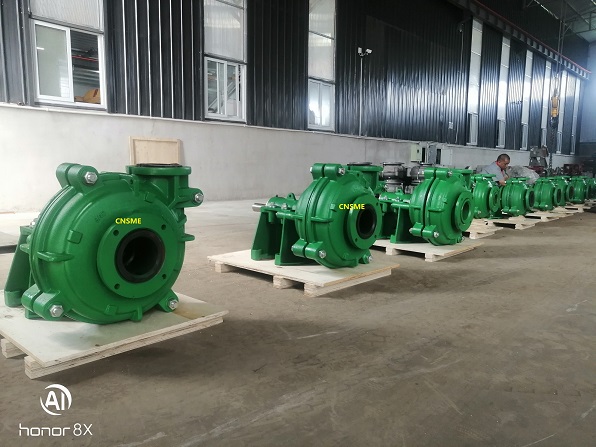
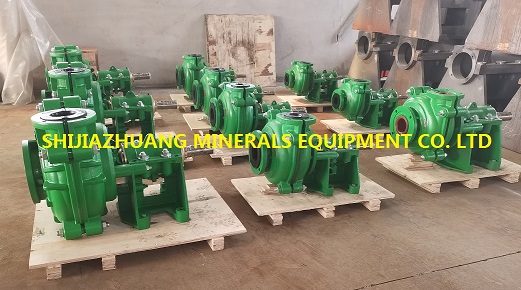
Pump Models: 3/2AH, 4/3AH and 6/4AH, both Metal & Rubber Lined.
For more information please check below links:
https://www.qualityslurrypump.com/slurry-pumps/
https://www.qualityslurrypump.com/pump-parts/
Feb 25,26
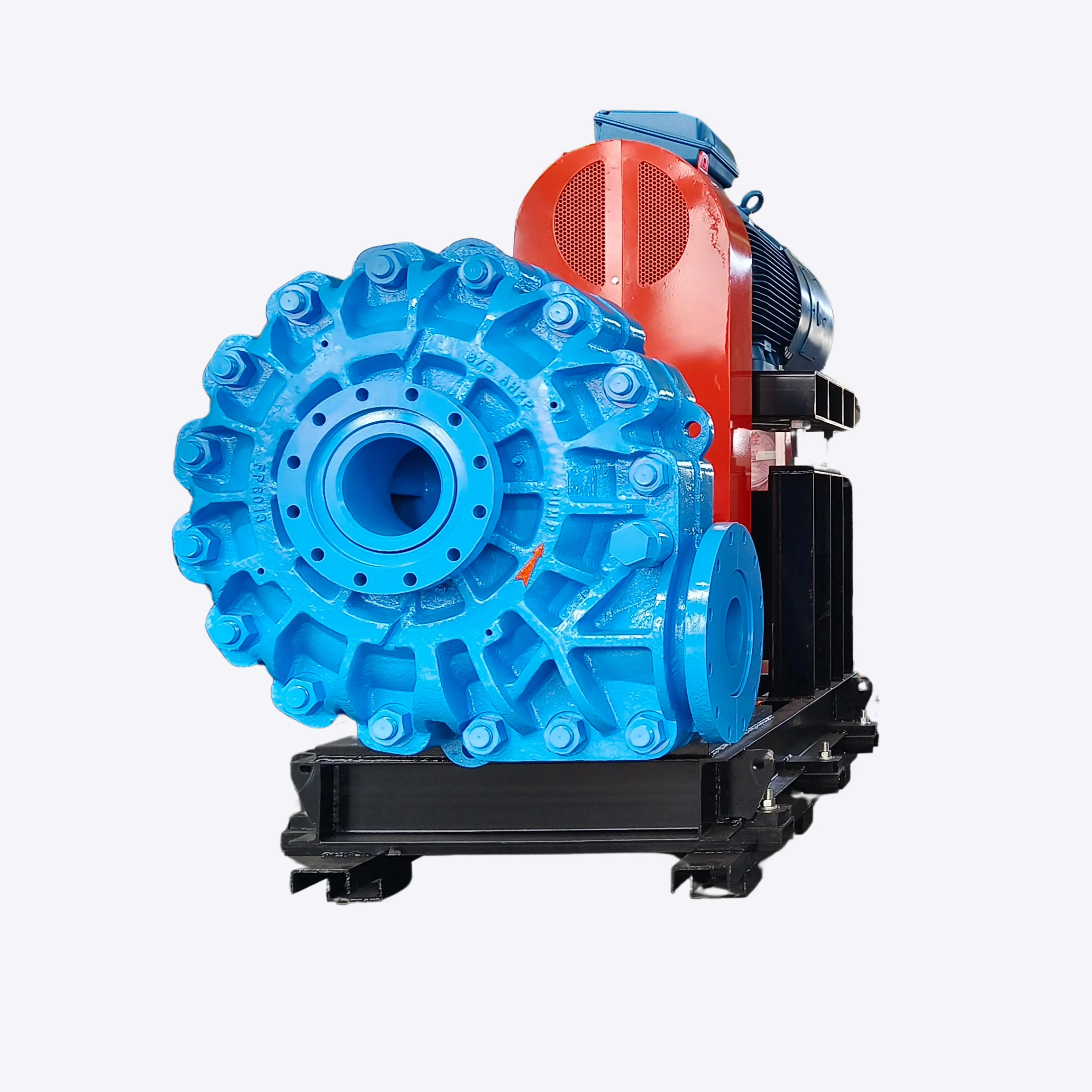
Optimizing Slurry Pump Performance for Efficient Gold Mining Operations
Feb 20,26
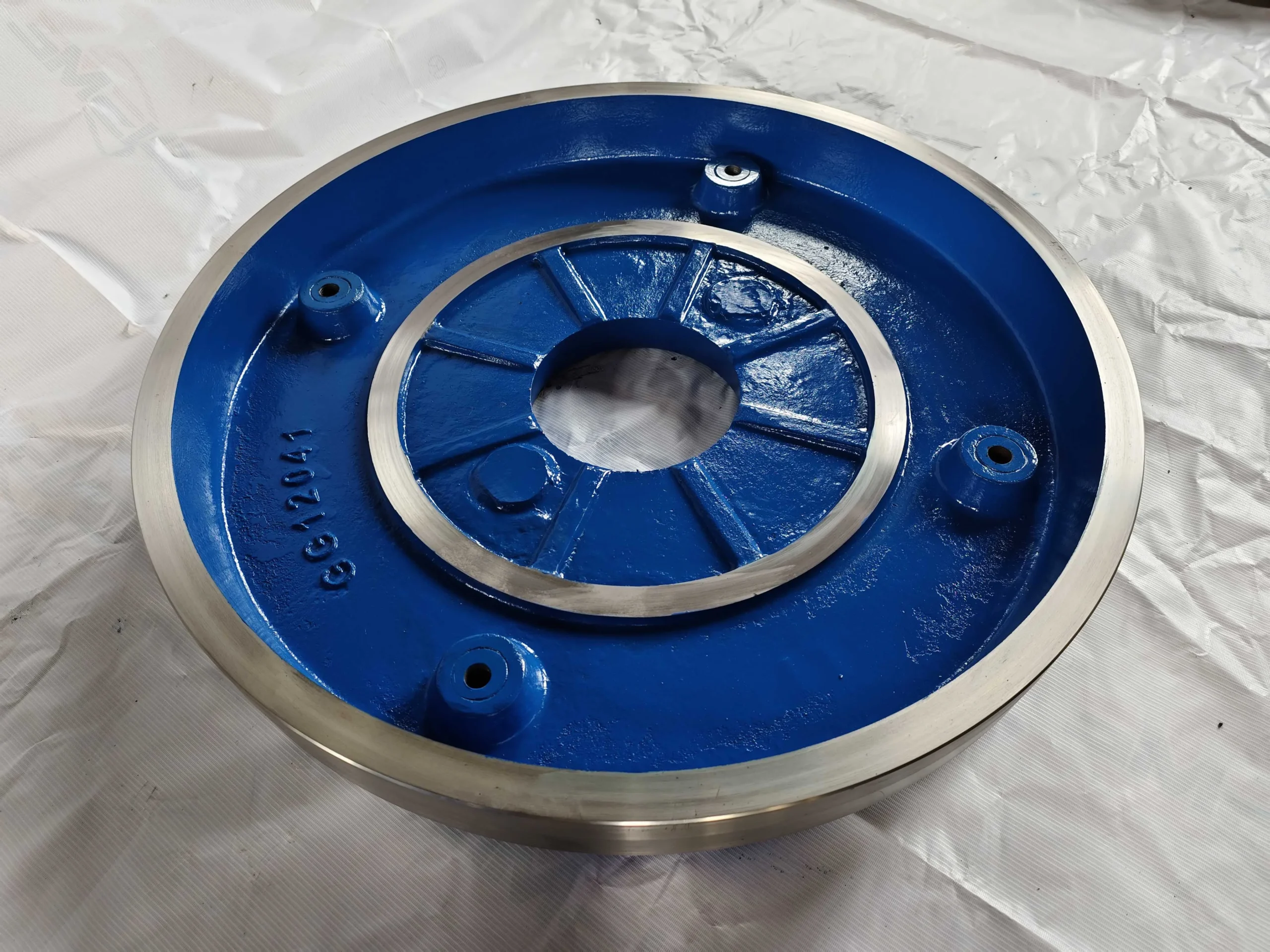
Optimizing Performance with High Chrome Alloy Slurry Pump Parts
Apr 04,26
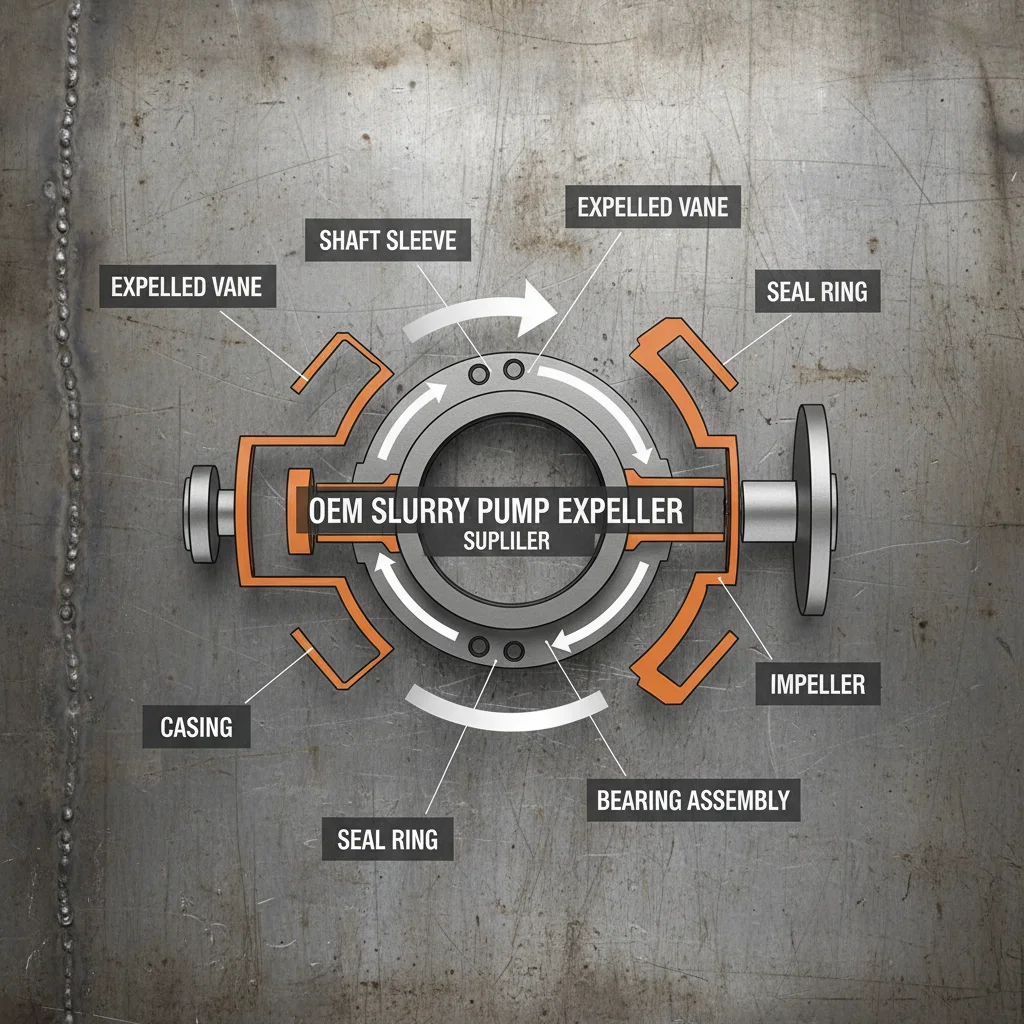
Expert OEM Slurry Pump Expeller Supplier for Optimal Pump Performance
Dec 08,25
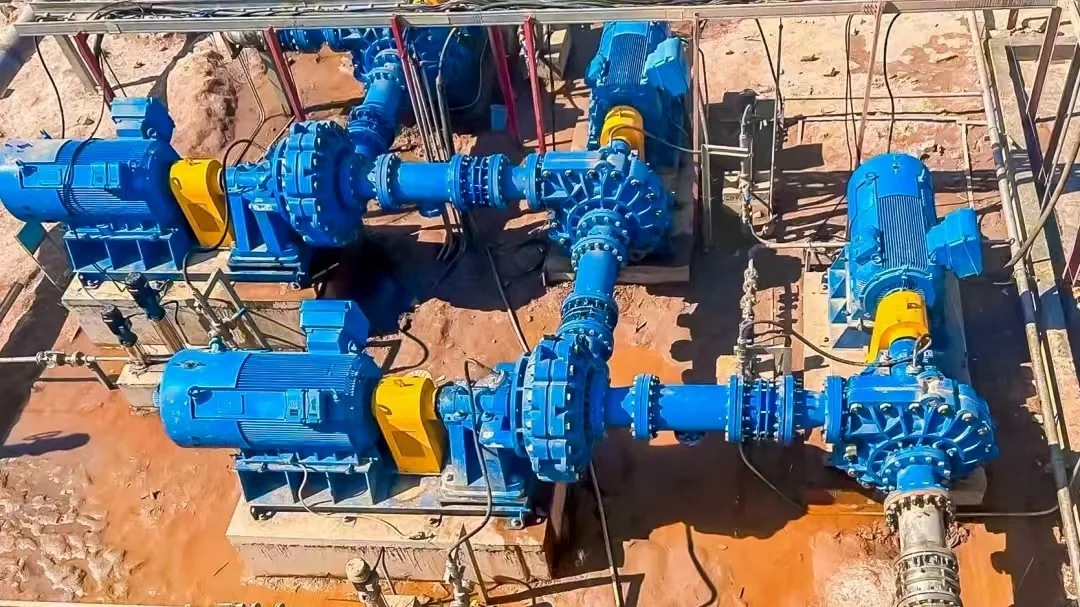
Series and Parallel Operation Modes for Slurry Pumps
Slurry pumps are designed to convey high-concentration, high-viscosity, corrosive media with substantial particulate content. For large volumes of highly viscous slurry, it is sometimes necessary to employ two or more slurry pumps to accomplish the task.
Oct 31,25
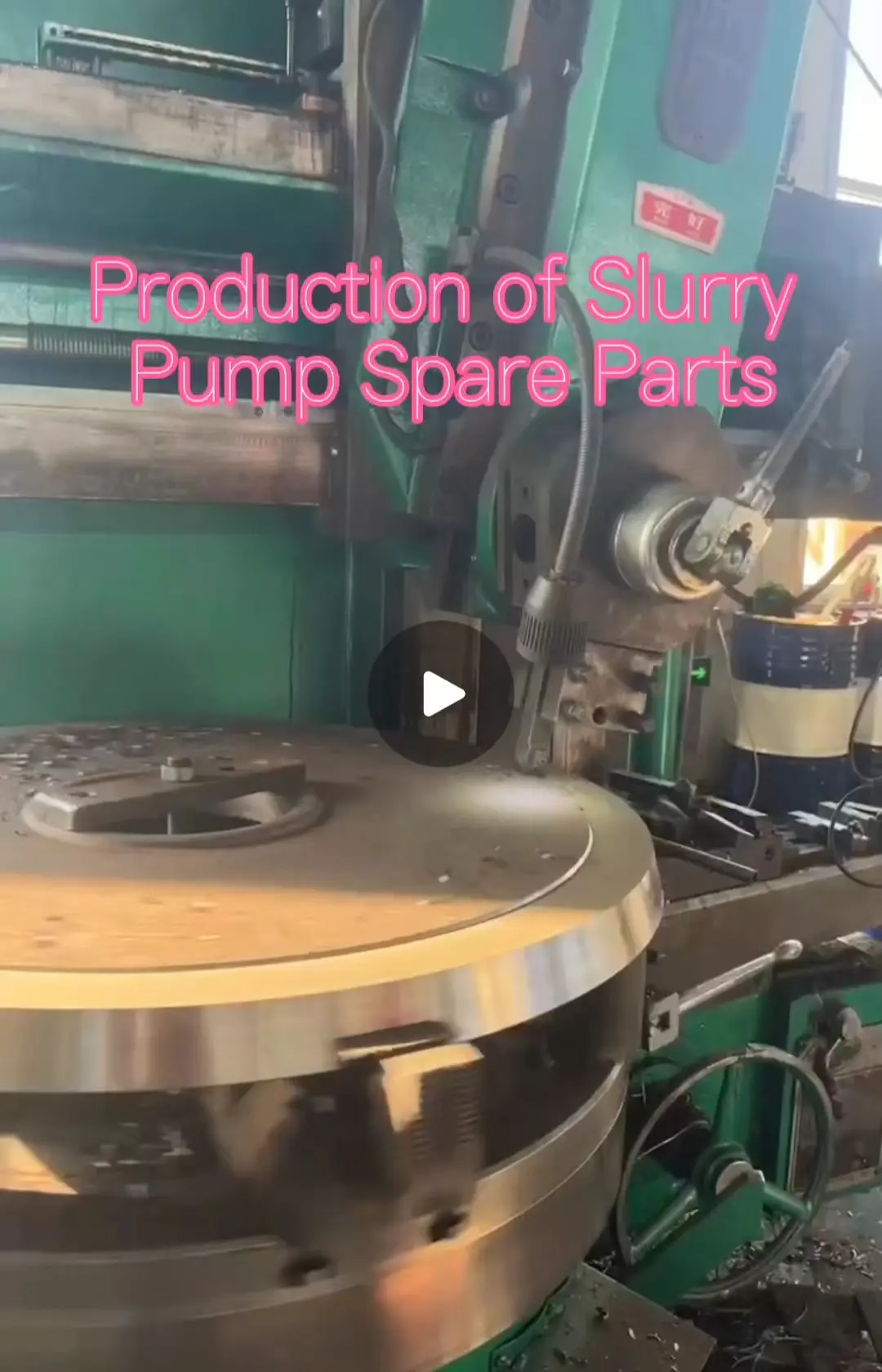
Slurry pump spare parts production process
Mar 14,26
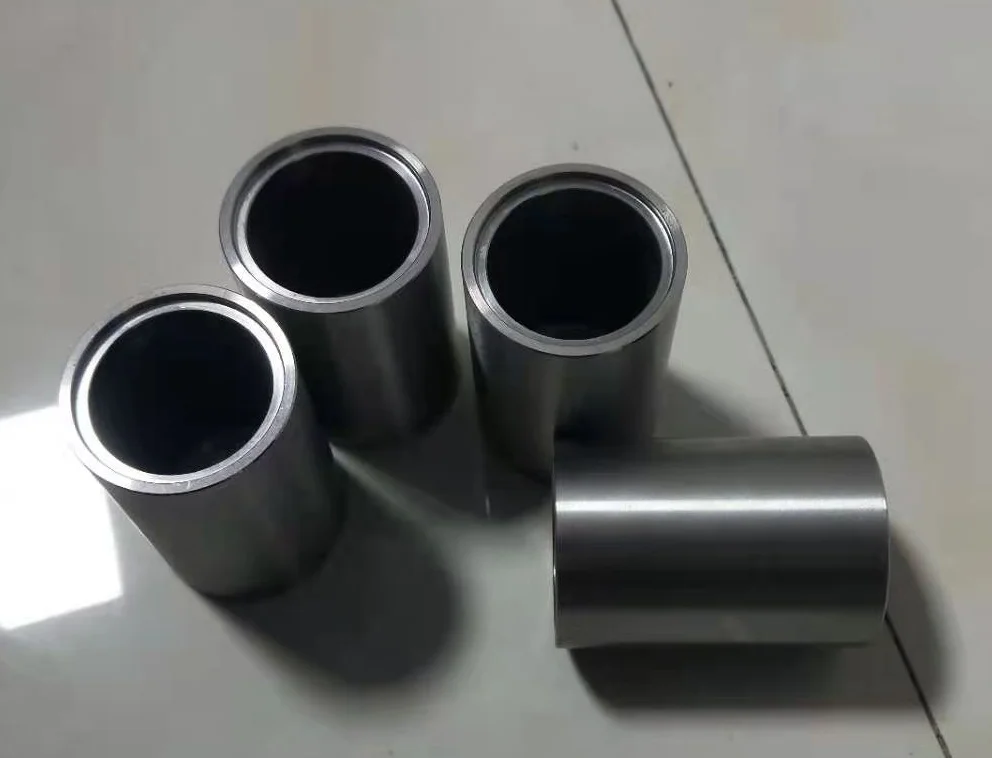
Find a Reliable China Slurry Pump Shaft Sleeve Supplier for Optimal Performance
When sourcing replacement parts for your slurry pump, the shaft sleeve is a critical component. A reliable China slurry pump shaft sleeve supplier ensures optimal pump performance, extends equipment lifespan, and minimizes downtime. At Quality Slurry Pump, we specialize in providing high-quality, durable shaft sleeves tailored to a wide range of slurry pump applications. Choosing the right supplier is crucial, and we'll explore the key considerations in this article. We aim to provide a comprehensive guide to understanding shaft sleeve specifications, materials, and the benefits of partnering with a trusted manufacturer. Slurry pump shaft sleeves are cylindrical components that fit over the pump shaft, protecting it from abrasive wear caused by the slurry being pumped. They are essential for maintaining the pump’s efficiency and preventing costly repairs. The sleeve wears out instead of the shaft, offering significant cost savings in the long run. Different applications require different materials and designs, depending on the slurry’s composition, particle size, and concentration.
bscribe newslette