Dec. 08, 2025
I. Series and Parallel Operation Modes for Two Slurry Pumps
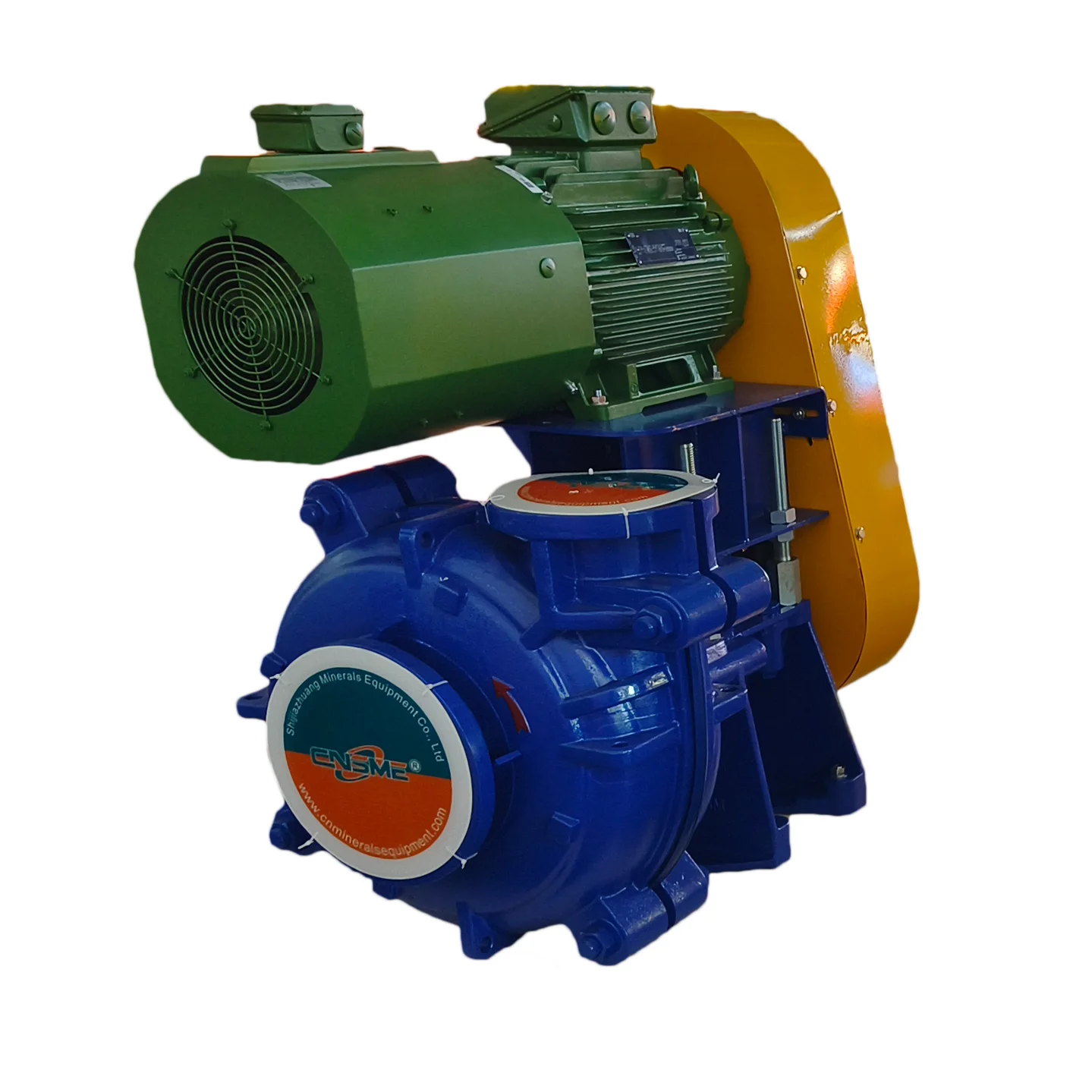
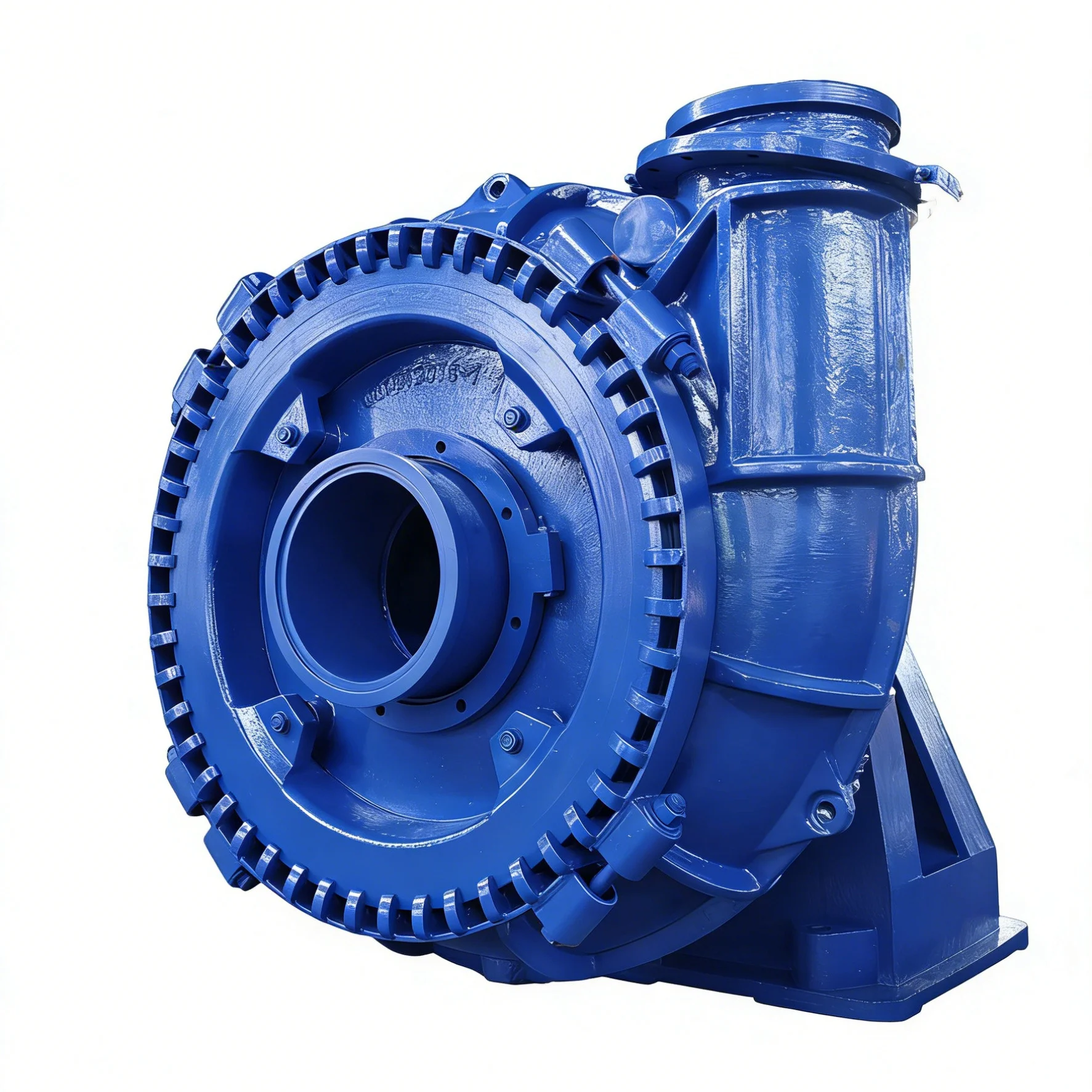
Slurry pumps are designed to convey high-concentration, high-viscosity, corrosive media with substantial particulate content. For large volumes of highly viscous slurry, it is sometimes necessary to employ two or more slurry pumps to accomplish the task.
In practical applications, two slurry pumps can operate in either series or parallel configurations:
1. Series Configuration: Two slurry pumps are arranged sequentially, connecting the outlet of the first pump to the inlet of the second pump to achieve continuous conveyance.
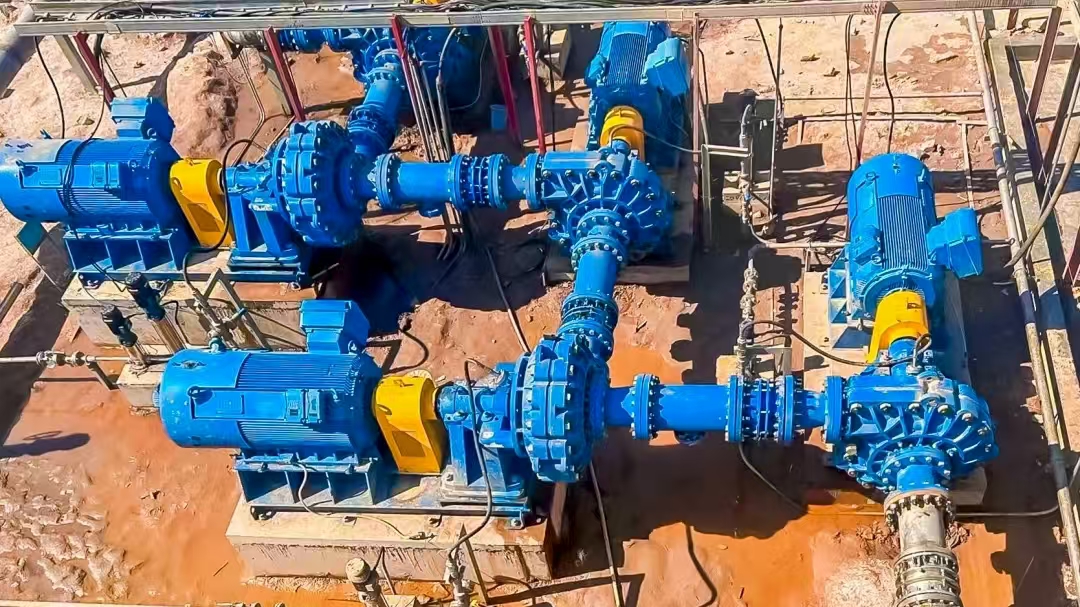
2. Parallel Configuration: The outlets of two slurry pumps are connected in parallel within the same pipeline, simultaneously supporting the same conveyance task to increase flow rate and pressure.
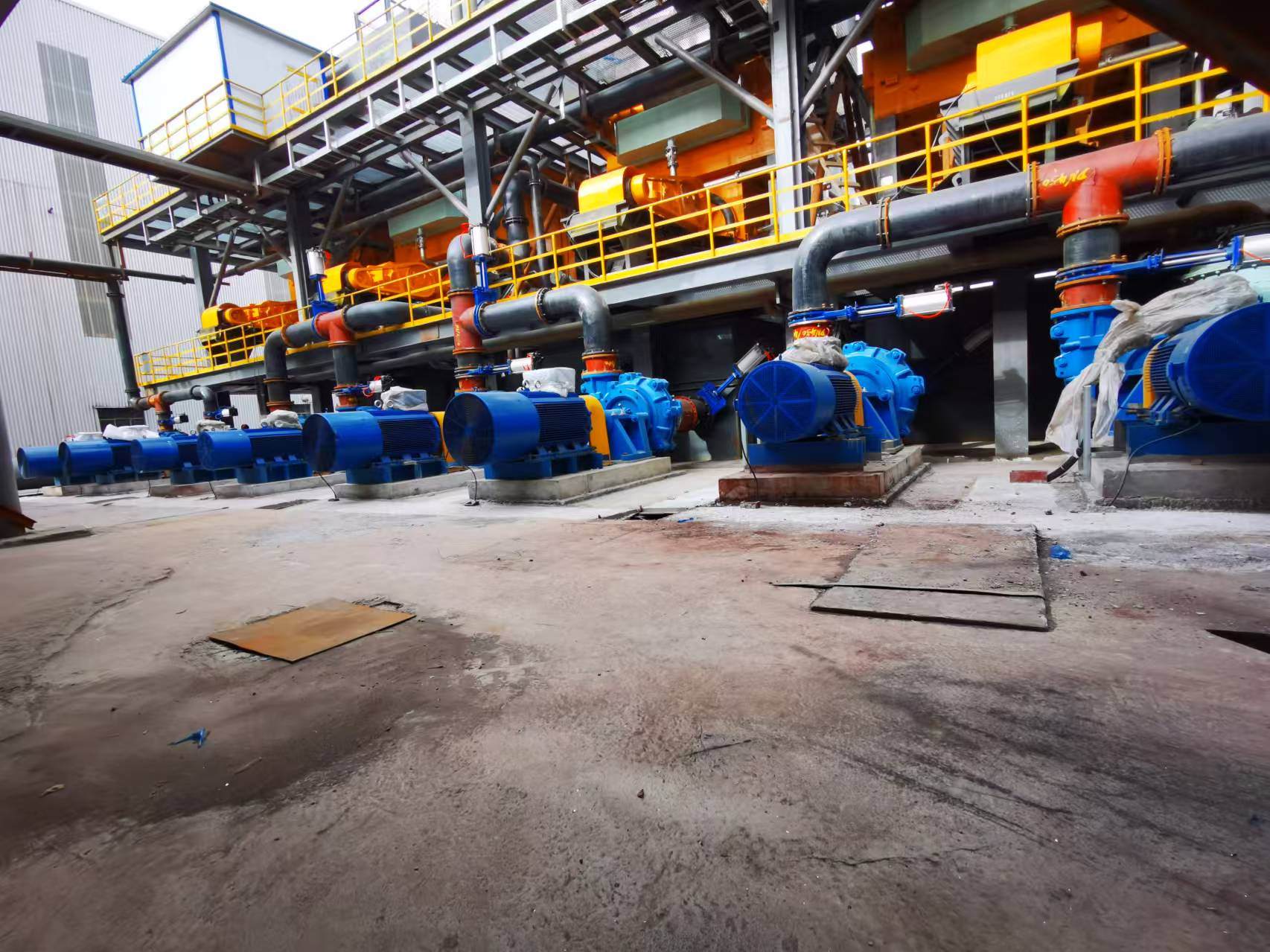
II. Situations Where Two Slurry Pumps Can Operate Simultaneously
Generally, the parallel configuration is more common, enabling cooperative operation for higher throughput and efficiency. However, the series configuration can also achieve efficient conveyance under the following conditions:
1. When conveying highly concentrated slurry media, the series configuration allows for longer conveyance distances, preventing pump clogging and failure due to excessive concentration.
2. For low-concentration, low-viscosity slurry media, series connection increases delivery pressure and enhances efficiency.
Note: When operating two pumps in parallel, ensure identical performance parameters. Mixing different models or mismatched parameters may cause pump failure and damage.
III. Precautions
When using two slurry pumps for delivery operations, observe the following:
1. Select the appropriate operating mode: Parallel operation is suitable for conveying large volumes of medium over short distances, while series operation is suitable for conveying high-concentration, high-viscosity medium over long distances.
2. Ensure both pumps have identical performance parameters. Operating pumps of different models or with inconsistent parameters in parallel may cause pump damage and failure.
3. Conduct regular inspections and maintenance to keep the pumps in proper working condition, ensuring conveying efficiency and quality.
【Conclusion】Two slurry pumps can operate simultaneously. Selecting different operating modes enables more efficient, longer-distance, and higher-capacity slurry conveyance. When choosing two pumps for combined operation, select pumps with similar performance characteristics and select the appropriate operating mode based on specific conditions. Regular inspection and maintenance of pump status are also critical to ensuring conveyance efficiency and quality.
Apr 06,26
China Slurry Pump Factory Global Solutions for Industrial Pumping Needs
Mar 25,26
Comprehensive Slurry Pump Selection Guide for Optimal Performance and Reliability

Oct 31,25
Professional Slurry Pump Supplier from China
We are a professional slurry pump supplier based in Shijiazhuang, China, wither over a decade's experience.
Mar 27,26
Comprehensive Guide to Slurry Pump Sealing Types and Effective Solutions
Oct 31,25
Mar 23,26
Why Slurry Pump Efficiency Is Generally Lower Than That of Clear Water Pumps
Slurry pumps are essential equipment for transporting solid-liquid mixtures in heavy industries such as mining, metallurgy, electric power and dredging. However, their efficiency is generally lower than that of clear water pumps—with clear water pumps usually reaching 75%~90% and slurry pumps around 60%~75% or even lower. This article elaborates on the key factors leading to the efficiency gap, including differences in transport medium characteristics, structural design features and wear factors, providing a clear understanding of the performance differences between the two types of pumps.
bscribe newslette