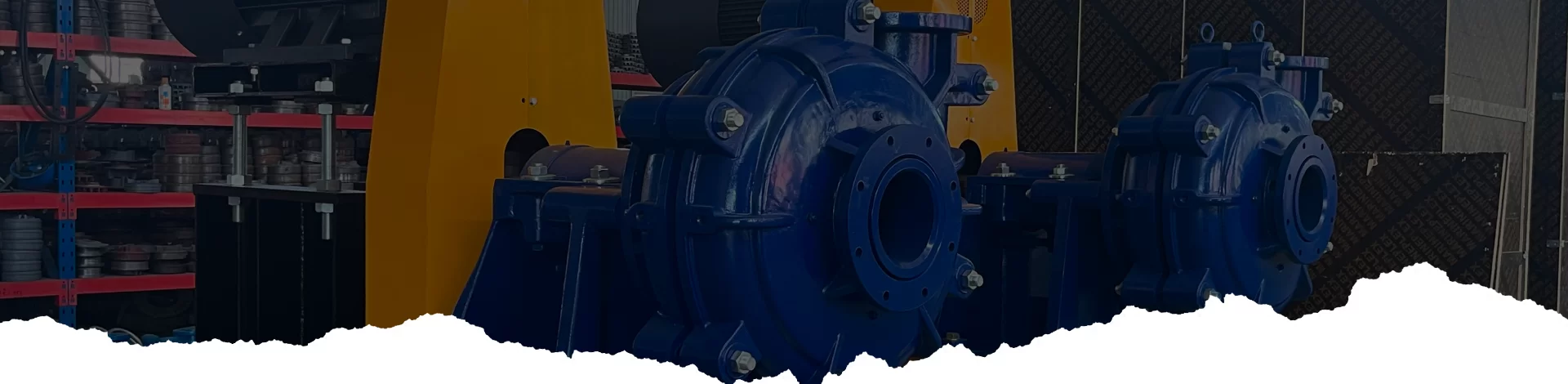
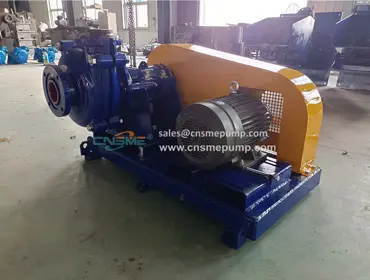
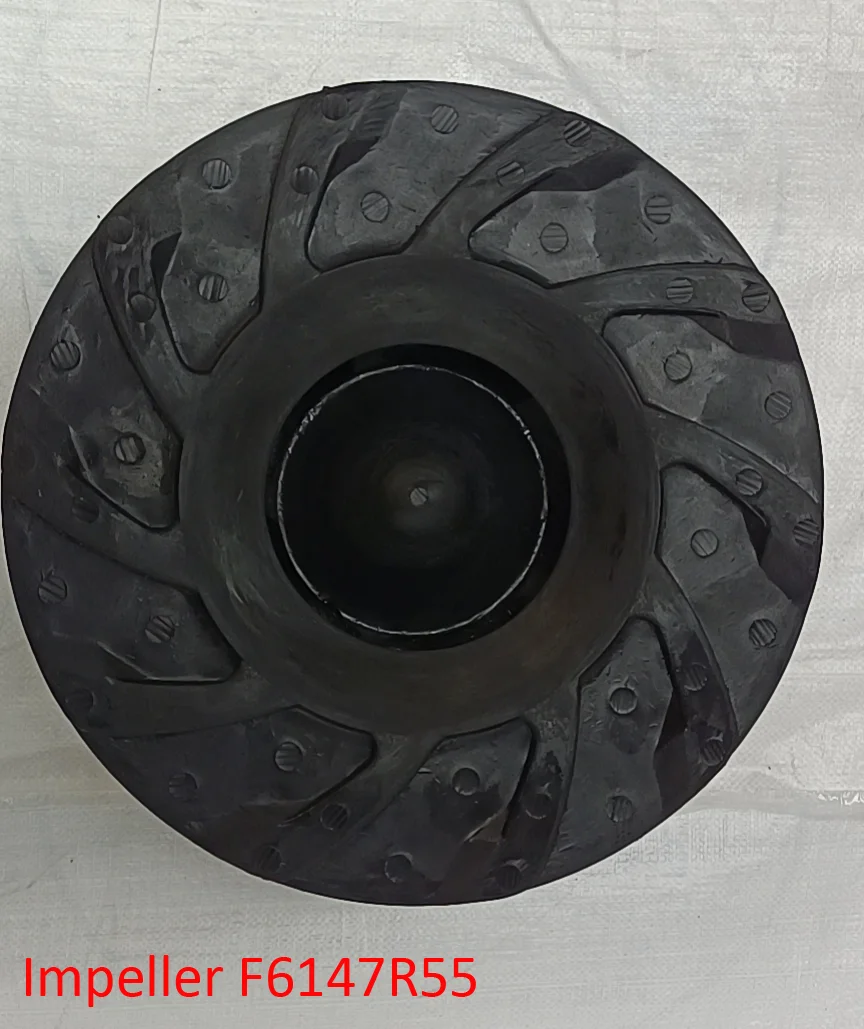
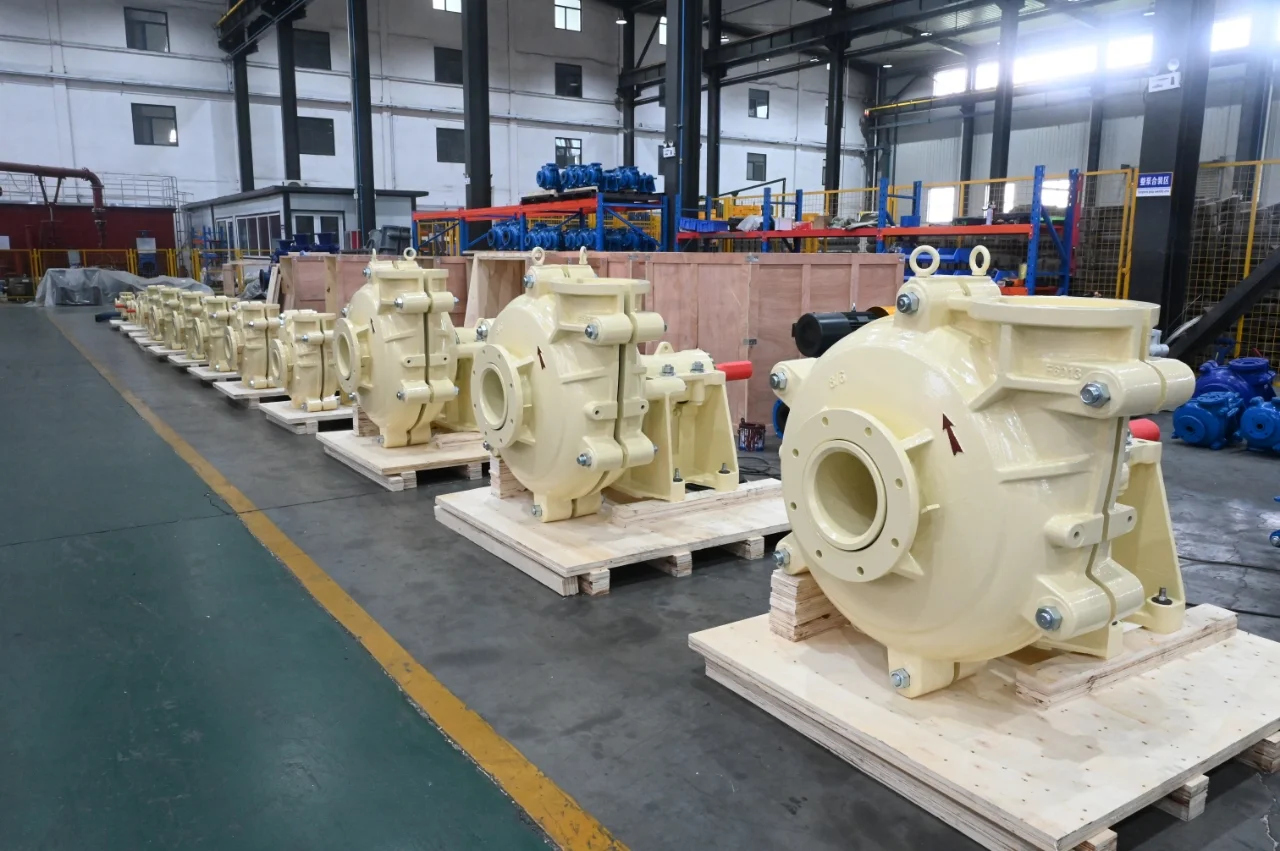
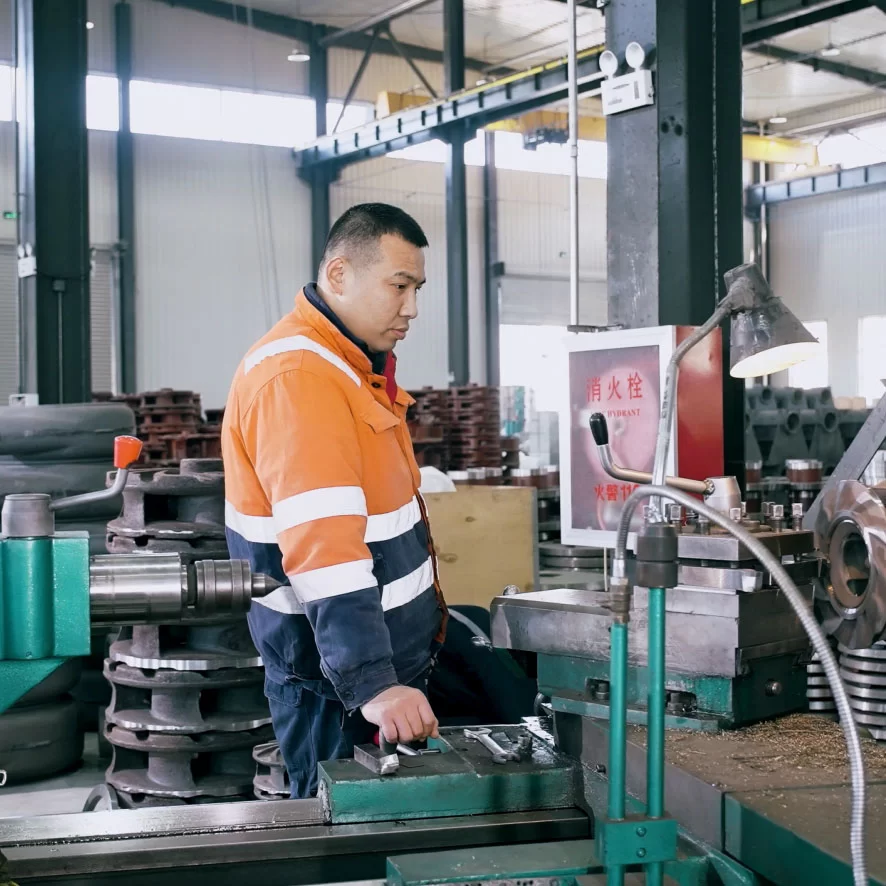
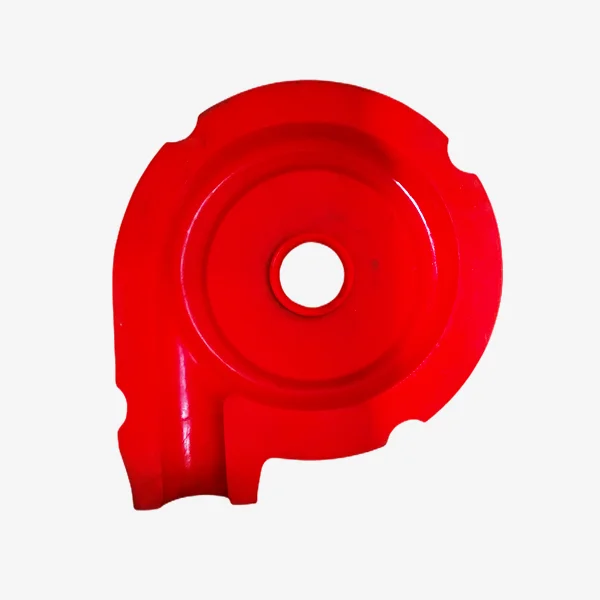
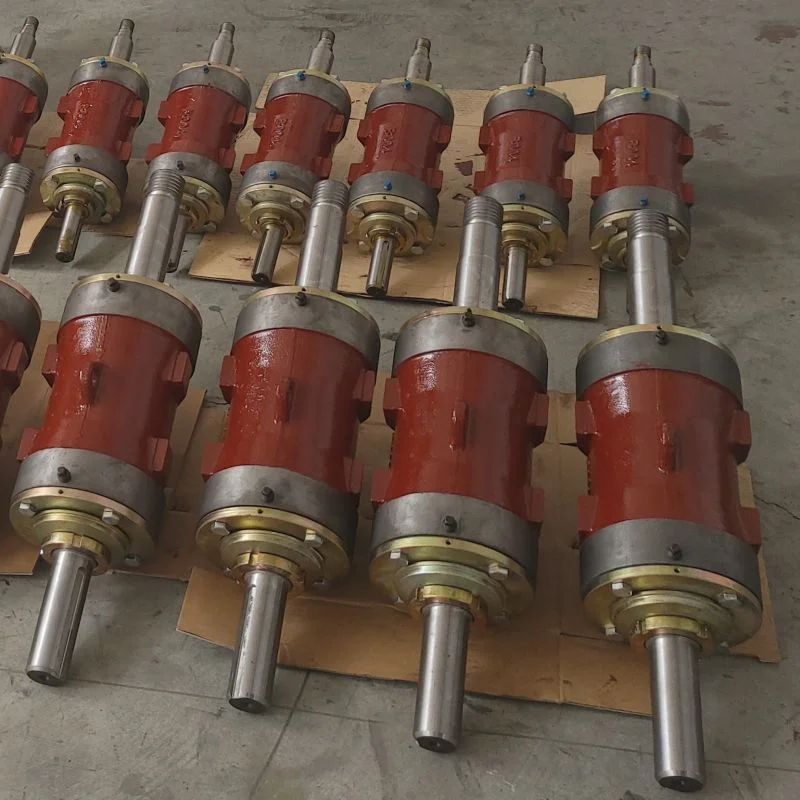
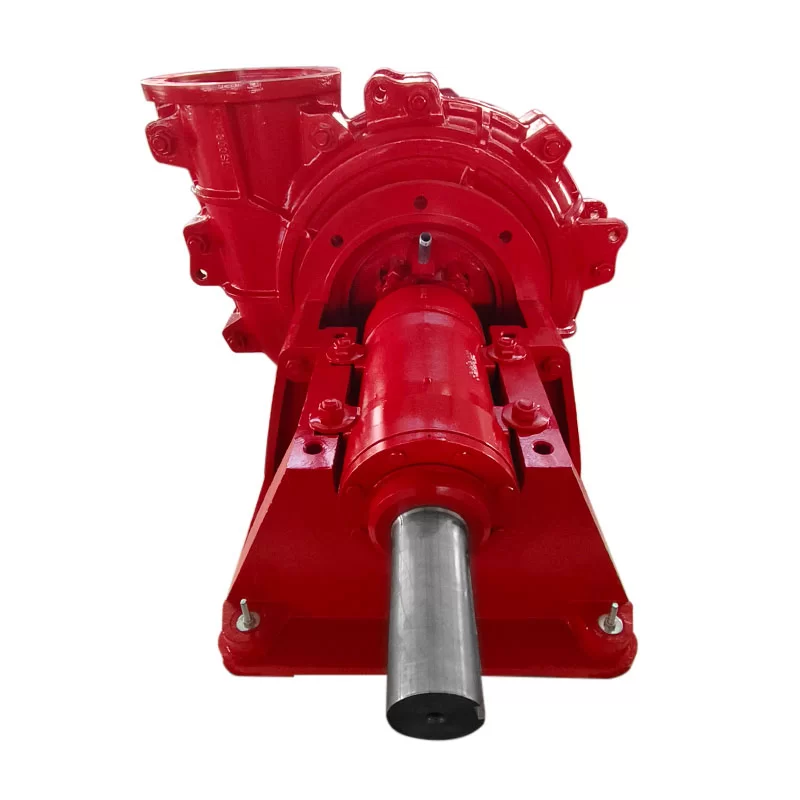
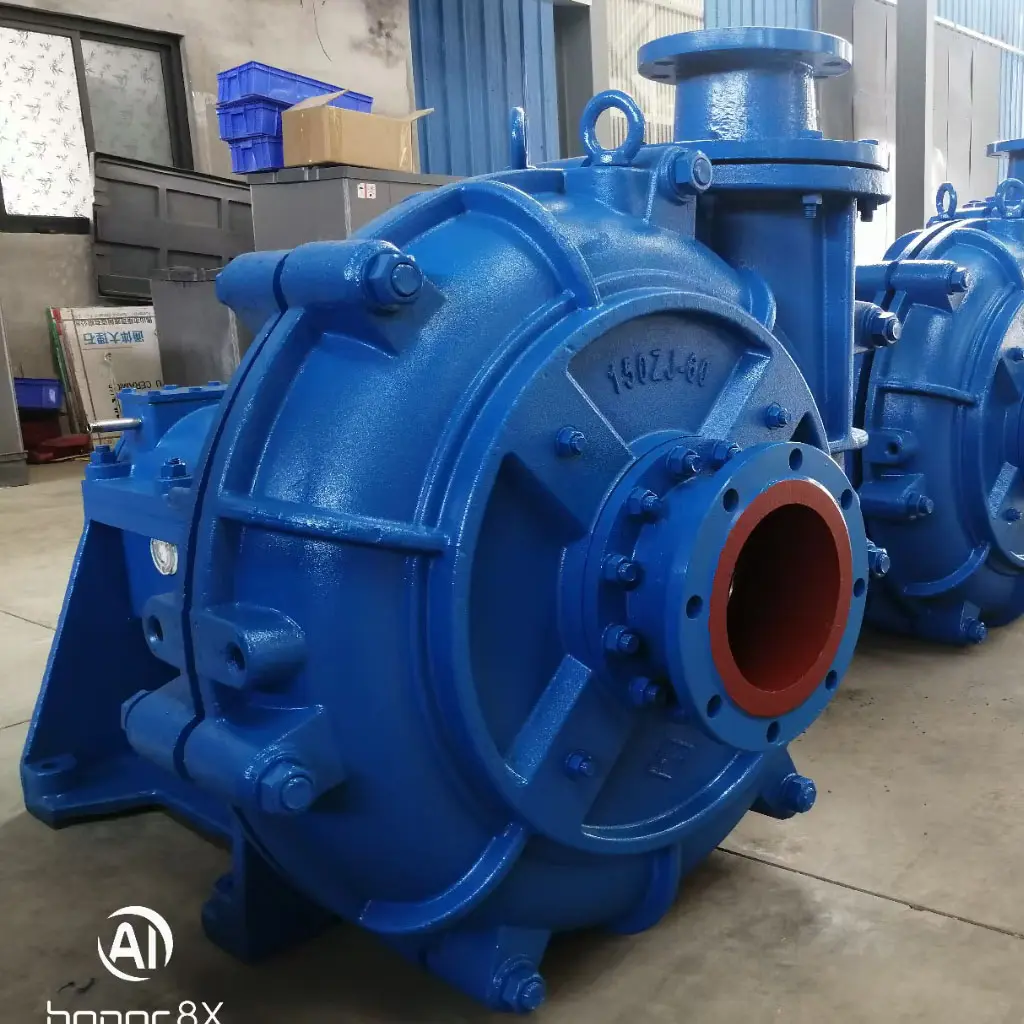
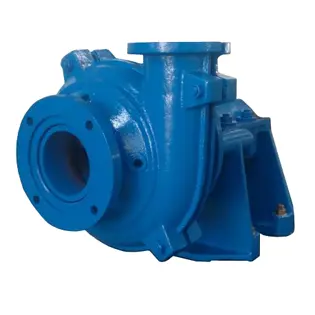
The slurry pump is composed of various spare parts, and how to manufacture each spare part, today we will look at the production process of spare parts.

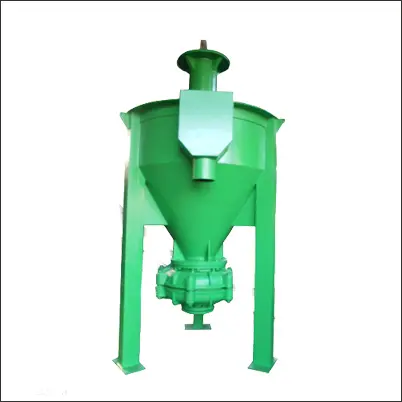
the G (GH) series are used on a cutter suction dredger for pumping large particles of gravel; AH series of pumps were improved for sludge discharge relay pump;
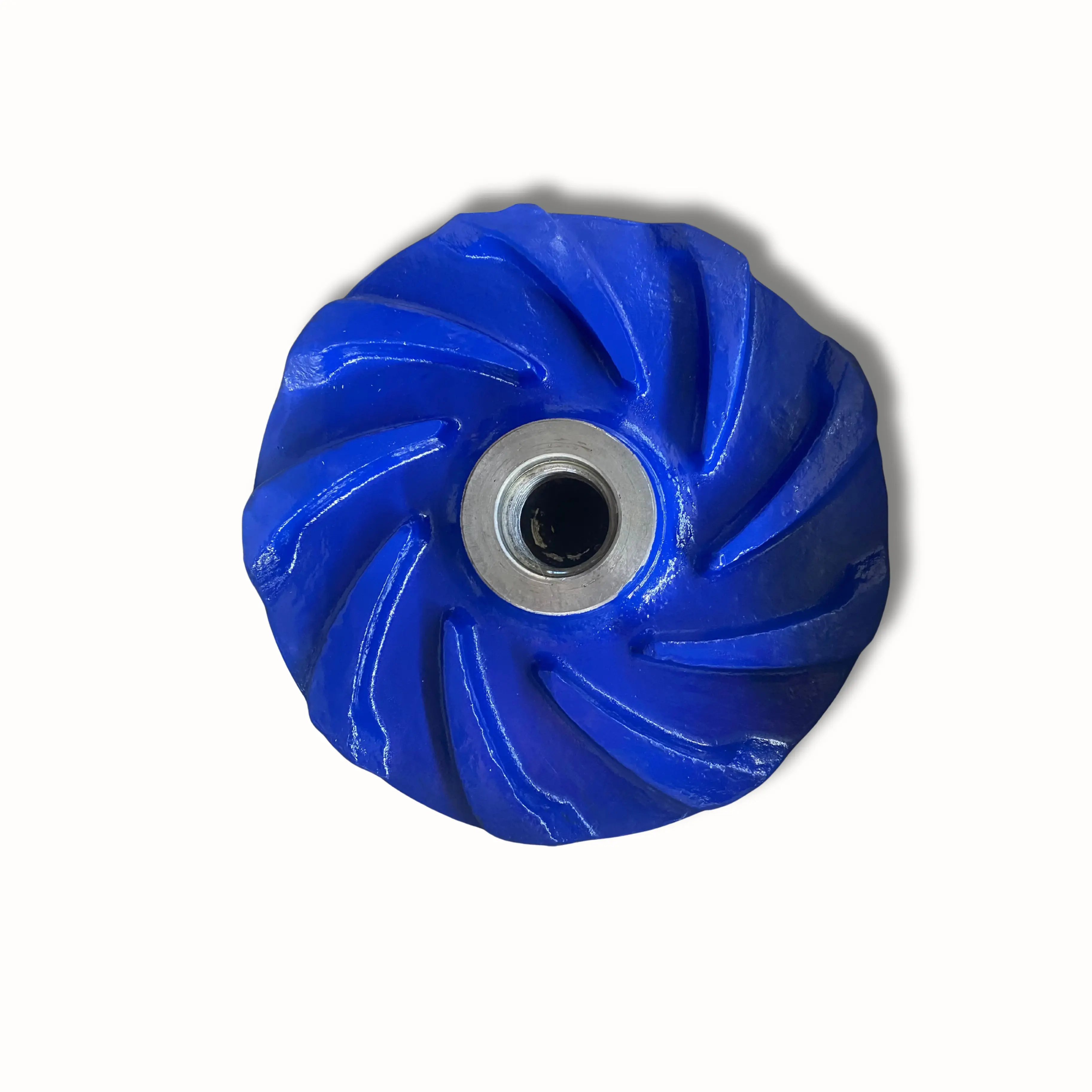
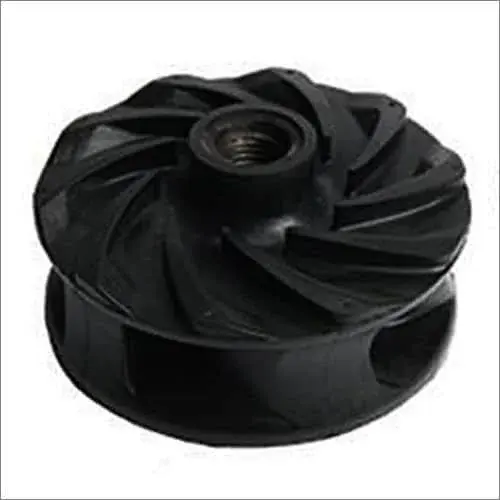
Slurry pump impeller factories are the backbone of numerous industries, from mining and wastewater treatment to agriculture and chemical processing. These facilities don’t just manufacture components; they engineer solutions to handle abrasive and corrosive materials, ensuring the efficient and reliable transport of slurries. The demand for robust and specialized impellers is globally increasing, driven by expanding infrastructure projects and stricter environmental regulations requiring effective waste management. Understanding the intricacies of slurry pump impeller factory operations, from material science to manufacturing processes, is crucial for optimizing performance and minimizing downtime in critical applications. The global slurry pump market, and consequently the demand from slurry pump impeller factory operations, is experiencing significant growth. Market reports estimate a multi-billion dollar valuation with consistent expansion predicted over the next decade. This surge is fueled by infrastructural developments in emerging economies, particularly in Asia-Pacific, and the increasing need for efficient and sustainable resource management. ISO standards and stringent industry regulations emphasize the importance of high-quality impeller designs and manufacturing processes, requiring specialized expertise within slurry pump impeller factory settings.
Efficient material handling in the mining and mineral processing sectors often hinges on the ability to move complex fluids. In these environments, the demand for a specialized slurry pump for slurry transfer is critical, as the materials being moved are rarely simple liquids but rather abrasive mixtures of solids and water. Across global industrial landscapes, from copper mines in Chile to gold processing plants in Australia, the challenge of maintaining steady flow without excessive equipment wear remains a constant struggle. The integration of high-performance pumping systems is not just a matter of operational efficiency but a necessity for maintaining safety and productivity in harsh environments.
In the demanding world of industrial fluid transport, the efficiency of moving abrasive materials depends heavily on the resilience of pump internals. A rubber impeller for slurry pump applications represents a critical intersection of material science and mechanical engineering, designed to handle the punishing friction of mineral slurries. Whether in mining or power generation, choosing the right impeller material is the difference between continuous operation and costly unplanned downtime. Globally, the demand for high-performance slurry handling has surged as mining operations push into deeper, more abrasive ore bodies. The industry is shifting toward components that can balance the hardness of alloys
Slurry pumps for copper mine operations are critical components in the extraction and processing of this vital metal. The global demand for copper, driven by industrialization, renewable energy technologies, and infrastructure development, necessitates efficient and reliable slurry pumping systems. These pumps handle abrasive and corrosive mixtures of water and copper ore, tailings, and other materials throughout the mining lifecycle. Understanding the nuances of slurry pump selection, maintenance, and optimization is essential for maximizing copper production, minimizing operational costs, and ensuring environmental compliance. The copper mining industry faces unique challenges regarding slurry transport. Ore slurries are highly abrasive, leading to rapid wear of pump components. The chemical composition of the ore and processing reagents can cause corrosion. Moreover, the sheer volume of slurry that needs to be moved—often over long distances and significant elevation changes—demands robust and energy-efficient pump solutions.
In the demanding environment of industrial mineral processing, the efficiency of fluid transport depends heavily on the integrity of every single component. A slurry pump coupling serves as the critical mechanical link that transmits power from the driver to the pump shaft, ensuring that the energy required to move abrasive materials is delivered smoothly and consistently. Across global mining and construction sectors, the failure of a coupling can lead to catastrophic downtime and expensive repairs. Understanding the nuances of how a slurry pump coupling manages misalignment and vibration is essential for engineers looking to maximize the lifespan of their equipment