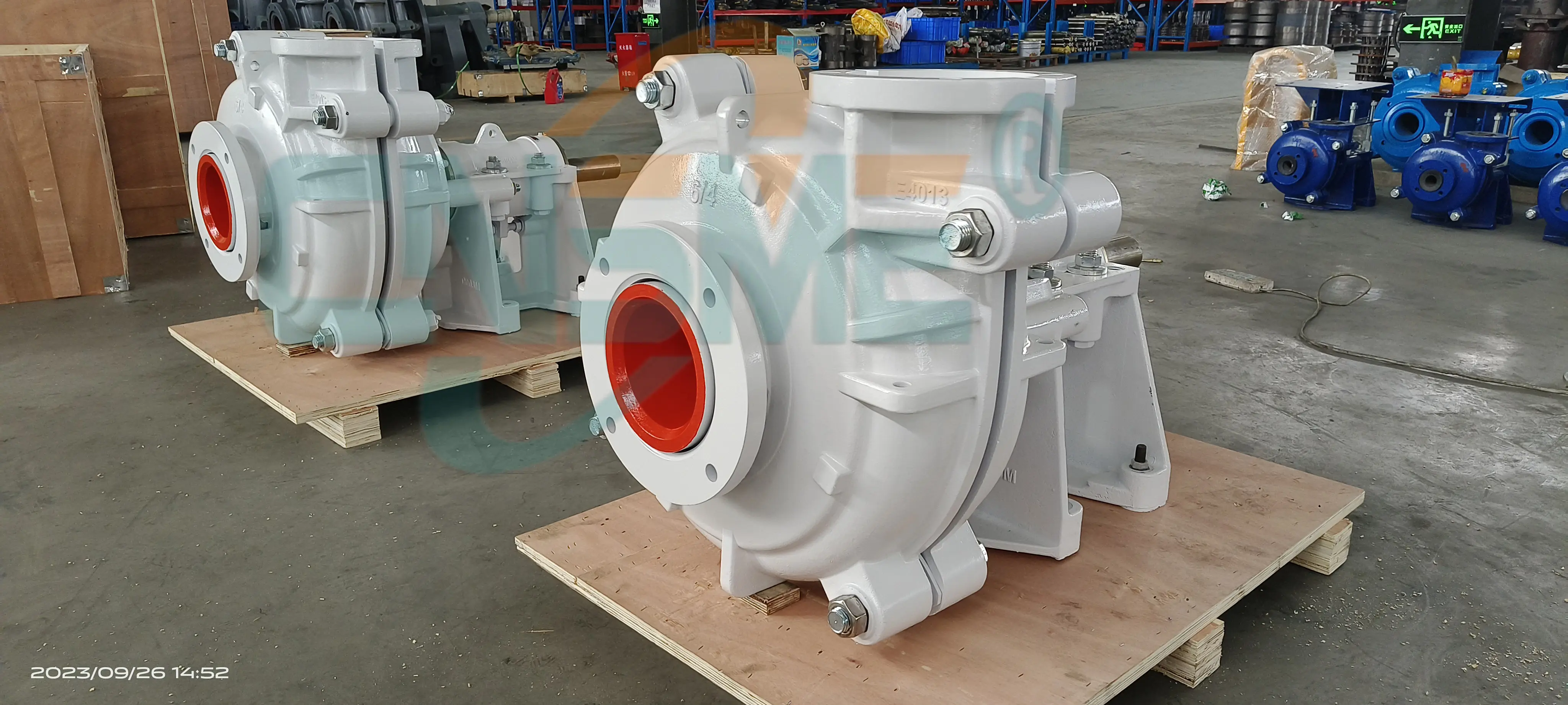
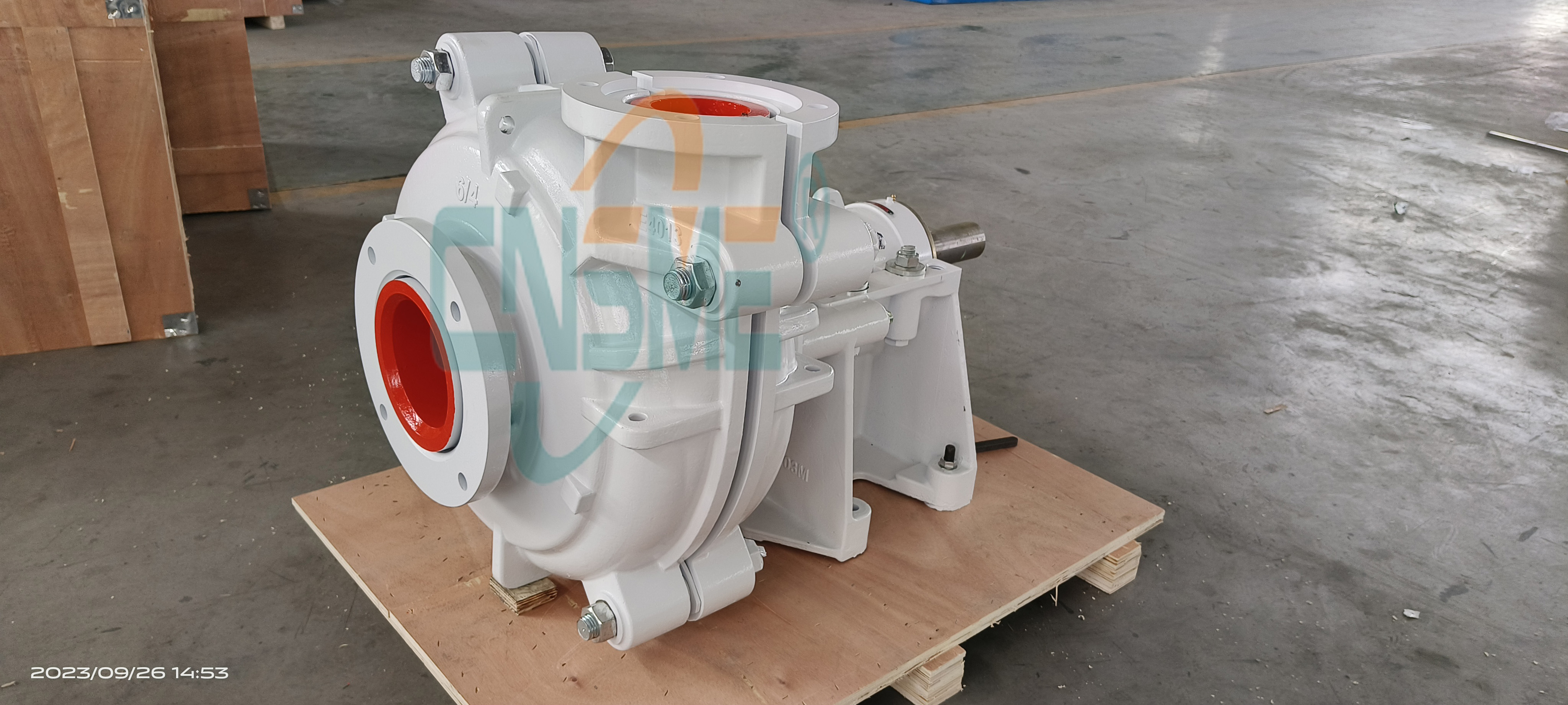
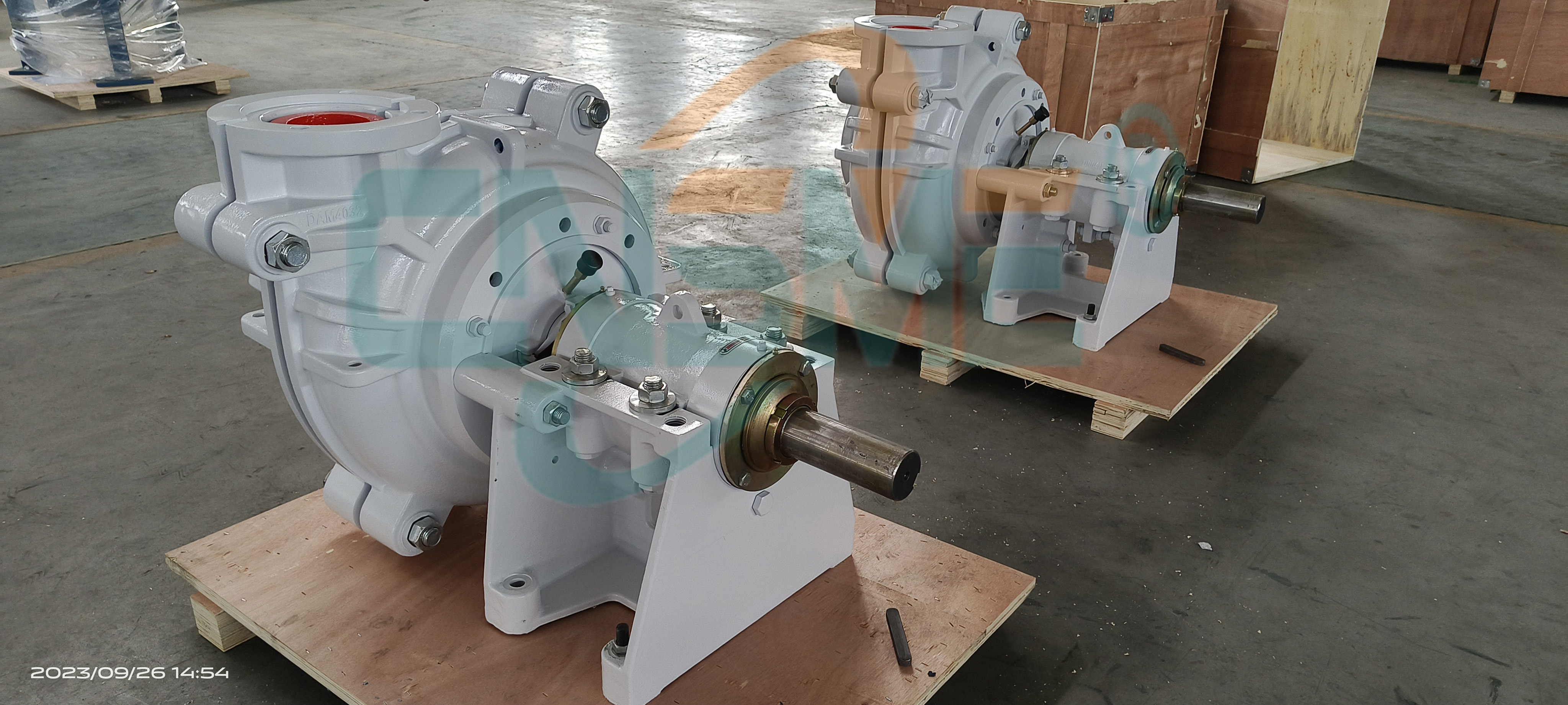
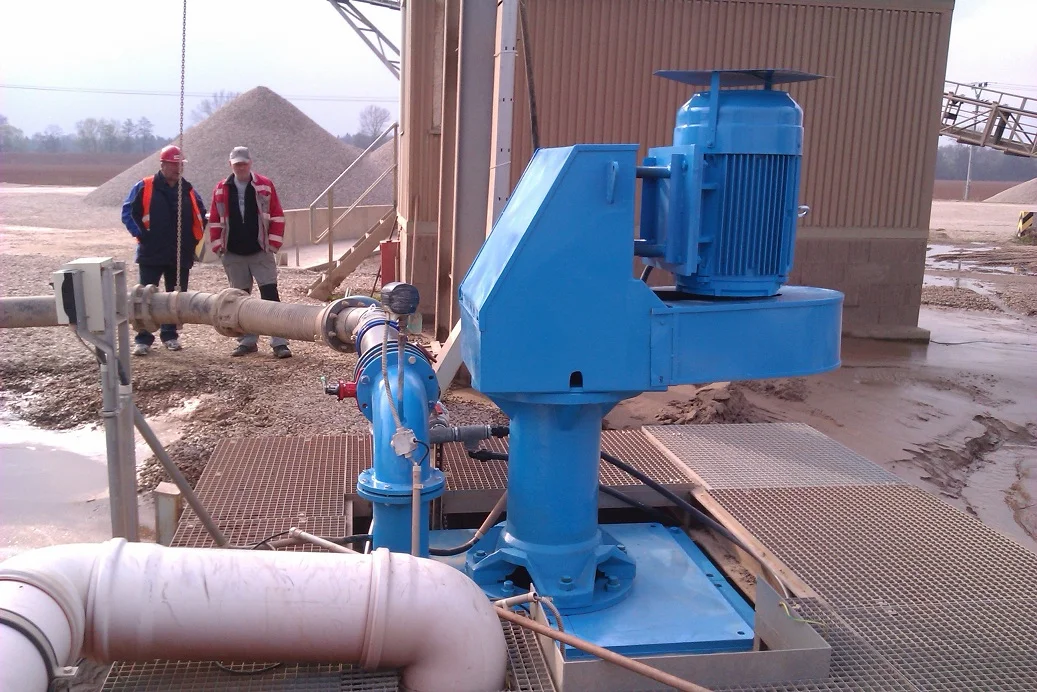
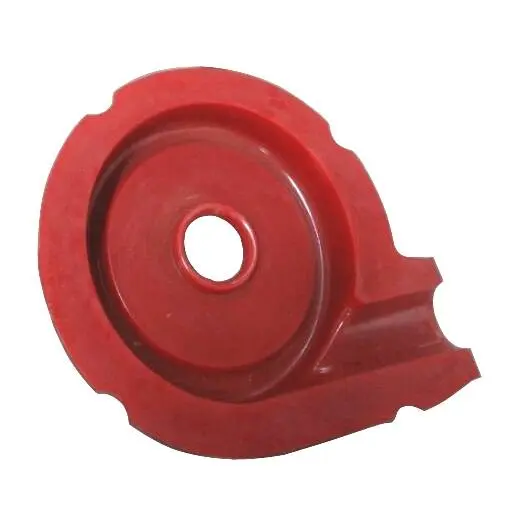
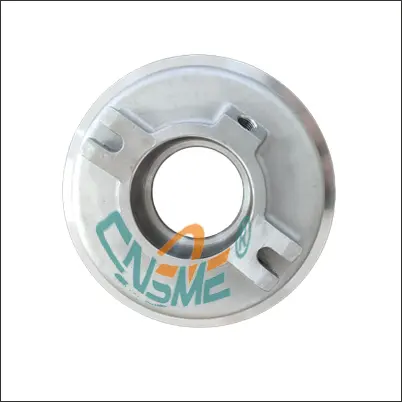
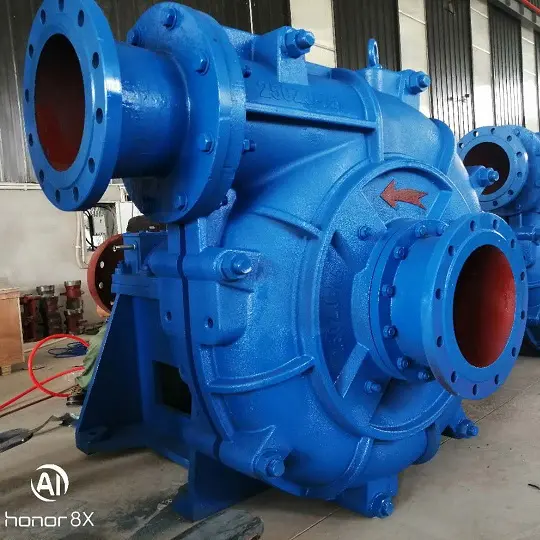
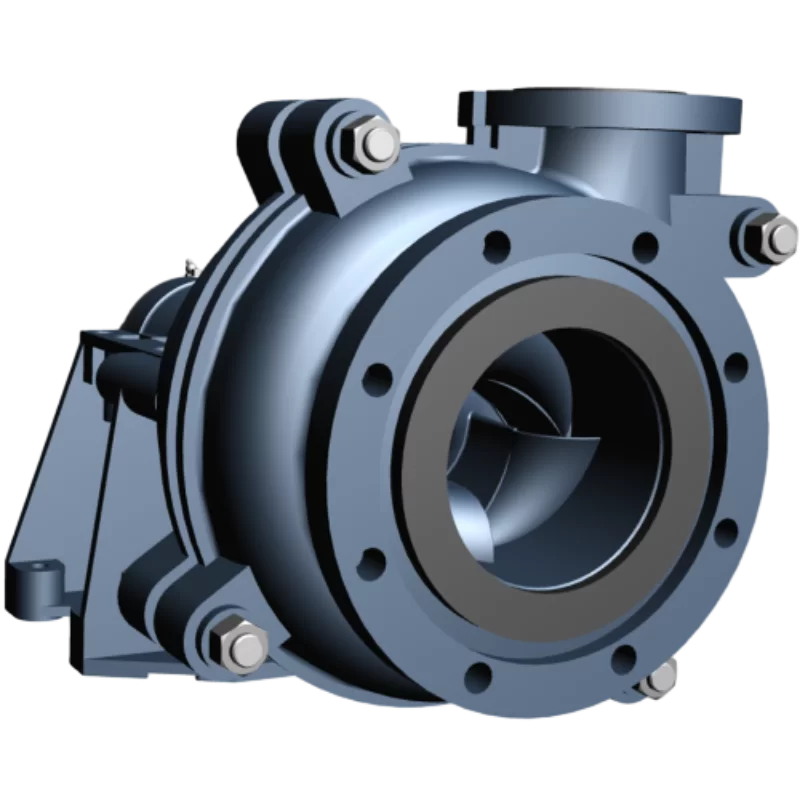
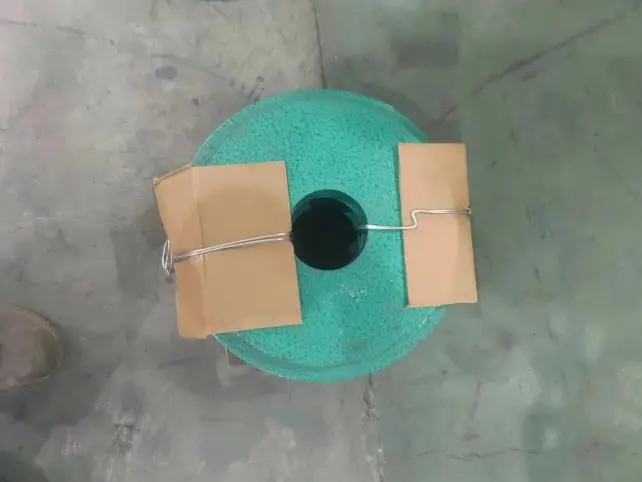
When sourcing components for slurry pumps, the shaft sleeve is a critical part, directly influencing pump performance and longevity. As a leading OEM slurry pump shaft sleeve factory, Quality Slurry Pump offers customized solutions to meet diverse industry needs. This article explores the importance of shaft sleeves, materials, manufacturing processes, and the benefits of choosing a reliable OEM partner. Selecting the right shaft sleeve can significantly improve your pump's efficiency and reduce downtime. We’ll detail what to look for and why Quality Slurry Pump is a trusted provider. A slurry pump shaft sleeve is a cylindrical component fitted over the pump shaft. Its primary function is to protect the shaft from abrasive wear caused by the slurry being pumped. Over time, the sleeve wears down rather than the expensive pump shaft, making it a cost-effective solution for maintenance. Furthermore, shaft sleeves facilitate easy shaft replacement and repair, reducing overall downtime. The correct sleeve fit and material selection are crucial for optimal performance and longevity.
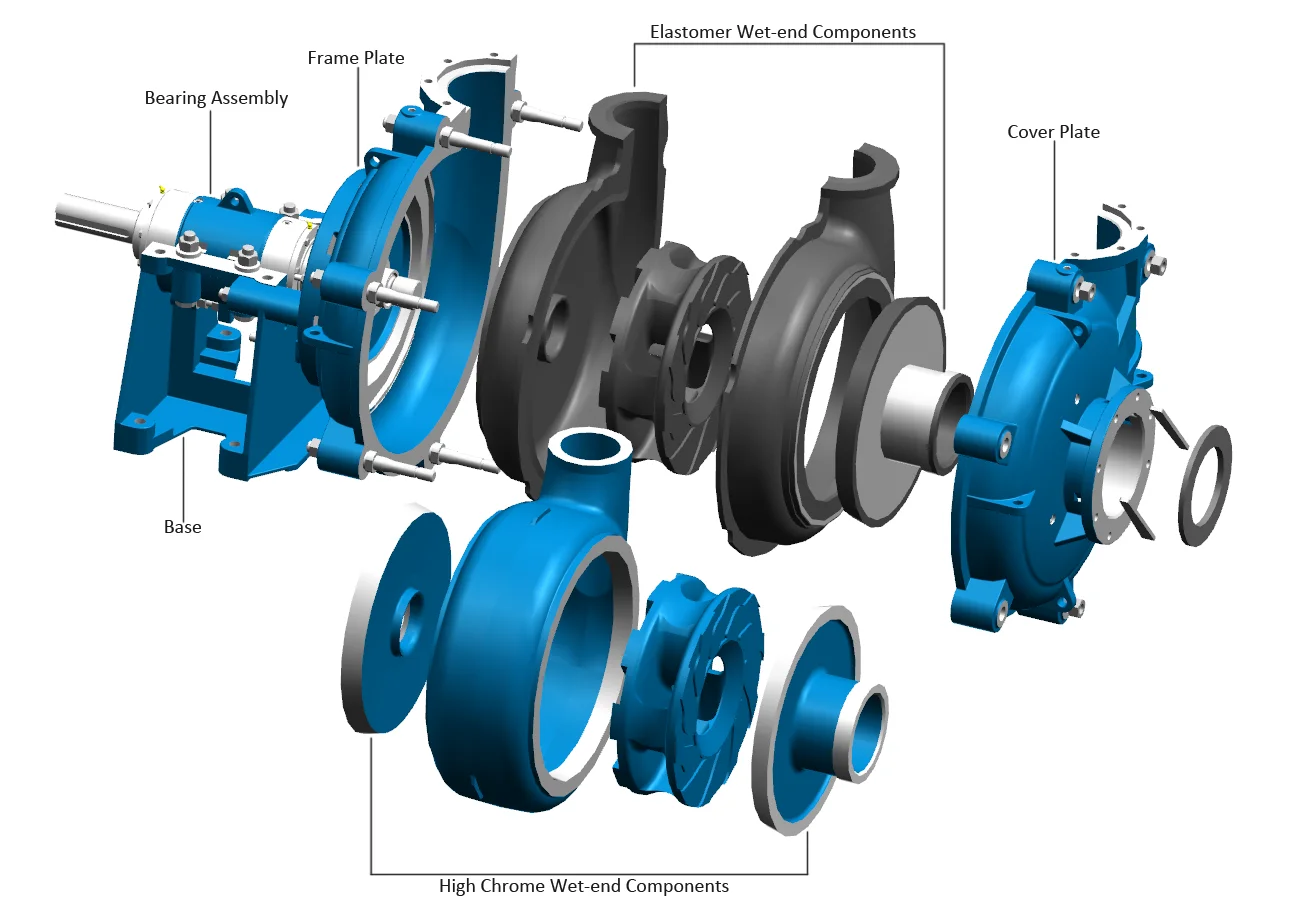
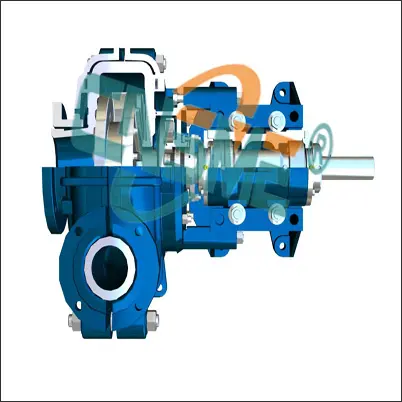
Slurry pump bearing assembly represents a critical component in numerous industrial processes, facilitating the reliable and efficient transfer of abrasive and corrosive materials. Its significance extends across diverse sectors, from mining and wastewater treatment to chemical processing and power generation. Understanding the intricacies of slurry pump bearing assembly is paramount for ensuring operational uptime, minimizing maintenance costs, and maximizing overall system performance. The correct assembly ensures longevity and prevents catastrophic failures, directly impacting productivity and safety. Globally, the demand for robust and dependable slurry pump solutions is continuously increasing, driven by expanding infrastructure projects, stricter environmental regulations, and the need for sustainable resource management. The United Nations Sustainable Development Goals, particularly those related to clean water and sanitation (SDG 6) and responsible consumption and production (SDG 12), indirectly rely on efficient slurry handling systems. A properly functioning slurry pump bearing assembly is thus vital in supporting these broader global objectives. Effective slurry pump bearing assembly isn't merely about assembling parts; it's a multifaceted engineering challenge demanding meticulous attention to detail, precise alignment, and the selection of appropriate materials.
Slurry pump impellers come in different structures depending on the pumping conditions and material properties. Closed, semi-open, and open impellers each have unique characteristics that determine their efficiency, durability, and suitability for liquids containing solids, fibers, or high viscosity. Understanding their differences helps in selecting the right impeller for stable and efficient pump operation.