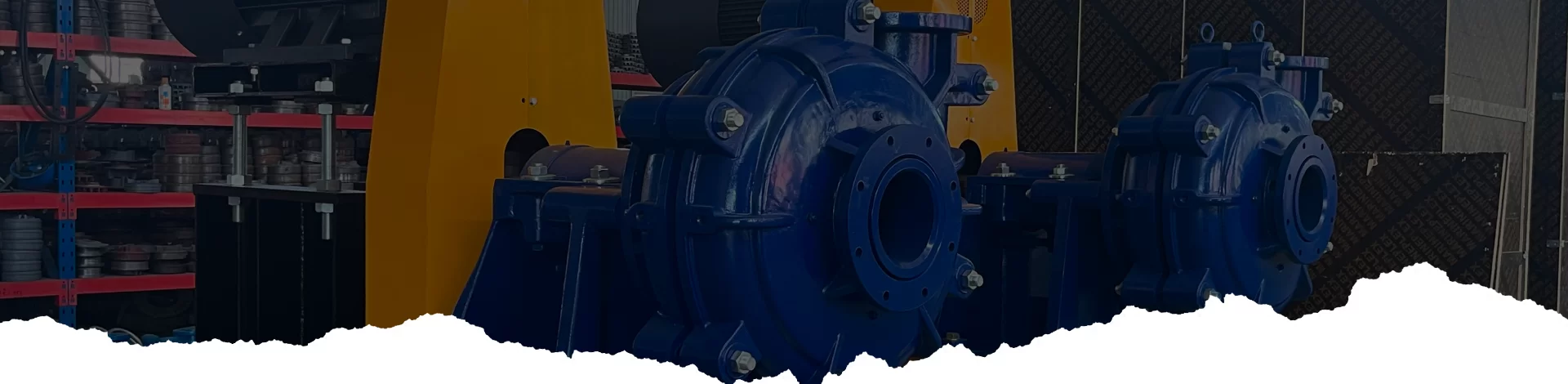
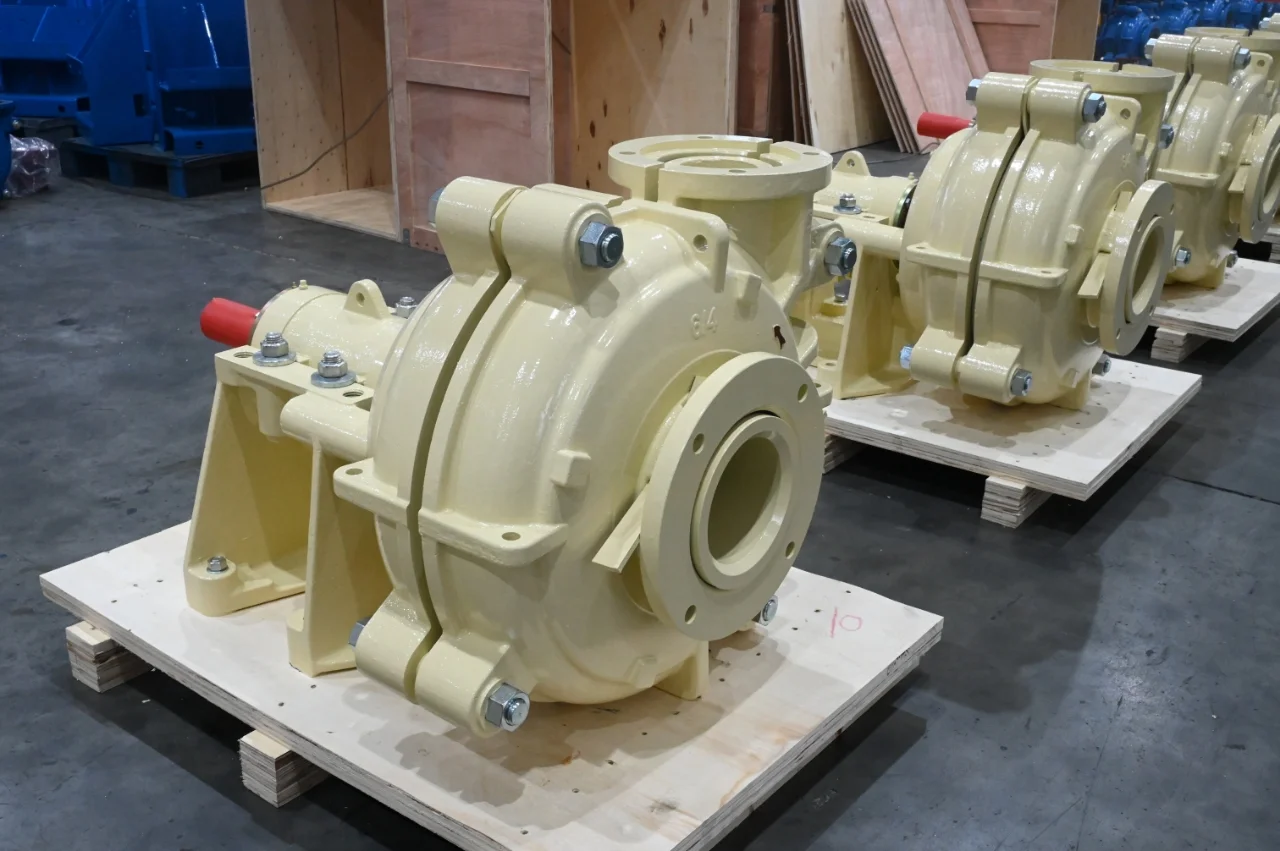
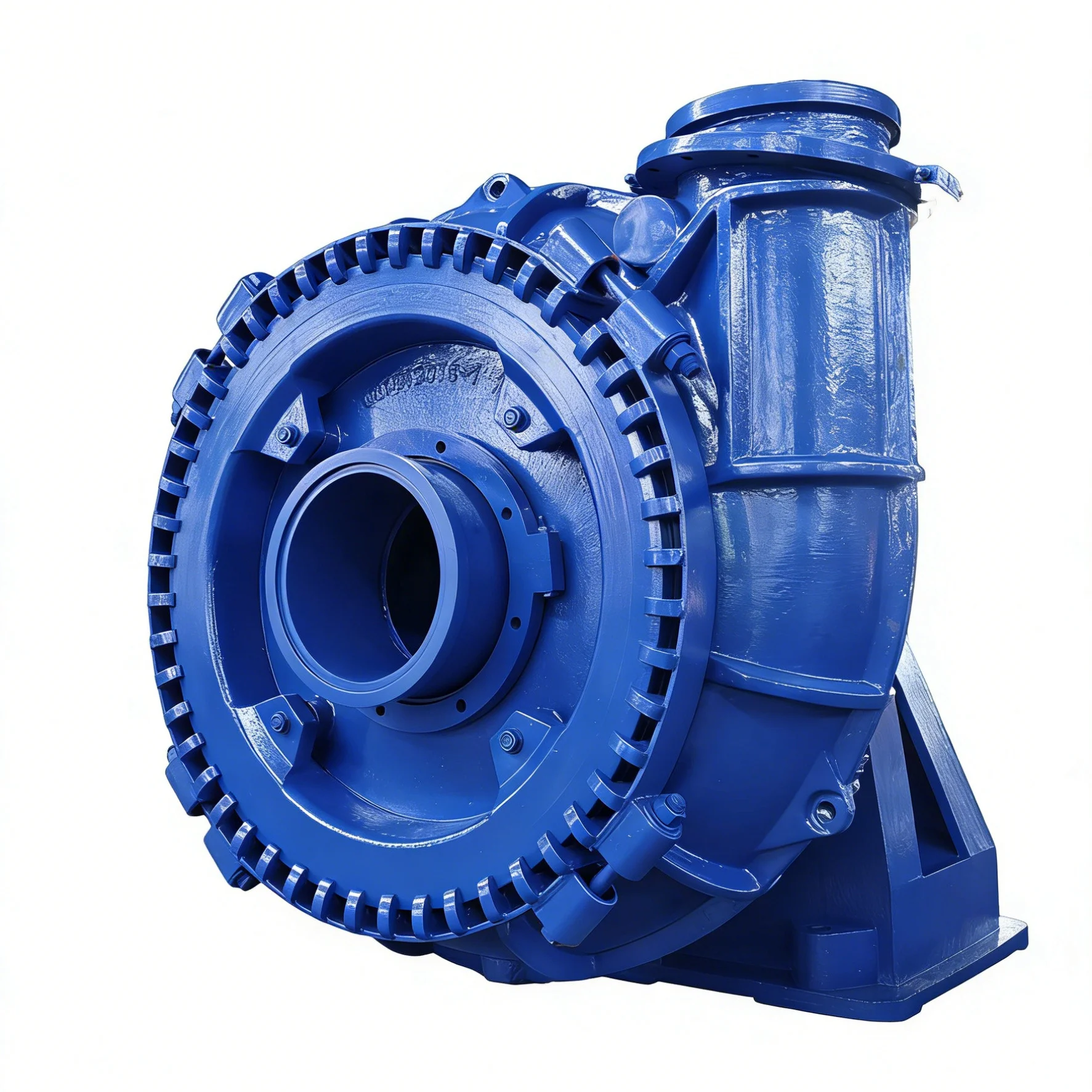
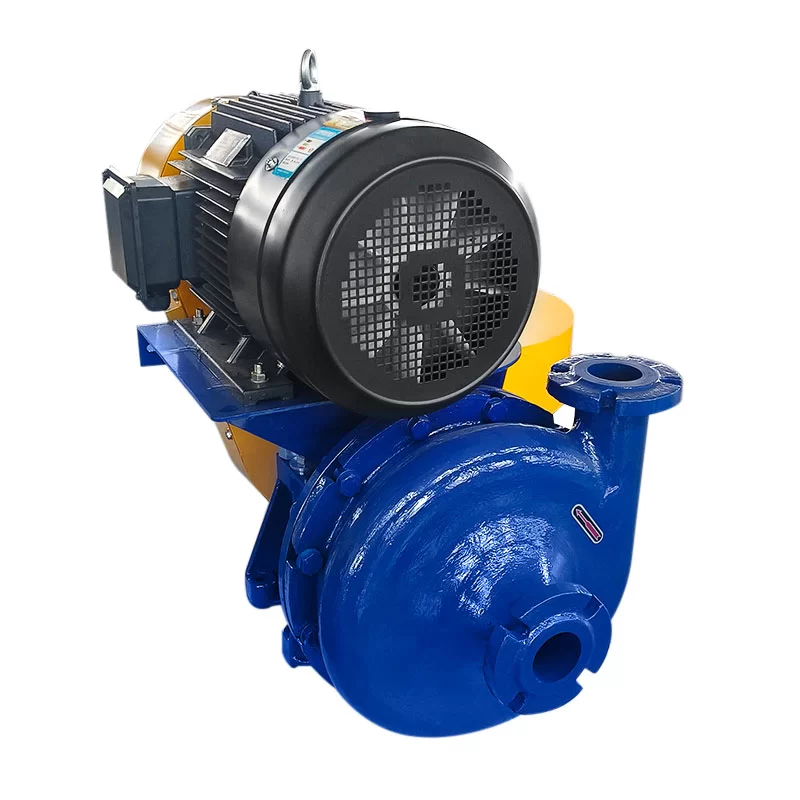
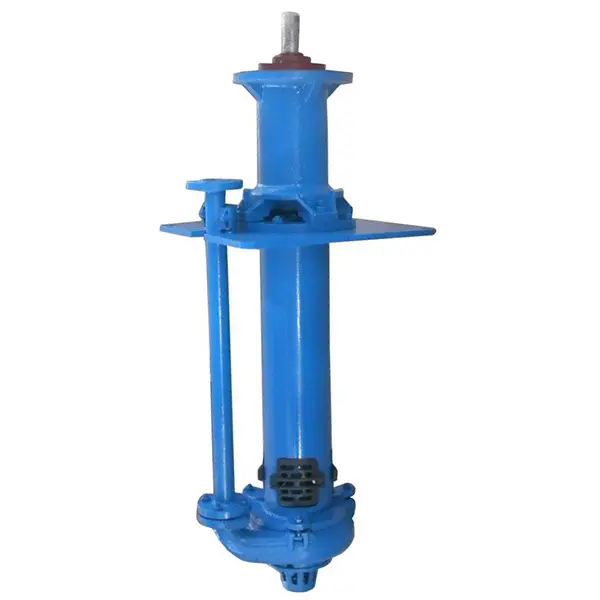
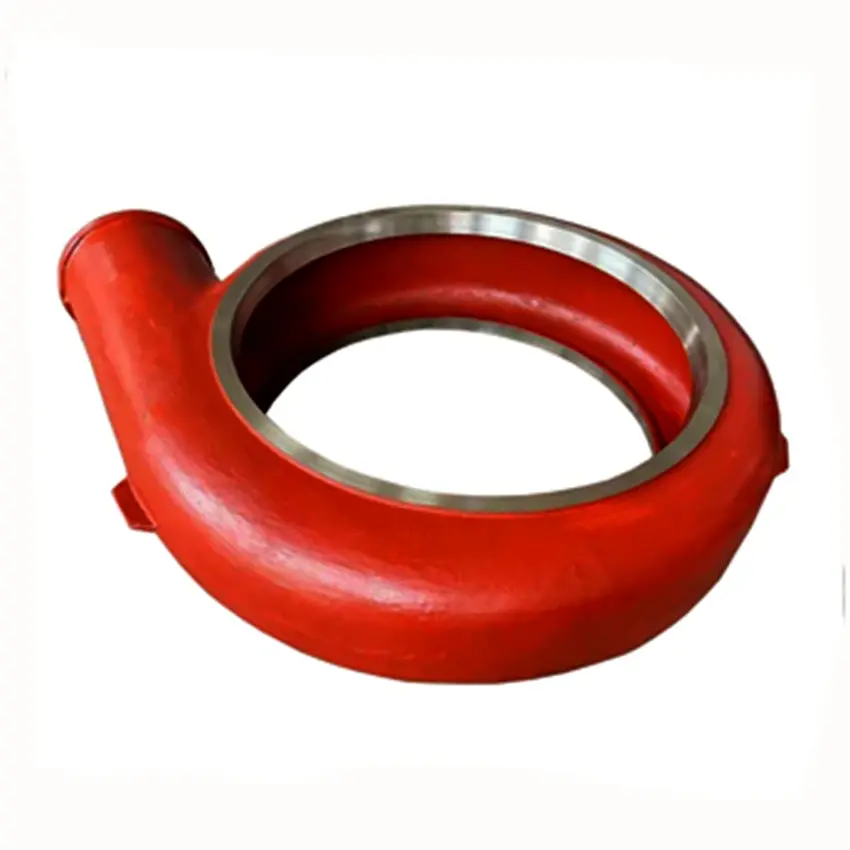
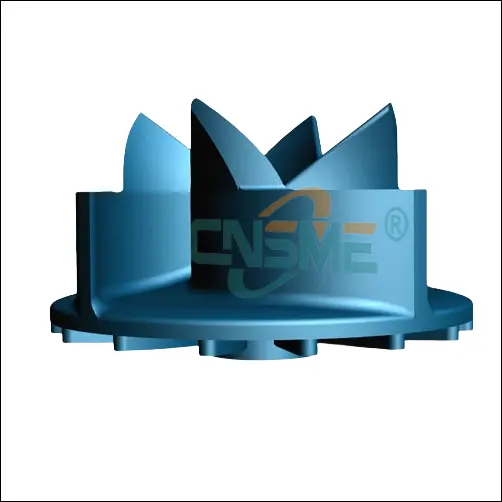
Slurry pump for tailings management is a critical component in modern mining and industrial operations. Effectively handling tailings – the waste materials left over from the extraction of valuable minerals – is paramount for environmental protection, regulatory compliance, and sustainable resource management. Utilizing the correct slurry pump for tailings ensures safe and efficient transfer of these materials, minimizing environmental impact and maximizing operational efficiency. This crucial process significantly impacts global sustainability efforts and the longevity of mining operations worldwide. The increasing stringency of environmental regulations and growing public awareness regarding responsible mining practices have dramatically increased the demand for robust and reliable slurry pump for tailings solutions. This trend necessitates continuous innovation in pump technology, materials, and operational strategies. Failure to adequately manage tailings can result in catastrophic environmental disasters, leading to severe penalties, reputational damage, and long-term ecological consequences, highlighting the vital importance of this often-overlooked aspect of resource extraction. Understanding the nuances of slurry pump for tailings systems is no longer just a technical requirement; it's a fundamental aspect of responsible corporate citizenship and long-term economic viability.
You know, been running around construction sites all year, smelling concrete and dust… Honestly, these days everyone's talking about prefabrication, modular stuff. Seems like everyone wants to build things off-site and just bolt them together. It’s supposed to be faster, cheaper, less waste… but it’s rarely that simple, is it? You start digging into the details, and that's when things get tricky.
Have you noticed how everyone jumps on the latest polymer craze? “Oh, this new composite is three times stronger!” Yeah, maybe in a lab. But try handling it in the rain, or when it’s covered in mud. That’s where the real testing happens. And don’t even get me started on the smell… some of these things reek.
We’re using a lot of S355J2 steel these days, good stuff, but heavy. It’s got a sort of…metallic tang to it, you can tell it's quality just by the feel. And the coatings! Powder coating's standard, but the zinc-rich primers are where it's at for corrosion resistance. The feel of a properly prepped surface is something you learn after a while. You know when it's right.
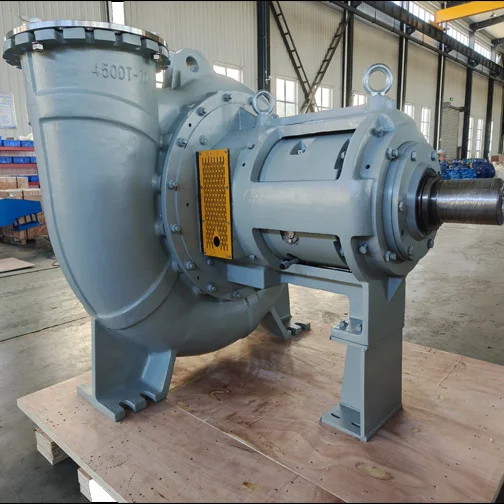
Slurry pump for power plant desulfurization is a critical component in modern environmental control systems, specifically designed to handle the abrasive and corrosive slurries generated during flue gas desulfurization (FGD) processes. These pumps are instrumental in reducing sulfur dioxide emissions from coal-fired power plants, contributing significantly to improved air quality and mitigating the effects of acid rain. Understanding their functionality, maintenance, and selection criteria is essential for power plant operators and environmental engineers alike. The increasing stringency of environmental regulations globally necessitates the efficient and reliable operation of FGD systems, placing a heightened demand for durable and high-performing slurry pumps. Selecting the appropriate slurry pump for power plant desulfurization isn’t simply a matter of flow rate and head; it requires a comprehensive assessment of the slurry characteristics, operating conditions, and long-term cost-effectiveness.
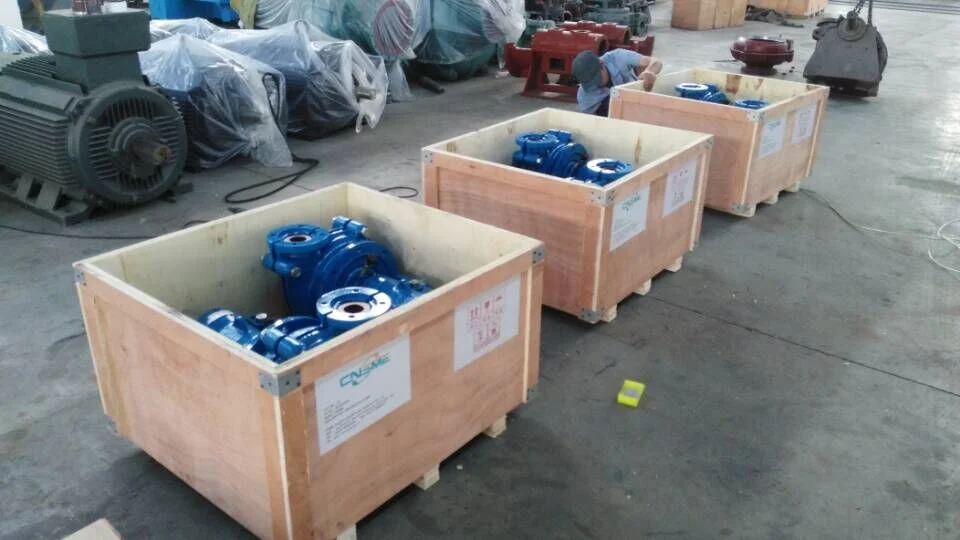
CNSME(slurry pump supplier) will participate in the Mining exhibition held in Turkey on May 2, 2024. We sincerely invite friends from all walks of life to visit
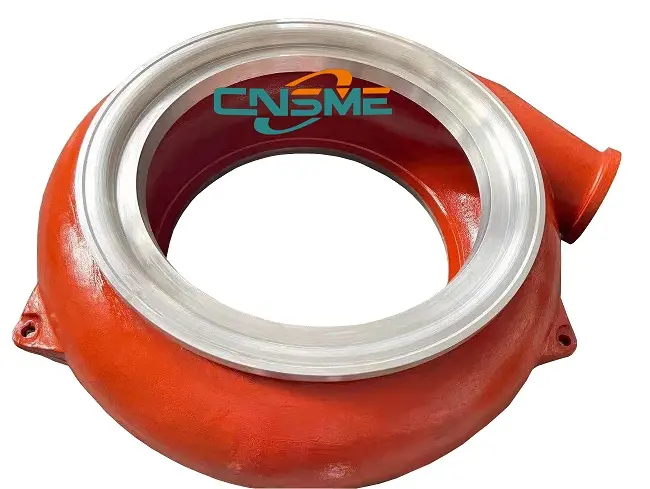
During operation, there are four types of common failures of slurry pumps: corrosion and abrasion, mechanical failure, performance failure and shaft sealing
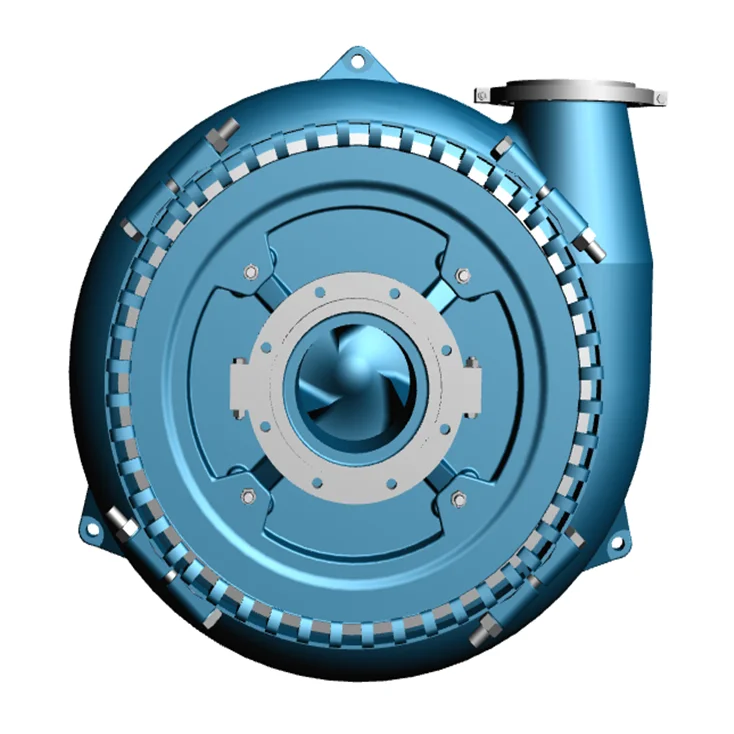
Slurry pumps for sand and gravel are critical components in numerous industries, from mining and construction to dredging and wastewater treatment. Their ability to efficiently transport abrasive mixtures over long distances is essential for project success and minimizing operational costs. Understanding the nuances of these pumps, including their design, materials, and operational parameters, is paramount for engineers, project managers, and operators alike. A properly selected and maintained slurry pump for sand and gravel significantly impacts productivity, reduces downtime, and extends the lifespan of the entire system. The global demand for infrastructure development, resource extraction, and environmental remediation continues to drive the need for reliable and efficient slurry pumping solutions. Growing populations and increasing urbanization necessitate large-scale construction projects, frequently involving significant volumes of sand and gravel. Furthermore, the need for responsible environmental practices demands effective solutions for managing sediment and pollutants in waterways, often relying on robust slurry pump for sand and gravel systems. According to the World Bank, global infrastructure investment is projected to reach $94 trillion by 2040, amplifying the importance of efficient material handling technologies.