You know, I've been running around construction sites for years, and the biggest trend lately? Everyone's obsessed with minimizing weight. Lighter materials, thinner walls… It's all about getting the job done faster and cheaper, but honestly, sometimes I worry we're sacrificing durability. It's a trade-off, right? We've all seen what happens when things are too lightweight.
I've seen so many designs that look good on paper, but fall apart in the real world. Have you noticed how everyone wants these sleek, minimalist designs? It's fine, I guess, but integrating cable management, or even just decent access panels, is often an afterthought. They design these things in an office, they don't spend weeks wrestling with them in the mud. Then I'm the one getting yelled at because the electrician can't reach the damn terminals.
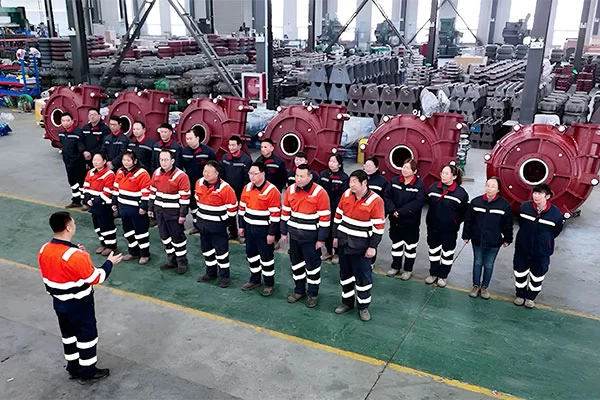
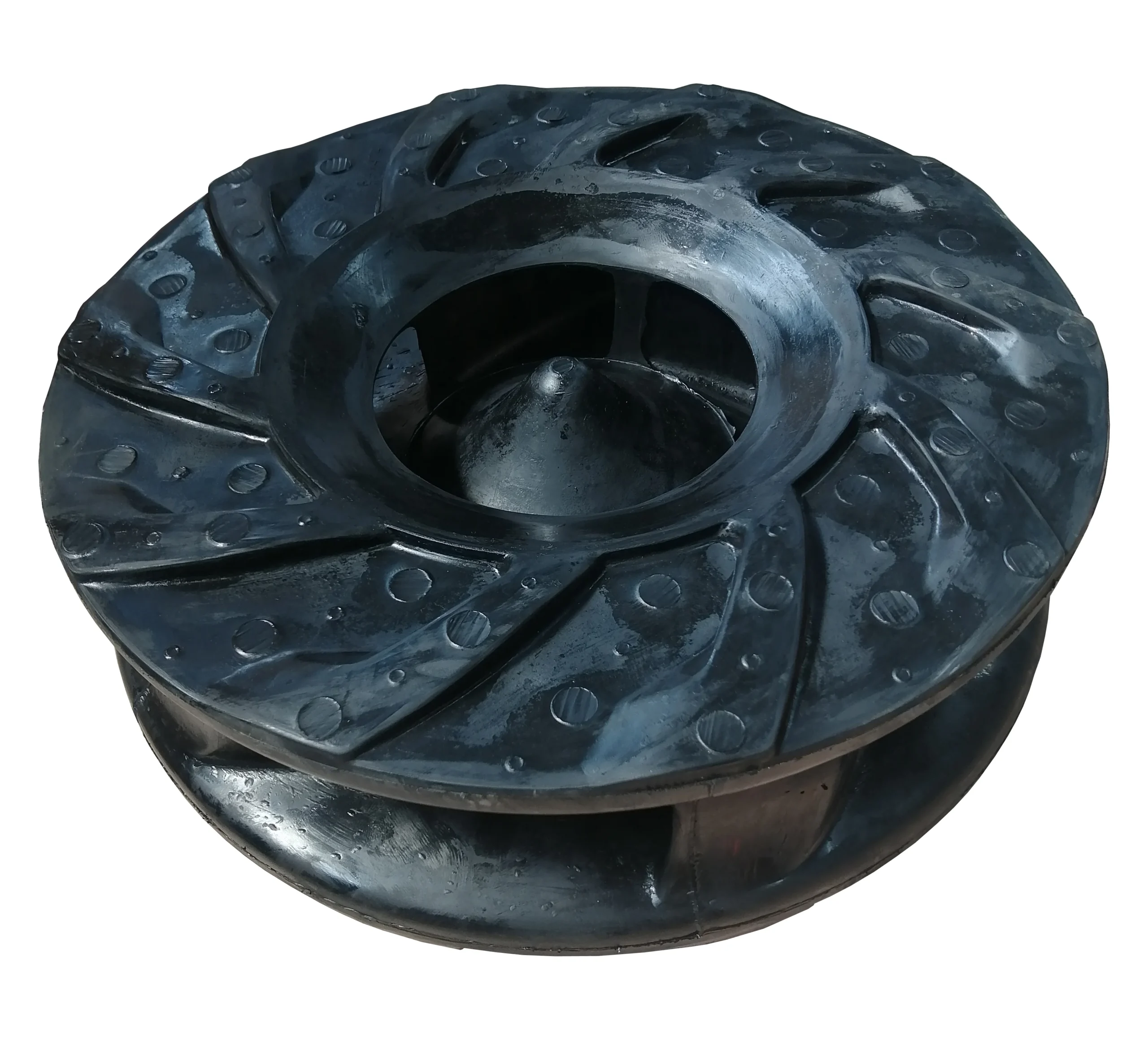
We use a lot of high-density polyethylene for the pump housings these days. Good stuff. It’s got that… plastic-y smell, but it's tough. Surprisingly tough. Feels a little waxy to the touch, needs gloves if you’re handling it all day. And then, of course, there's the cast iron for the impeller and volute. Heavy as hell, but you can’t beat the abrasion resistance. I encountered this at a pump factory in Jiangsu Province last time – they were trying to switch to a polymer impeller to save weight, but it just couldn’t handle the gravel. Completely shredded within a month.
You know, I've been running around construction sites all year, getting dust all over myself, and honestly, the biggest trend I've seen lately is everyone wanting stuff tougher. Not just "meets spec" tough, but "throw-a-wrench-at-it" tough. Seems like projects are getting more demanding, timeframes are shrinking, and nobody wants to be the one explaining why something broke down after a month. It's all about reliability, plain and simple.
And it's not always what you think. You get these engineers, bright as can be, designing these things on computers, and sometimes… well, sometimes they forget what it's like out here. I encountered this at a factory in Zhejiang province last time – they designed a pump housing with these really intricate cooling fins. Looked great on the CAD drawing. But try telling a welder to lay a bead on that. Nightmare. To be honest, simple is often better.
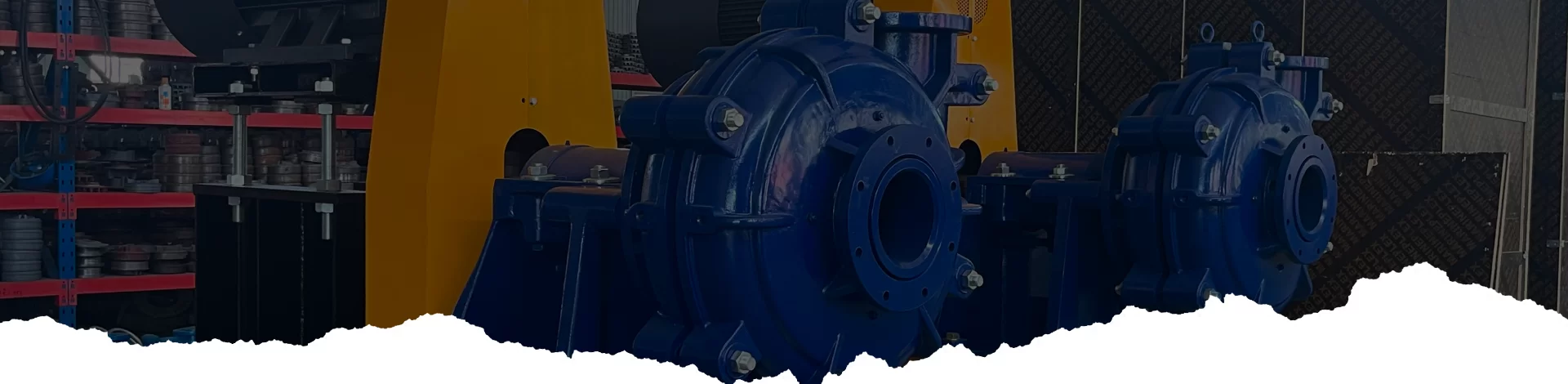
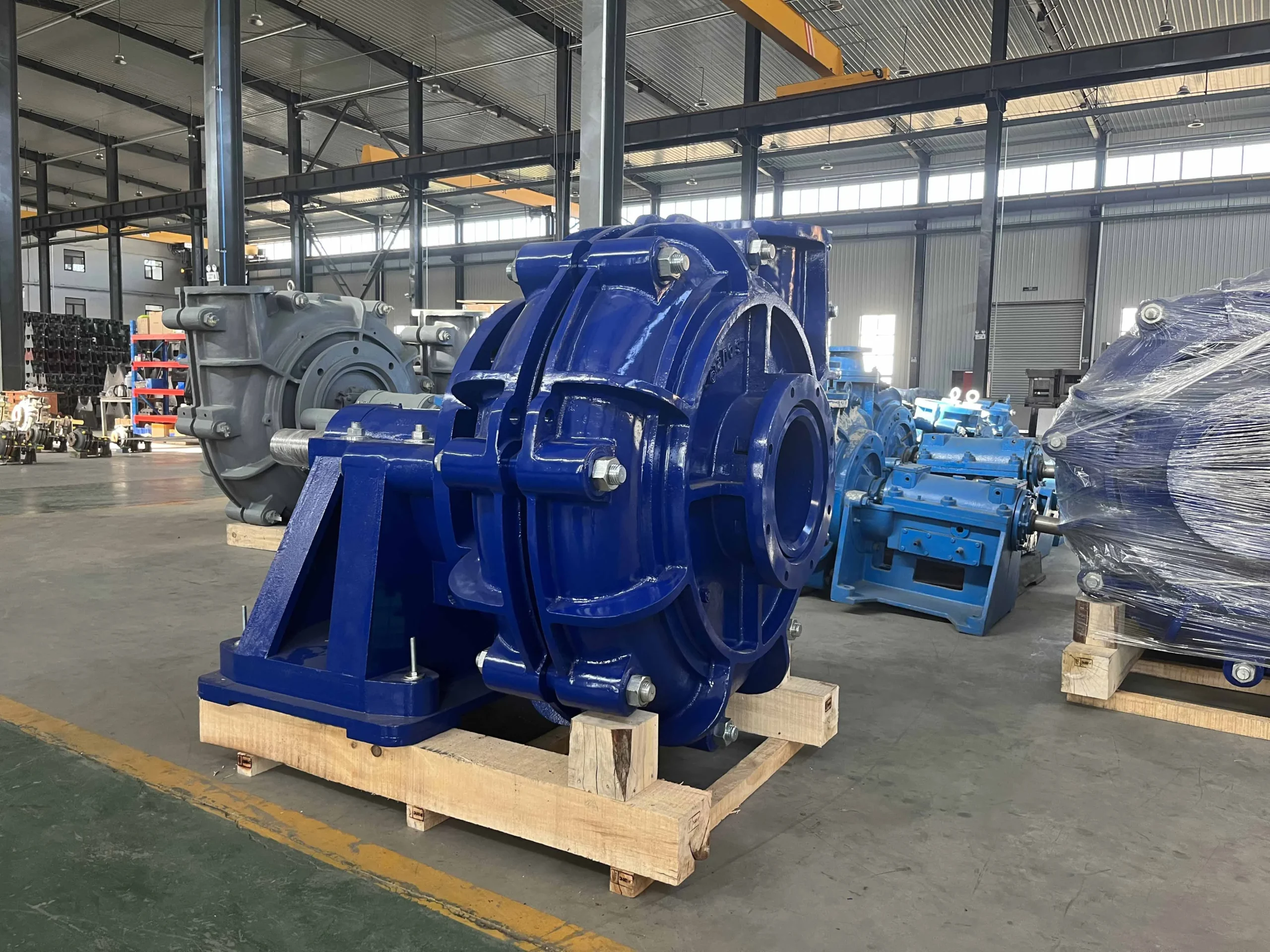
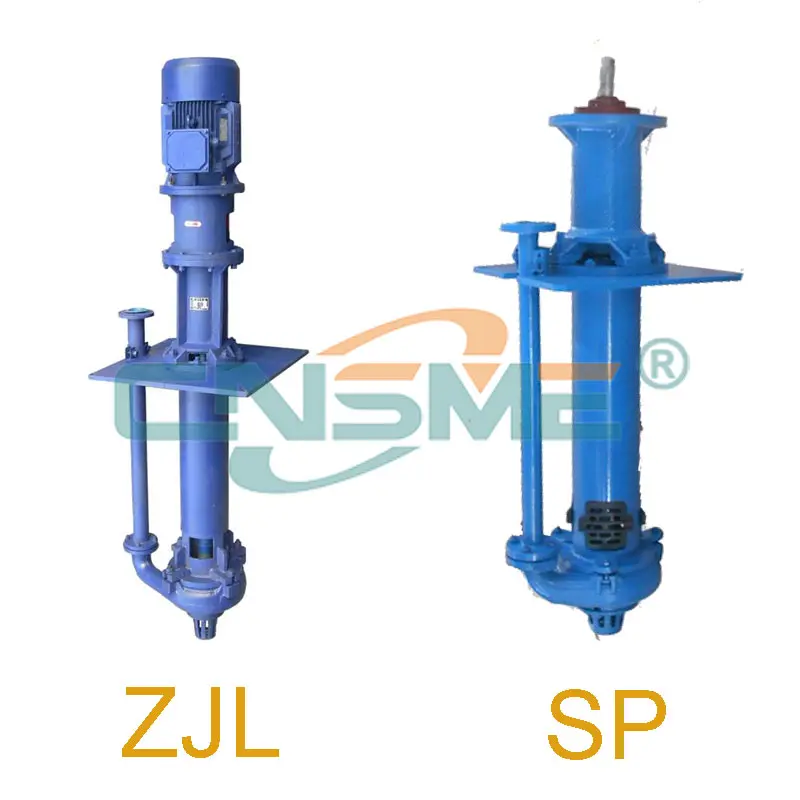
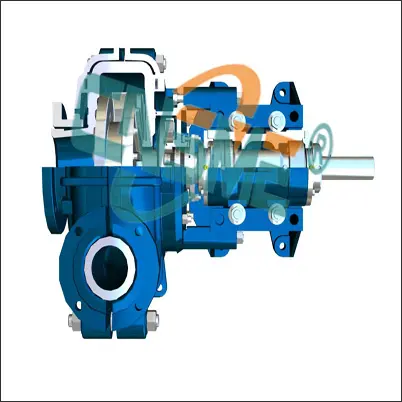
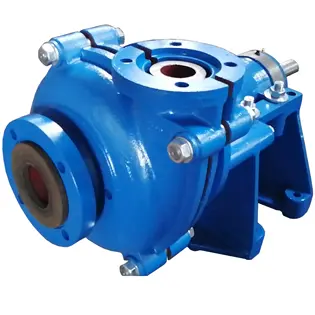
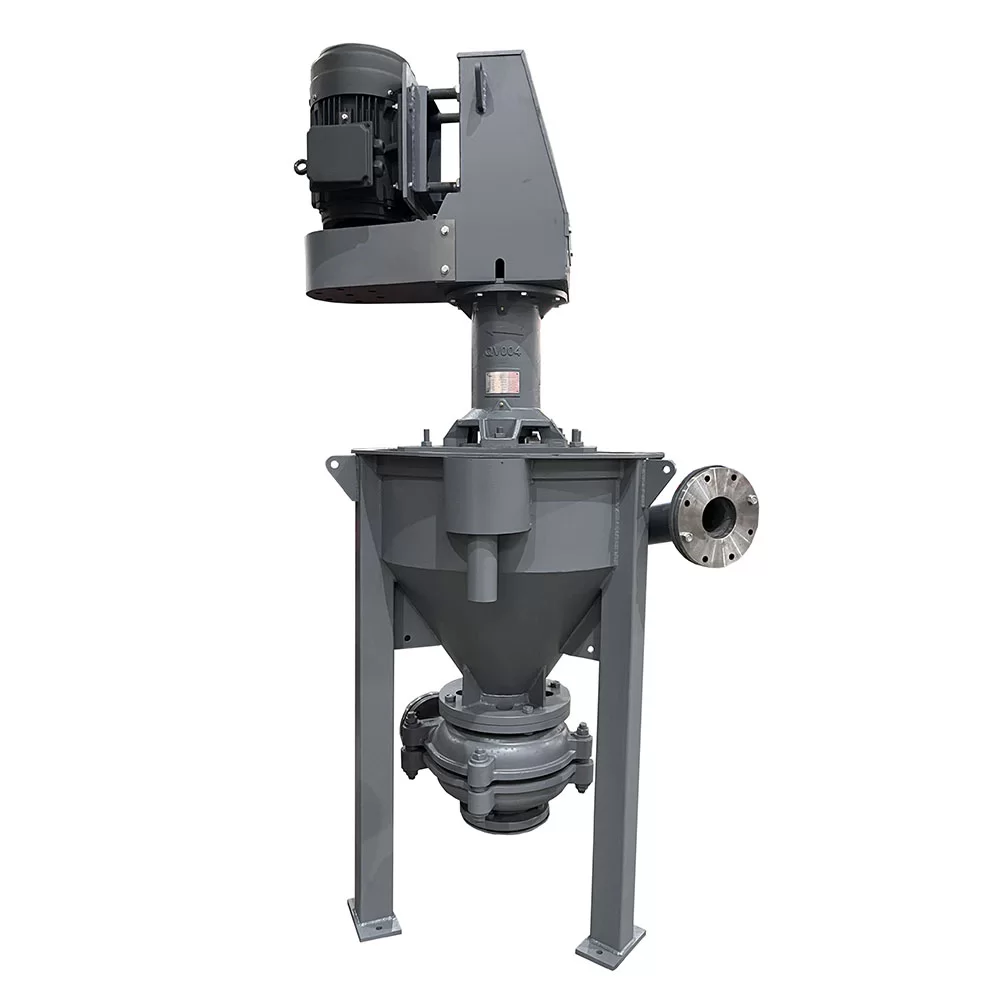
We're talking primarily about heavy duty slurry pump here, of course. Specifically, we use a lot of high-chromium cast iron for the impeller and casing. It’s… you can feel the weight of it, you know? Smells a bit metallic when you cut it, a little gritty.
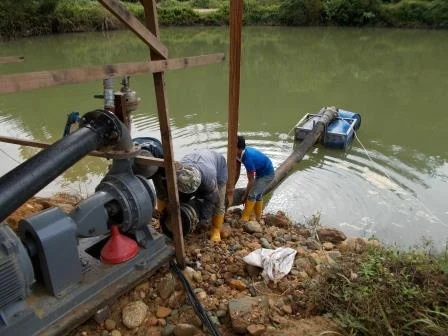
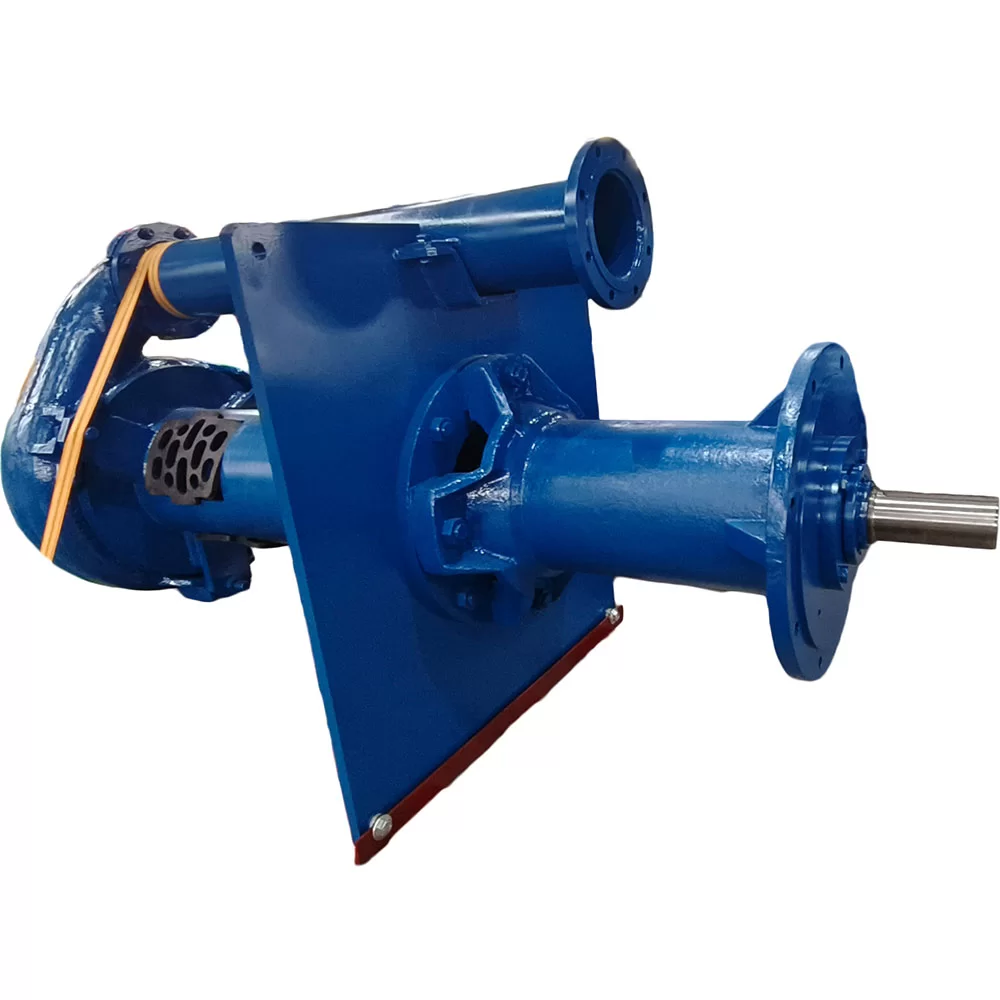
We offer a wide range of Sand Dredge Slurry Pumps that can be used to pump sand. A mixture of sand and water with up to 70% solids by weight is pumped. Sand and
You know, been running around construction sites all year, smelling concrete and dust… Honestly, these days everyone's talking about prefabrication, modular stuff. Seems like everyone wants to build things off-site and just bolt them together. It’s supposed to be faster, cheaper, less waste… but it’s rarely that simple, is it? You start digging into the details, and that's when things get tricky.
Have you noticed how everyone jumps on the latest polymer craze? “Oh, this new composite is three times stronger!” Yeah, maybe in a lab. But try handling it in the rain, or when it’s covered in mud. That’s where the real testing happens. And don’t even get me started on the smell… some of these things reek.
We’re using a lot of S355J2 steel these days, good stuff, but heavy. It’s got a sort of…metallic tang to it, you can tell it's quality just by the feel. And the coatings! Powder coating's standard, but the zinc-rich primers are where it's at for corrosion resistance. The feel of a properly prepped surface is something you learn after a while. You know when it's right.
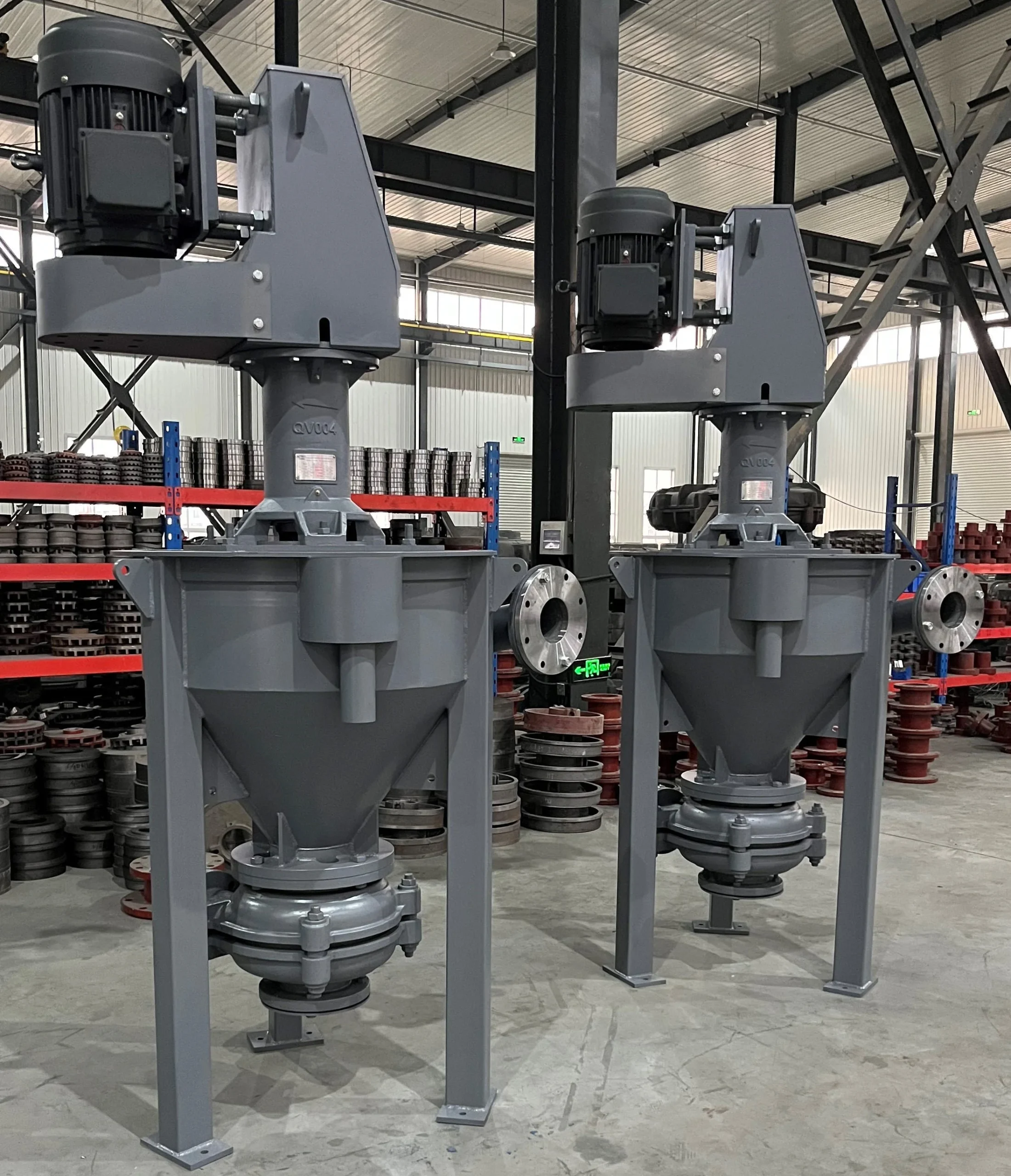
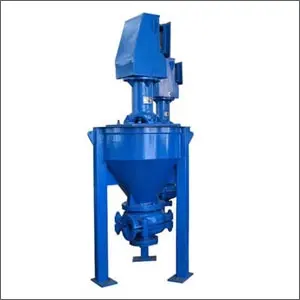
Slurry pumps are mainly used in various industries for the pumping of various slurries containing solid particles. Regarding the structure classification of