When selecting a slurry pump, numerous key factors must be considered, as these directly impact the pump's performance, service life, and operational efficiency. Below are some primary considerations:
I. Medium Characteristics
Particle Size: Different pumps are suited for slurries with varying particle sizes. Larger particles may require pumps with enhanced wear resistance and greater flow capacity.
Concentration: Select the appropriate pump type based on slurry concentration—low-concentration, medium-concentration, or high-concentration pumps. Concentration also affects wear rate and efficiency.
Viscosity: Slurry viscosity impacts flow rate and head. Choose pumps suited to the medium's viscosity to ensure efficient operation.
pH Value: The pH of the medium dictates material selection and corrosion resistance requirements. In highly corrosive environments, corrosion-resistant materials must be chosen.
II. Process Requirements and Operating Parameters
Flow Rate: Determine the required flow rate based on the conveying system's needs. Flow rate refers to the volume of liquid transported per unit time, typically expressed in cubic meters per hour (m³/h) or liters per minute (L/min).
Head: Head denotes the liquid pressure the slurry pump can deliver, usually measured in meters (m). Head selection must account for system resistance and the required liquid elevation height.
Conveyance Distance and Height: As conveyance distance and height increase, corresponding increases in pump power and discharge volume are required.
III. Pump Structure and Materials
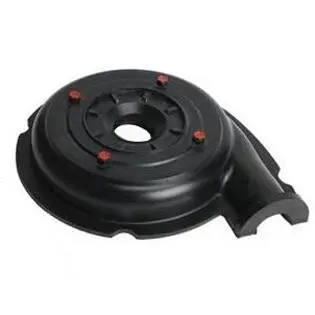
Wear Resistance: Due to particulate matter in slurry, pump wear resistance is critical. Common wear-resistant materials include wear-resistant cast iron, stainless steel, high-chromium cast iron, rubber, polyurethane, and ceramics.
Sealing Performance: Select slurry pumps with robust sealing to prevent solid particles from entering the pump interior and causing damage. Common sealing methods include mechanical seals and packing seals.
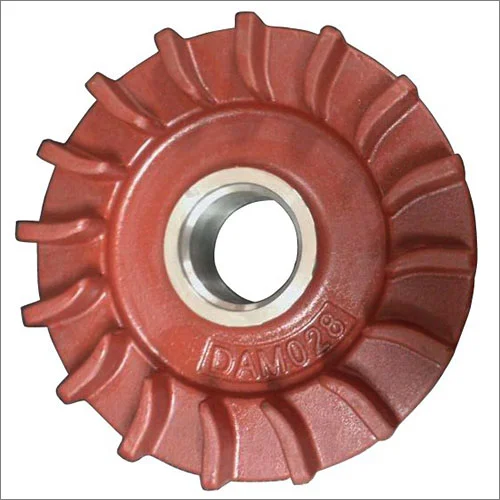
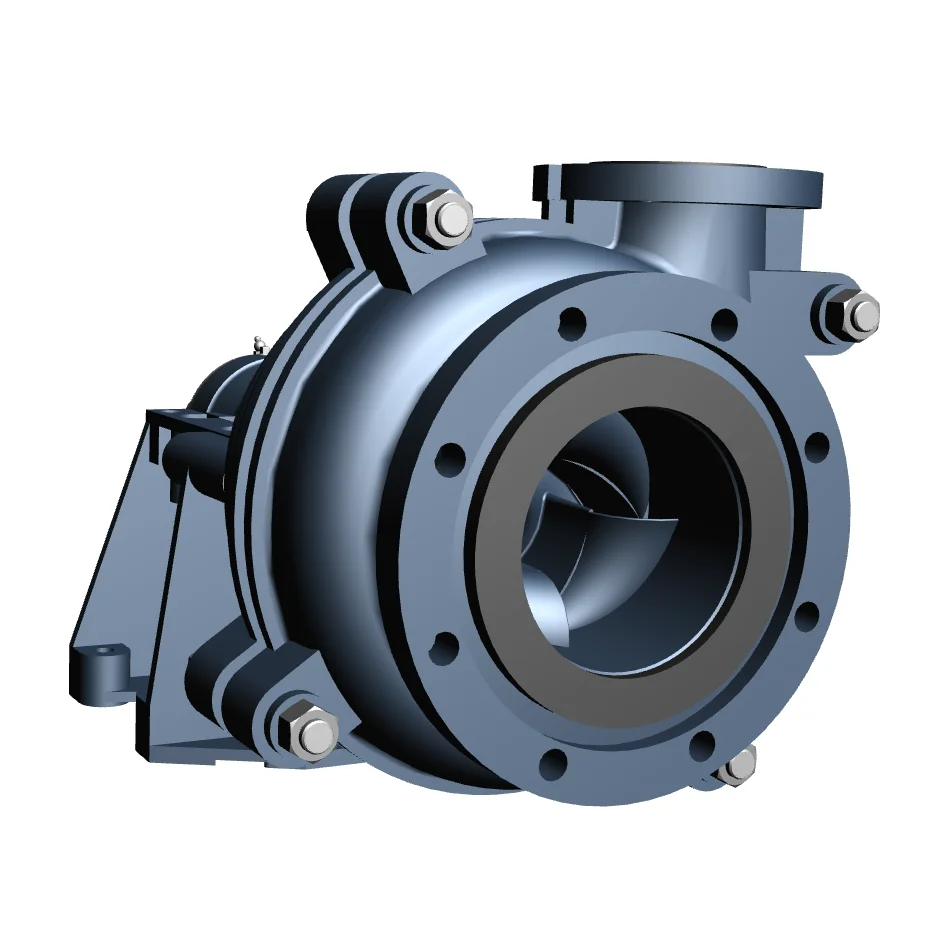
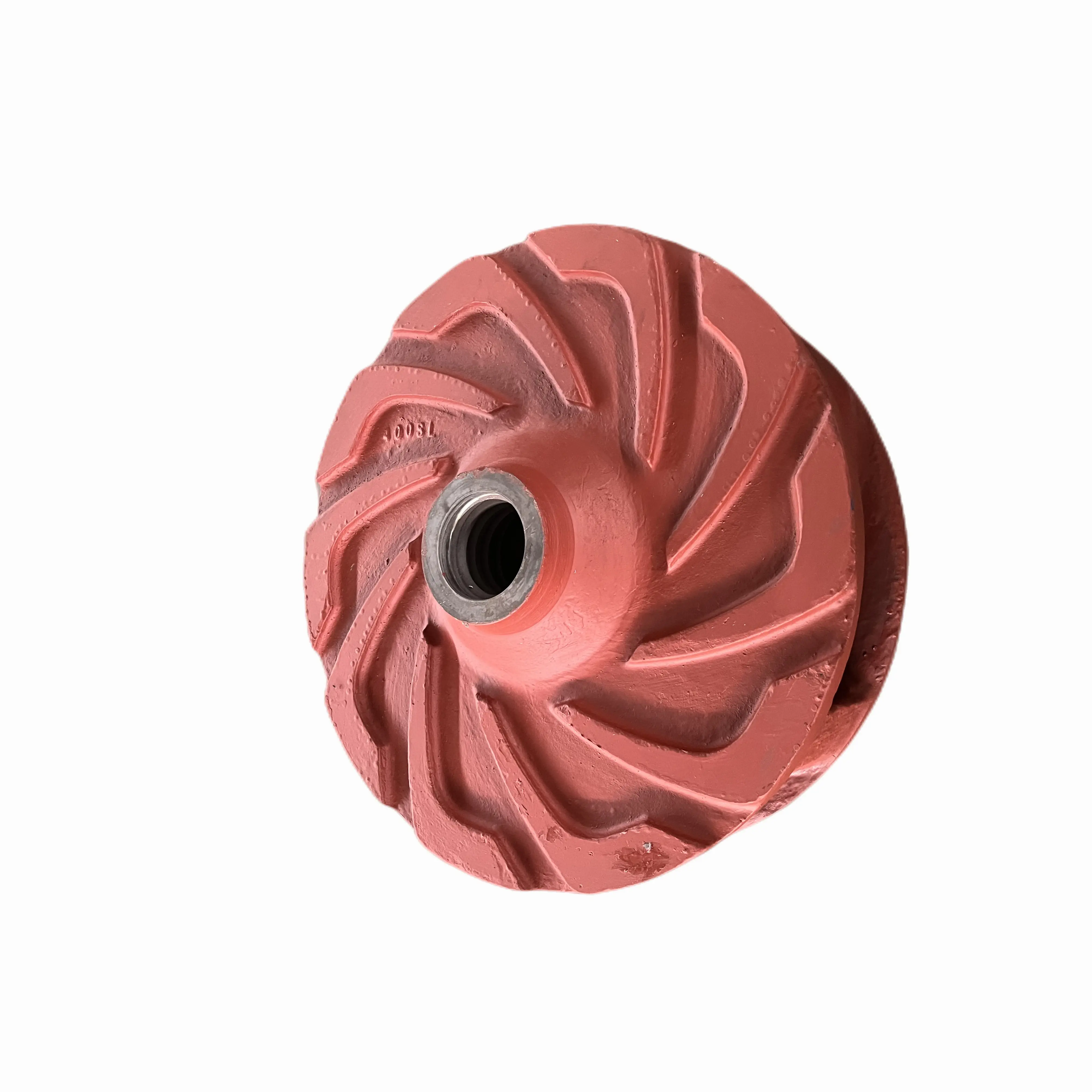
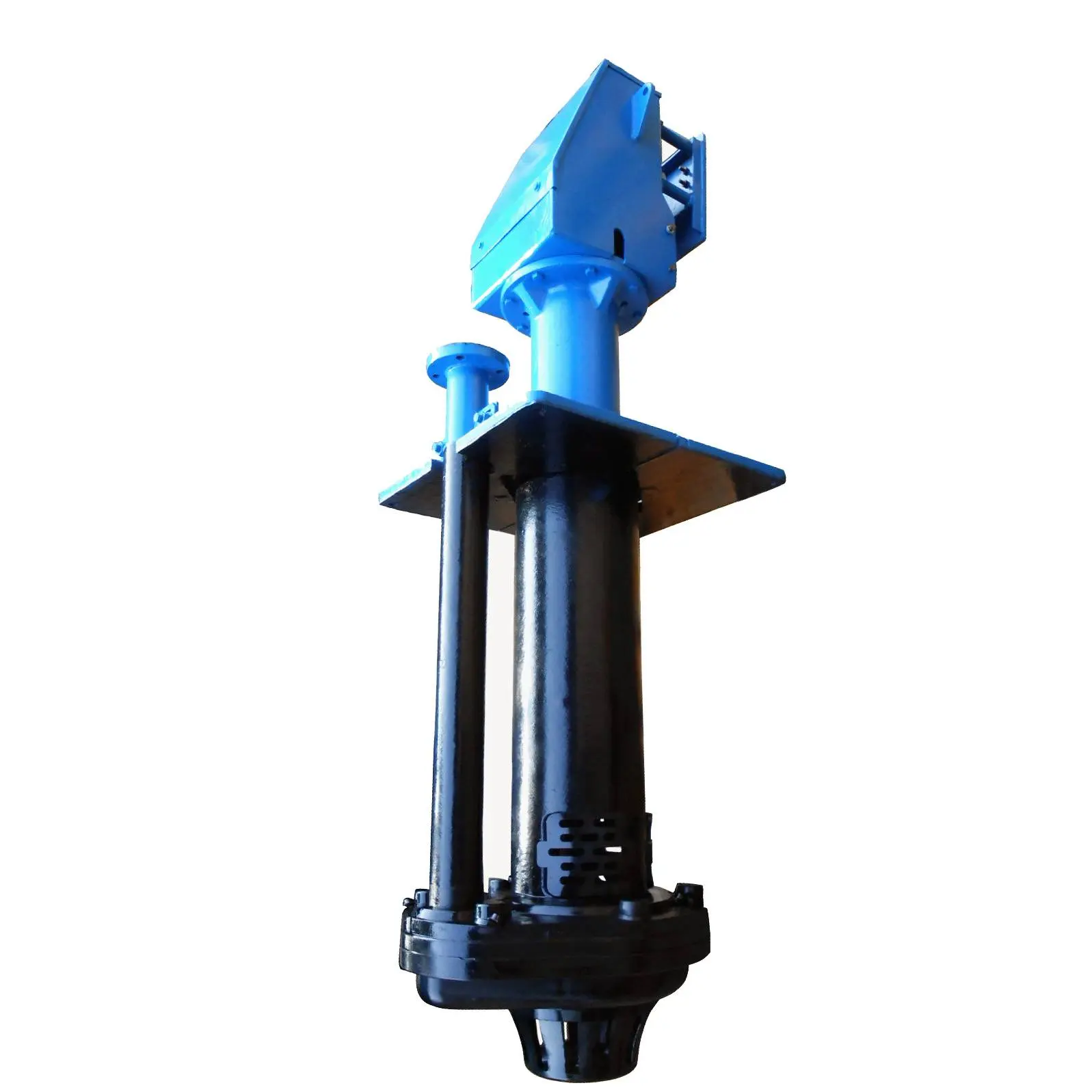
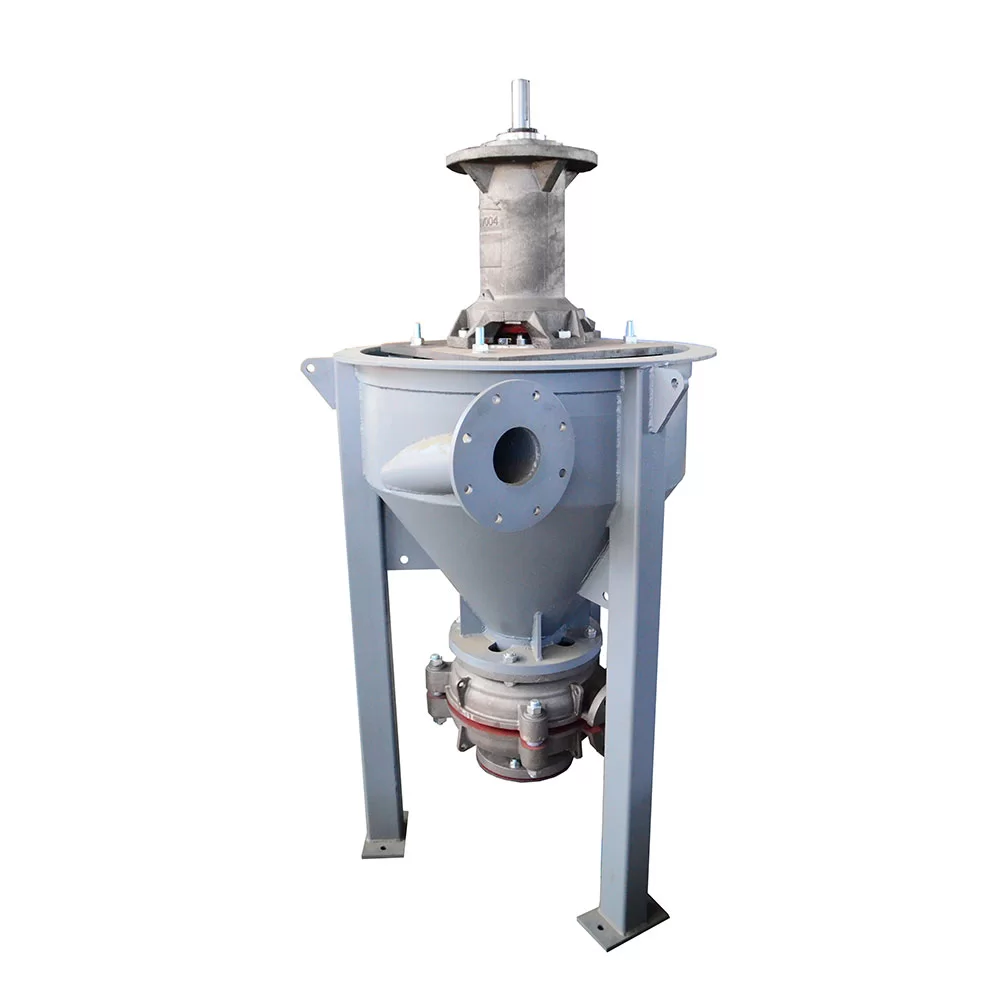
Structure and Design: The pump's structure and design also impact its performance and reliability. For instance, bearing design, impeller shape, and material all influence operational efficiency and service life.
IV. Operating Environment and Conditions
Temperature: Medium temperature affects sealing performance and material durability. Select appropriate pump types and materials based on medium temperature.
Corrosiveness: Consider the corrosive nature of the medium and choose corrosion-resistant materials and structures.
Installation Environment: Installation conditions such as pump room size and piping layout directly influence pump selection and installation plans.
V. Economic Viability and Reliability
Cost: When purchasing slurry pumps, consider acquisition costs, operating expenses, and maintenance expenditures. Evaluate different models and brands across these metrics to ensure economically sound selection.
Reliability: Choose high-quality, long-lasting products to reduce maintenance costs and enhance equipment reliability.
Maintenance & Servicing: Opt for pumps that are easy to maintain and service to reduce operational costs and improve equipment reliability.
In summary, selecting a slurry pump requires comprehensive consideration of multiple factors including medium characteristics, process requirements, pump structure and materials, operating environment and conditions, as well as economic viability and reliability. It is advisable to consult with professional engineers or pump manufacturers prior to selection to obtain personalized recommendations and technical support.