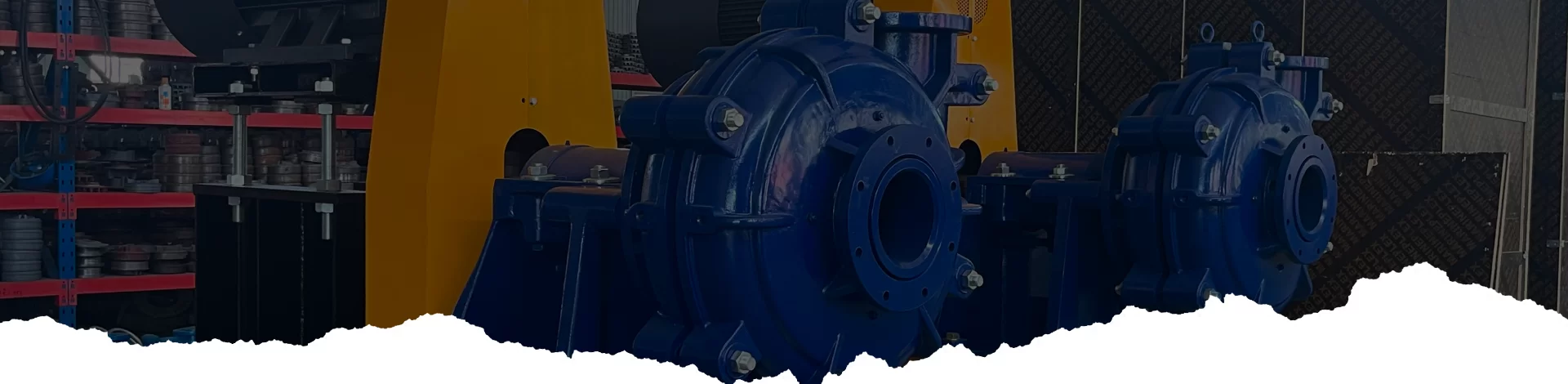
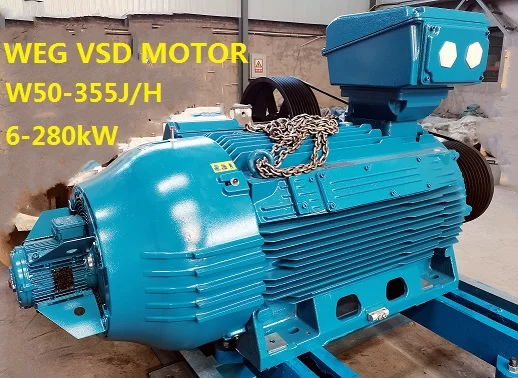
As a supplier of slurry pumps from China, we clearly understand that customers have questions about the minimum operating frequency of slurry pumps. In this
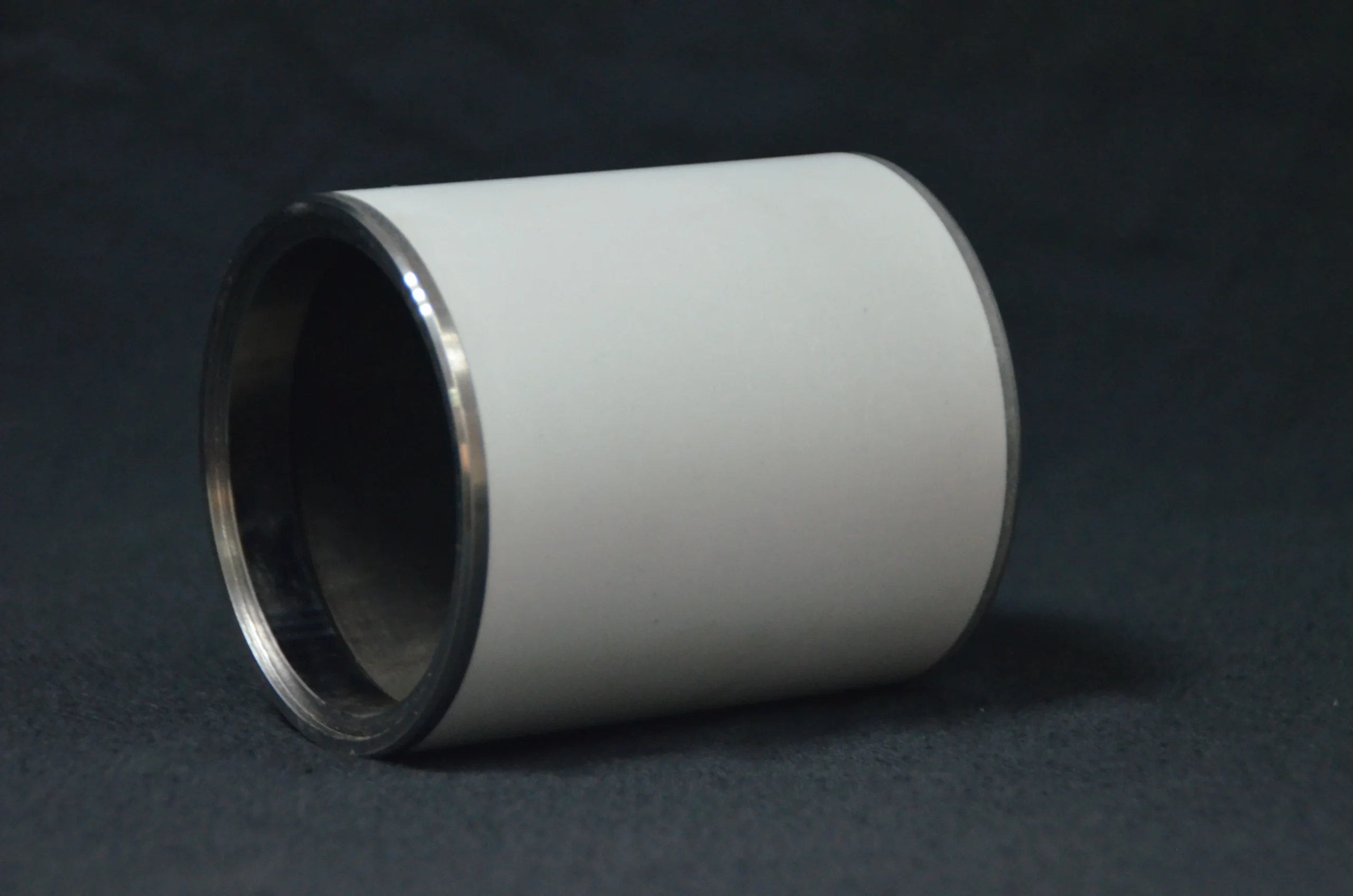
When your slurry pump performance depends on reliable components, choosing the right OEM slurry pump shaft sleeve supplier is crucial. These sleeves protect your pump shaft from abrasive wear, corrosion, and the harsh conditions inherent in slurry applications. This article provides a detailed overview of shaft sleeves, the benefits of choosing an OEM supplier, key considerations for selection, and why Quality Slurry Pump is a trusted partner for businesses worldwide. Ensuring the longevity of your pump starts with high-quality replacement parts. Slurry pump shaft sleeves are cylindrical components fitted over the pump shaft. They act as a sacrificial wear layer, protecting the more expensive shaft from damage caused by the abrasive particles in the slurry. Different materials are used depending on the slurry composition and operating conditions. Common materials include high-chrome cast iron, rubber, ceramic, and hardened stainless steel. Properly selected and maintained shaft sleeves significantly extend the life of your pump and minimize downtime.
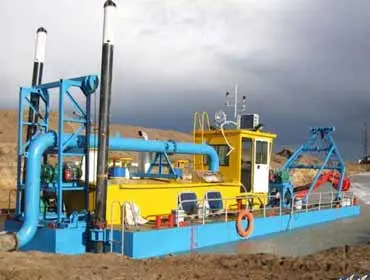
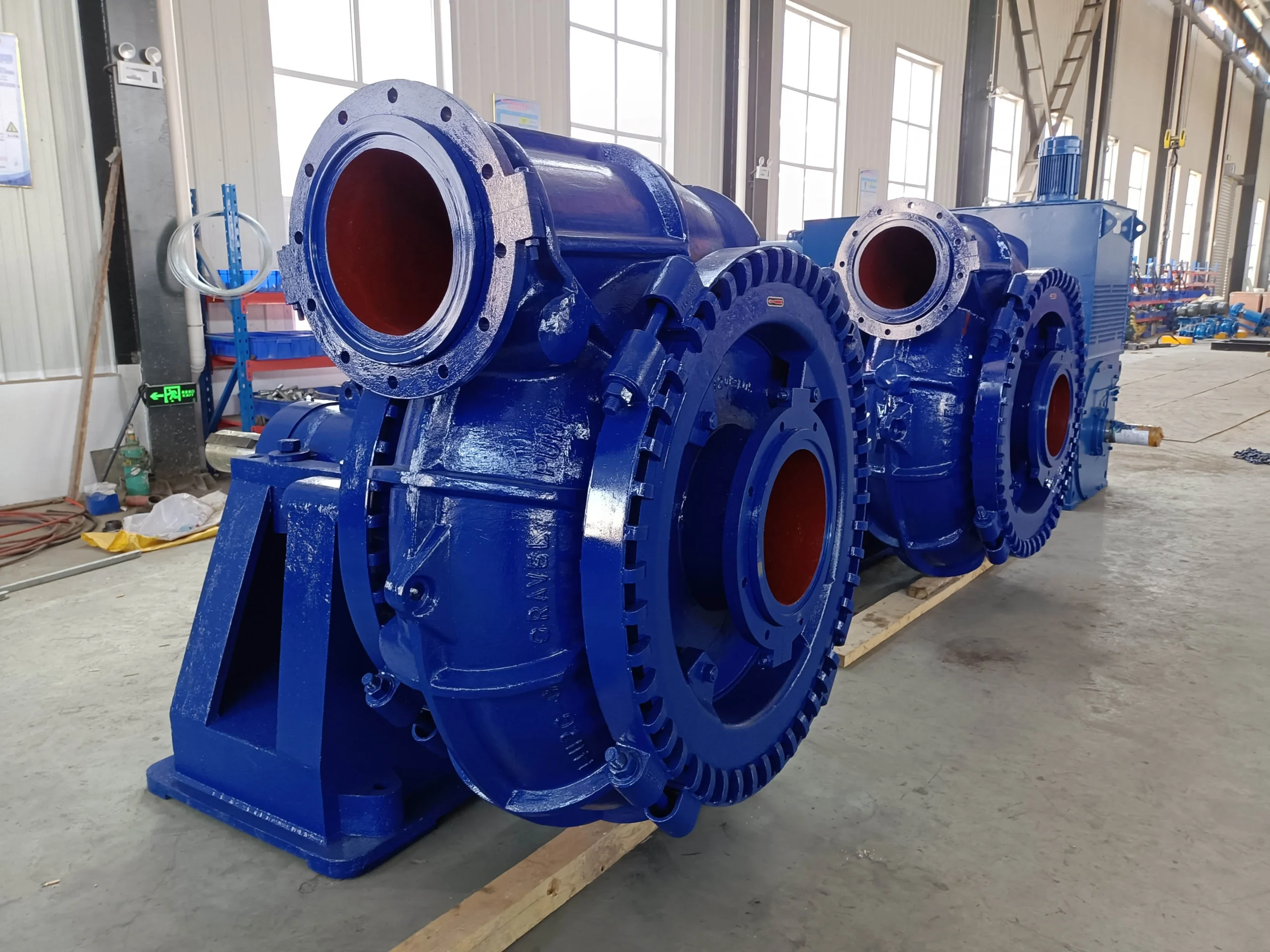
We offer a wide range of Sand Dredge Slurry Pumps that can be used to pump sand. A mixture of sand and water with up to 70% solids by weight is pumped. Sand and
When sourcing components for slurry pumps, the volute liner is a critical element impacting performance and longevity. Quality Slurry Pump stands as a leading China slurry pump volute liner supplier, offering robust and precisely engineered solutions.
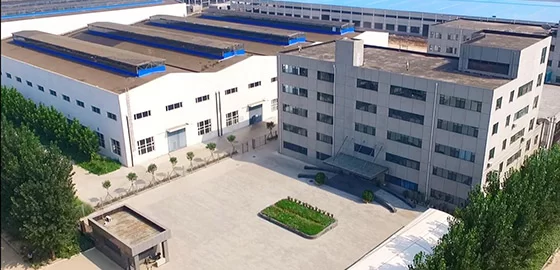
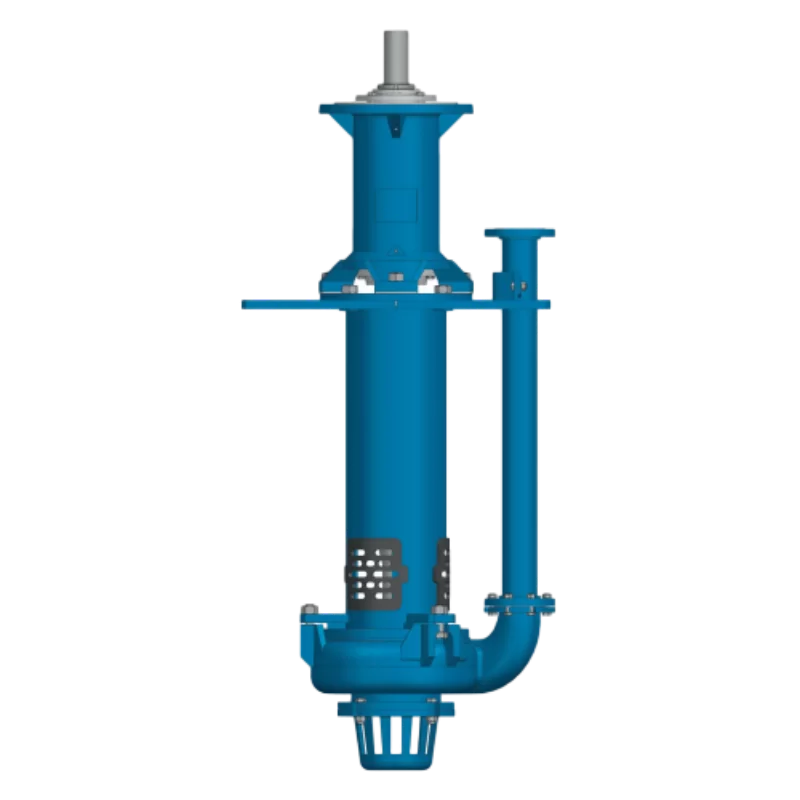
Slurry pumps are mainly used in various industries for the pumping of various slurries containing solid particles. Regarding the structure classification of
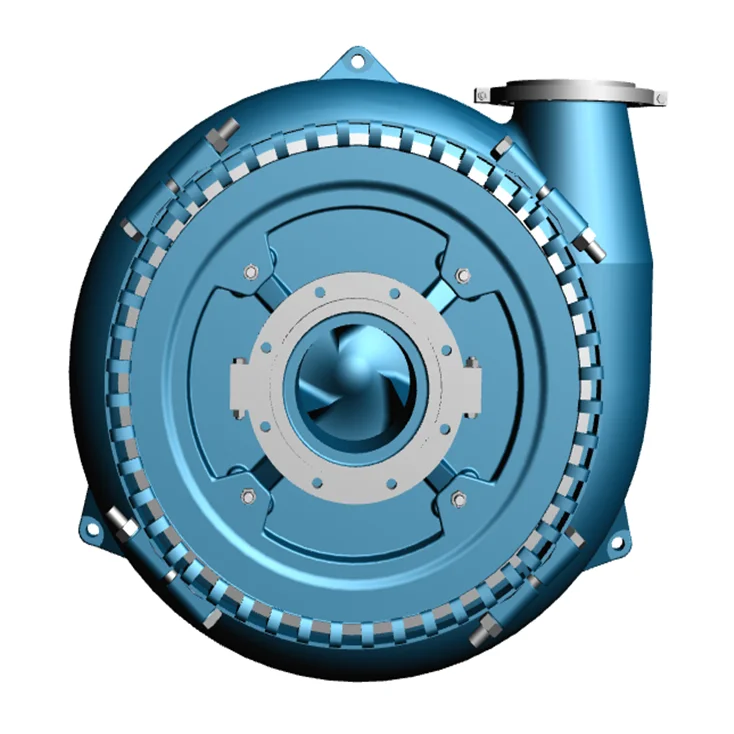
Slurry pumps for sand and gravel are critical components in numerous industries, from mining and construction to dredging and wastewater treatment. Their ability to efficiently transport abrasive mixtures over long distances is essential for project success and minimizing operational costs. Understanding the nuances of these pumps, including their design, materials, and operational parameters, is paramount for engineers, project managers, and operators alike. A properly selected and maintained slurry pump for sand and gravel significantly impacts productivity, reduces downtime, and extends the lifespan of the entire system. The global demand for infrastructure development, resource extraction, and environmental remediation continues to drive the need for reliable and efficient slurry pumping solutions. Growing populations and increasing urbanization necessitate large-scale construction projects, frequently involving significant volumes of sand and gravel. Furthermore, the need for responsible environmental practices demands effective solutions for managing sediment and pollutants in waterways, often relying on robust slurry pump for sand and gravel systems. According to the World Bank, global infrastructure investment is projected to reach $94 trillion by 2040, amplifying the importance of efficient material handling technologies.