-1-20260416061013.webp "Optimizing Industrial Operations with HighQuality OEM Slurry Pump Parts")
Feb 22,26
Optimizing Industrial Operations with HighQuality OEM Slurry Pump Parts
Oct 31,25
What makes Slurry Pumps special?
Mar 10,26
Find a Reliable OEM Slurry Pump Bearing Assembly Supplier for Optimal Performance
OEM Slurry Pump Bearing Assembly Supplier: A Comprehensive Guide
Feb 02,26
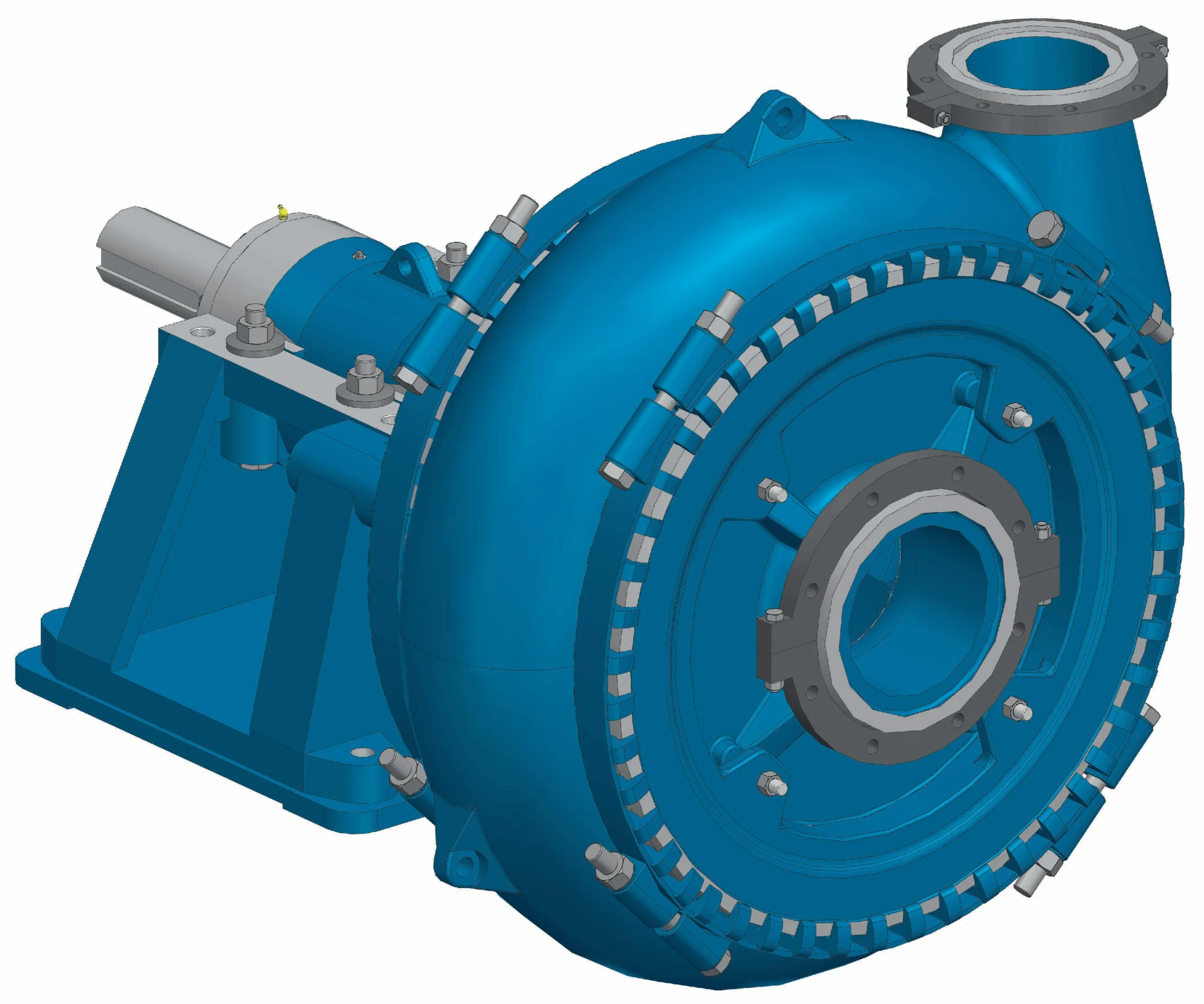
Understanding Durable Gravel Pump Design and Material Considerations
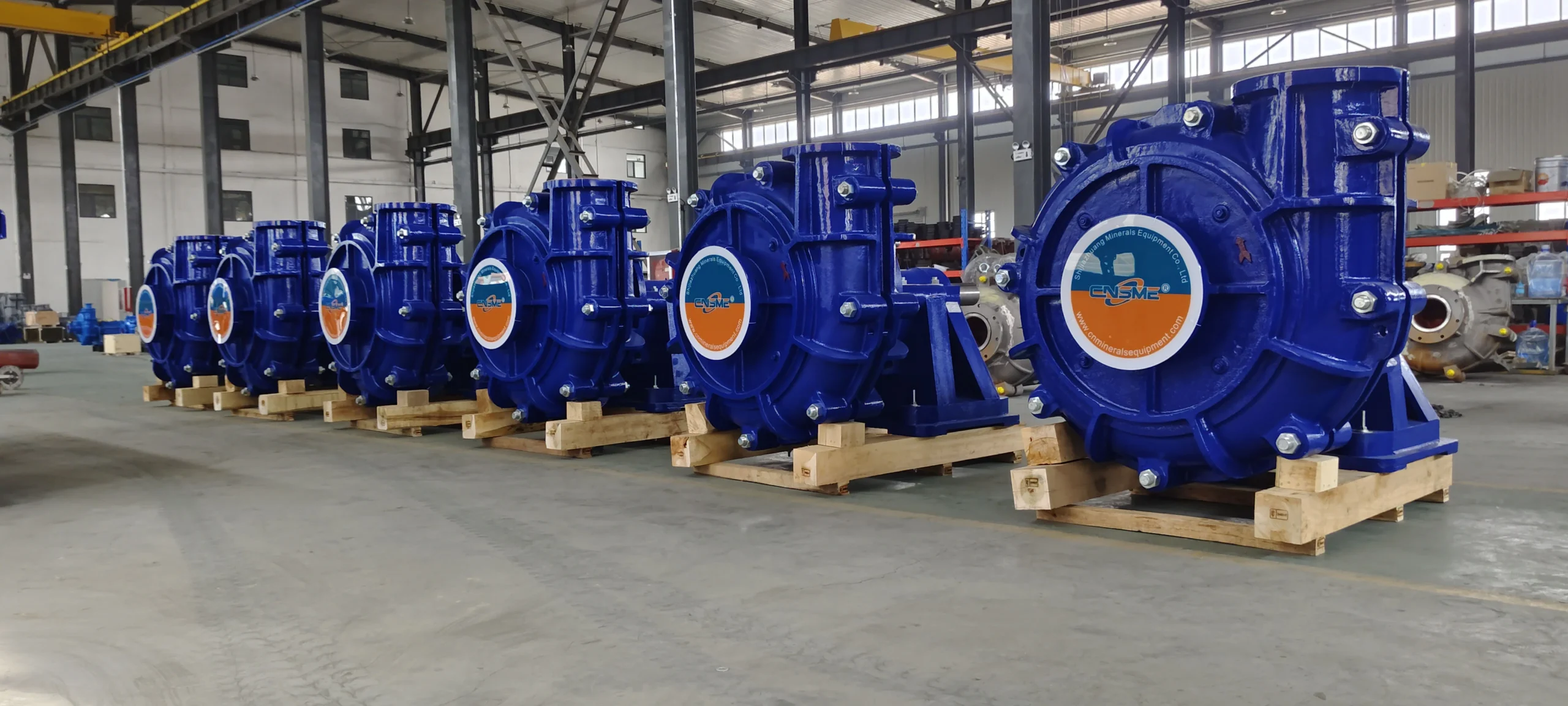
You know, I've been running around construction sites for years, and the biggest trend lately? Everyone's obsessed with minimizing weight. Lighter materials, thinner walls… It's all about getting the job done faster and cheaper, but honestly, sometimes I worry we're sacrificing durability. It's a trade-off, right? We've all seen what happens when things are too lightweight. I've seen so many designs that look good on paper, but fall apart in the real world. Have you noticed how everyone wants these sleek, minimalist designs? It's fine, I guess, but integrating cable management, or even just decent access panels, is often an afterthought. They design these things in an office, they don't spend weeks wrestling with them in the mud. Then I'm the one getting yelled at because the electrician can't reach the damn terminals. We use a lot of high-density polyethylene for the pump housings these days. Good stuff. It’s got that… plastic-y smell, but it's tough. Surprisingly tough. Feels a little waxy to the touch, needs gloves if you’re handling it all day. And then, of course, there's the cast iron for the impeller and volute. Heavy as hell, but you can’t beat the abrasion resistance. I encountered this at a pump factory in Jiangsu Province last time – they were trying to switch to a polymer impeller to save weight, but it just couldn’t handle the gravel. Completely shredded within a month.
Mar 18,26
Slurry Pump Solutions For Chemical Processing
Dec 08,25
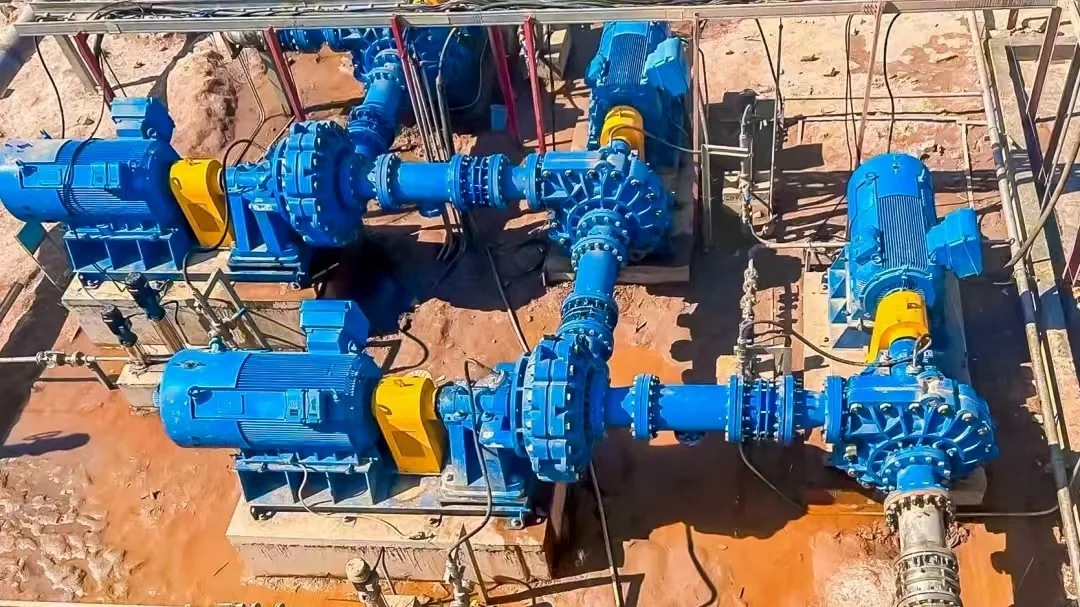
Series and Parallel Operation Modes for Slurry Pumps
Slurry pumps are designed to convey high-concentration, high-viscosity, corrosive media with substantial particulate content. For large volumes of highly viscous slurry, it is sometimes necessary to employ two or more slurry pumps to accomplish the task.
bscribe newslette


![[Copy] Cast Iron Pump Base](https://images.cnmqh.com/images/a10076/cXVhbGl0eXNsdXJyeXB1bXAtMDAzTS4.webp "[Copy] Cast Iron Pump Base")