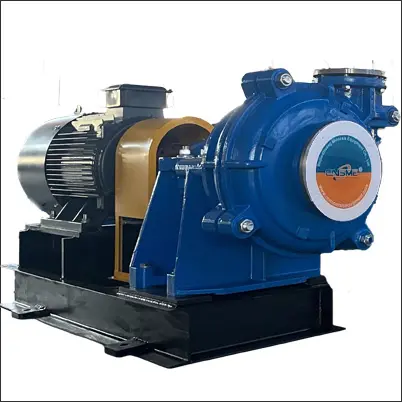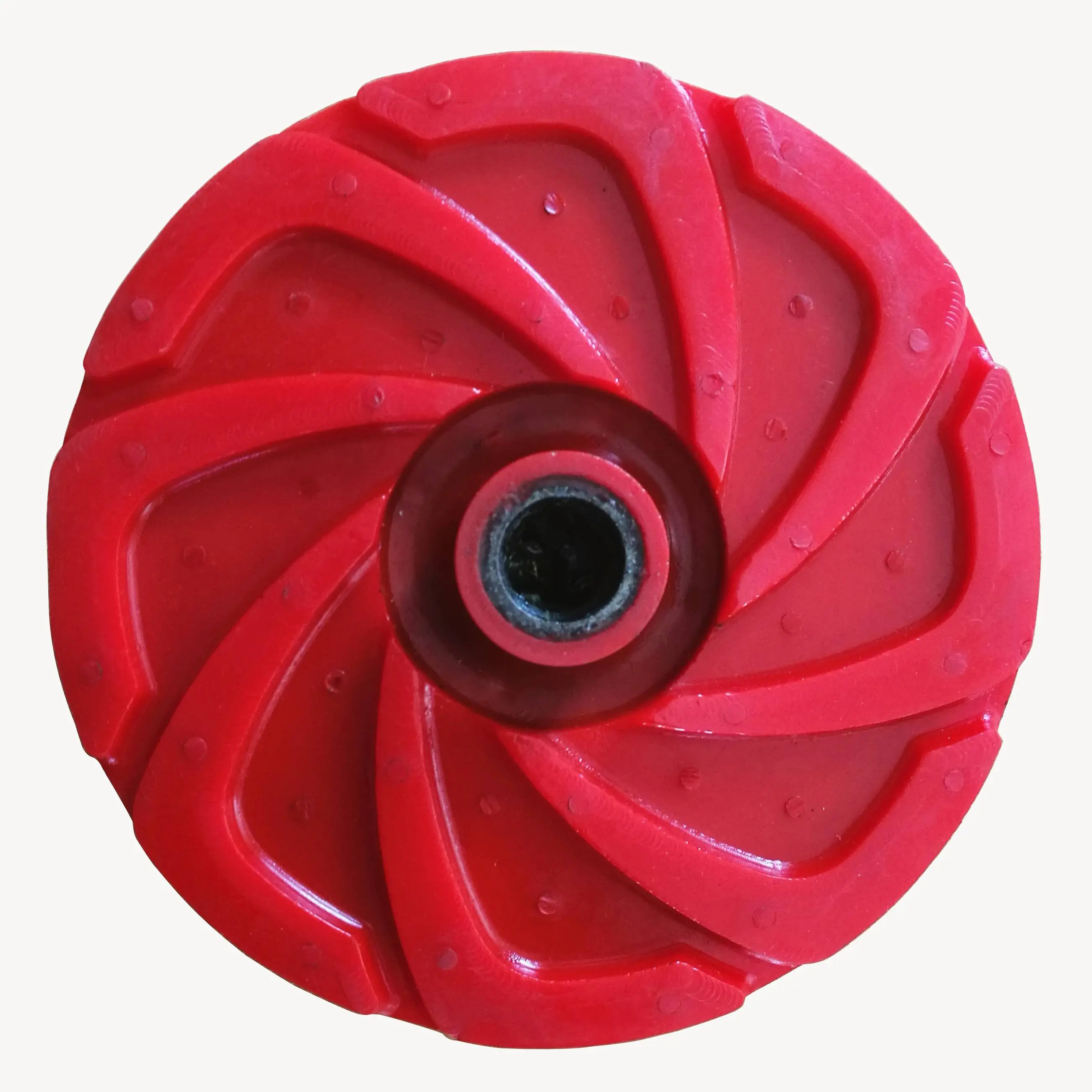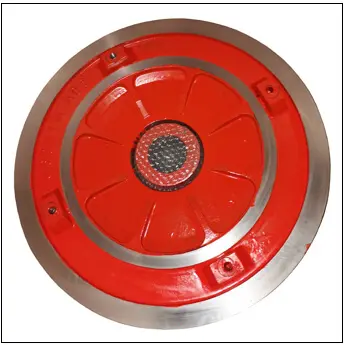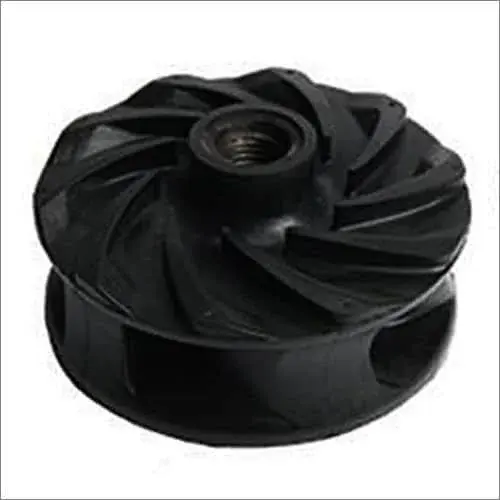
First, raw material procurement The first step in slurry pump production is raw material procurement. The choice of raw materials in the pump industry is wide,
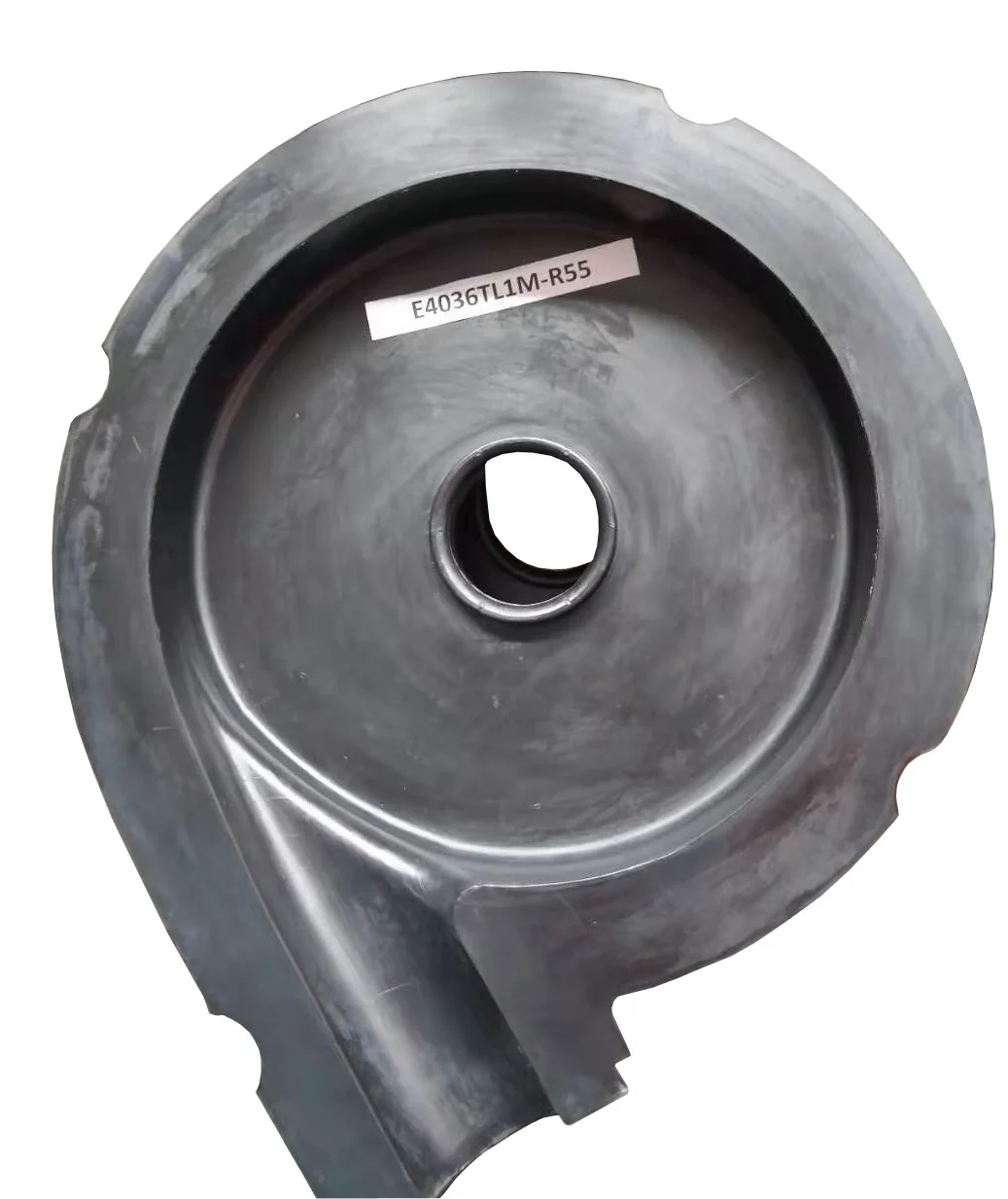
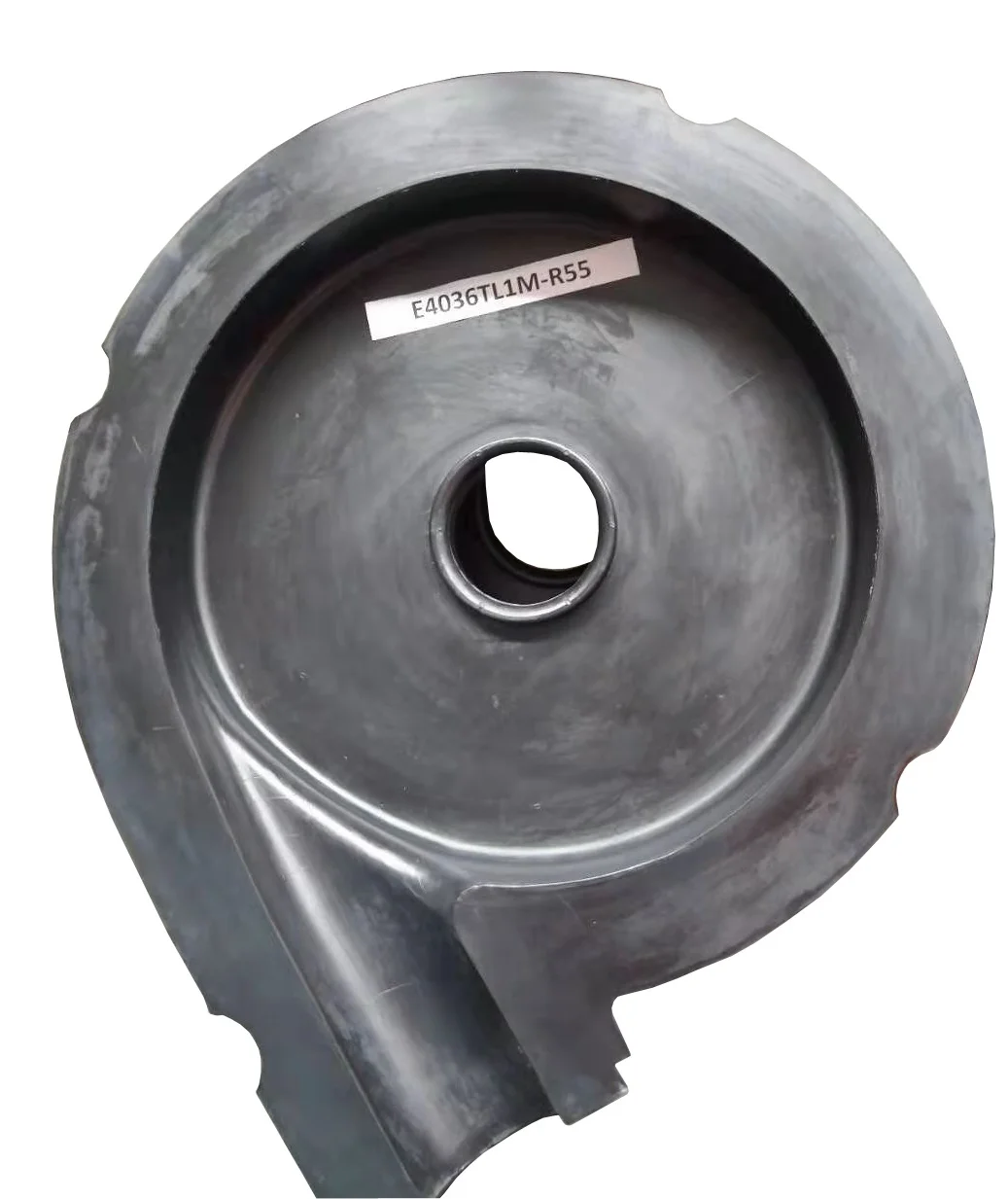
Slurry pump frame plate liners are critical components in the reliable and efficient operation of slurry pumps, serving as a protective barrier against abrasive materials and corrosive fluids. These liners significantly extend the lifespan of the pump casing, reducing maintenance costs and downtime across diverse industries. Understanding the materials, design, and application of these liners is paramount for optimizing slurry handling systems. The global demand for efficient slurry handling, driven by mining, wastewater treatment, and chemical processing, necessitates continued innovation in slurry pump frame plate liner technology. Incorrect material choice can lead to rapid wear and failure, resulting in costly repairs and production losses. A well-chosen liner safeguards the pump investment, ensuring consistent performance and minimizing environmental impact. Furthermore, advancements in liner materials, such as high-chromium cast irons and specialized elastomers, are constantly improving resistance to erosion, corrosion, and impact, making slurry handling processes more sustainable and economical.

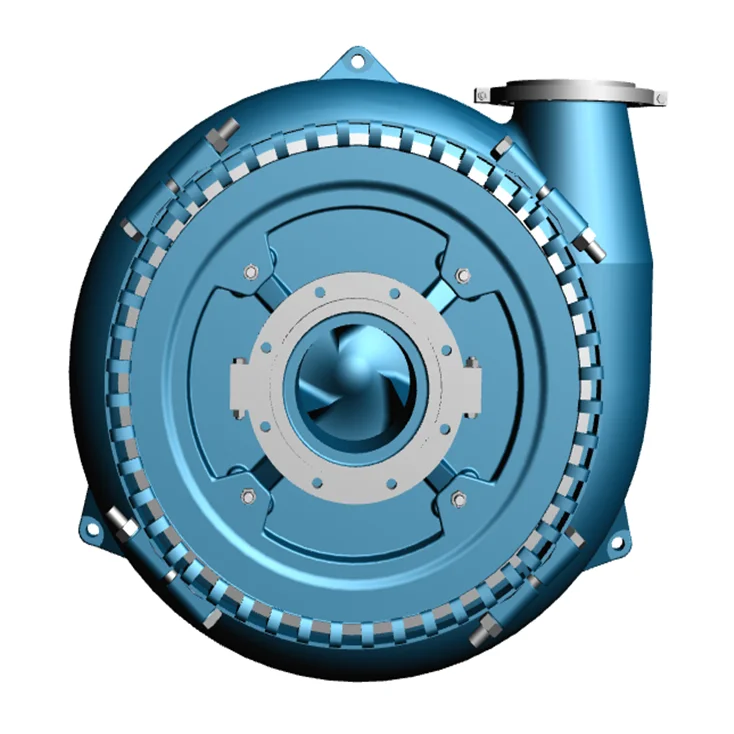
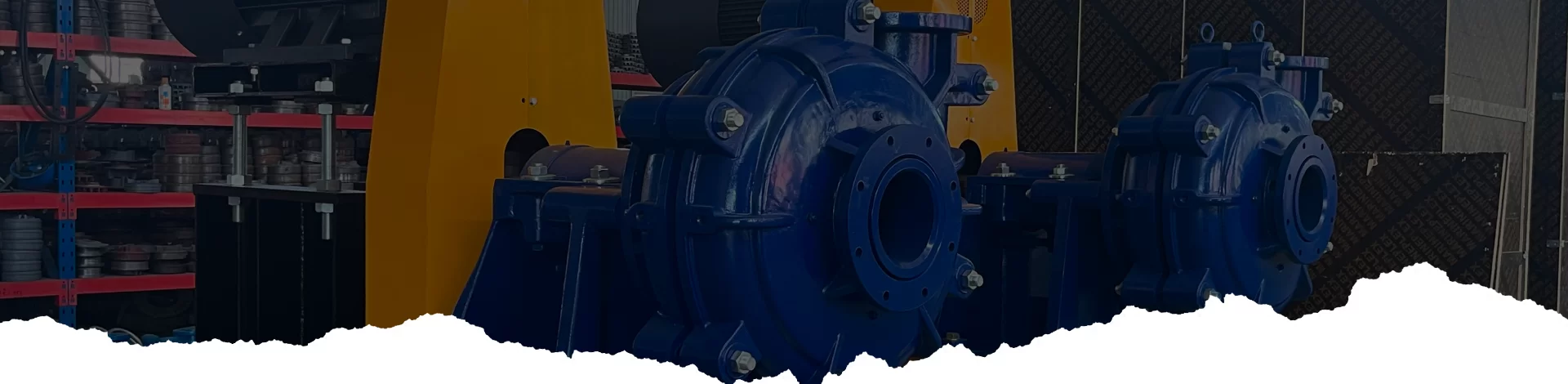
Slurry pump casings are critical components in a vast array of industrial processes, responsible for containing and directing abrasive and corrosive fluids. Their design and material selection directly impact the efficiency, reliability, and longevity of slurry pumping systems. Understanding the intricacies of slurry pump casing construction is paramount for engineers, operators, and maintenance personnel involved in industries like mining, wastewater treatment, and chemical processing. The global demand for robust and effective slurry handling solutions continues to grow, driving innovation in casing materials and designs. The significance of a well-engineered slurry pump casing extends beyond simply housing the impeller and volute. It directly affects hydraulic performance, minimizing energy consumption and maximizing throughput. A compromised casing can lead to catastrophic failures, resulting in costly downtime, environmental damage, and safety hazards. Consequently, the selection and maintenance of slurry pump casings are essential for sustainable and profitable operations.
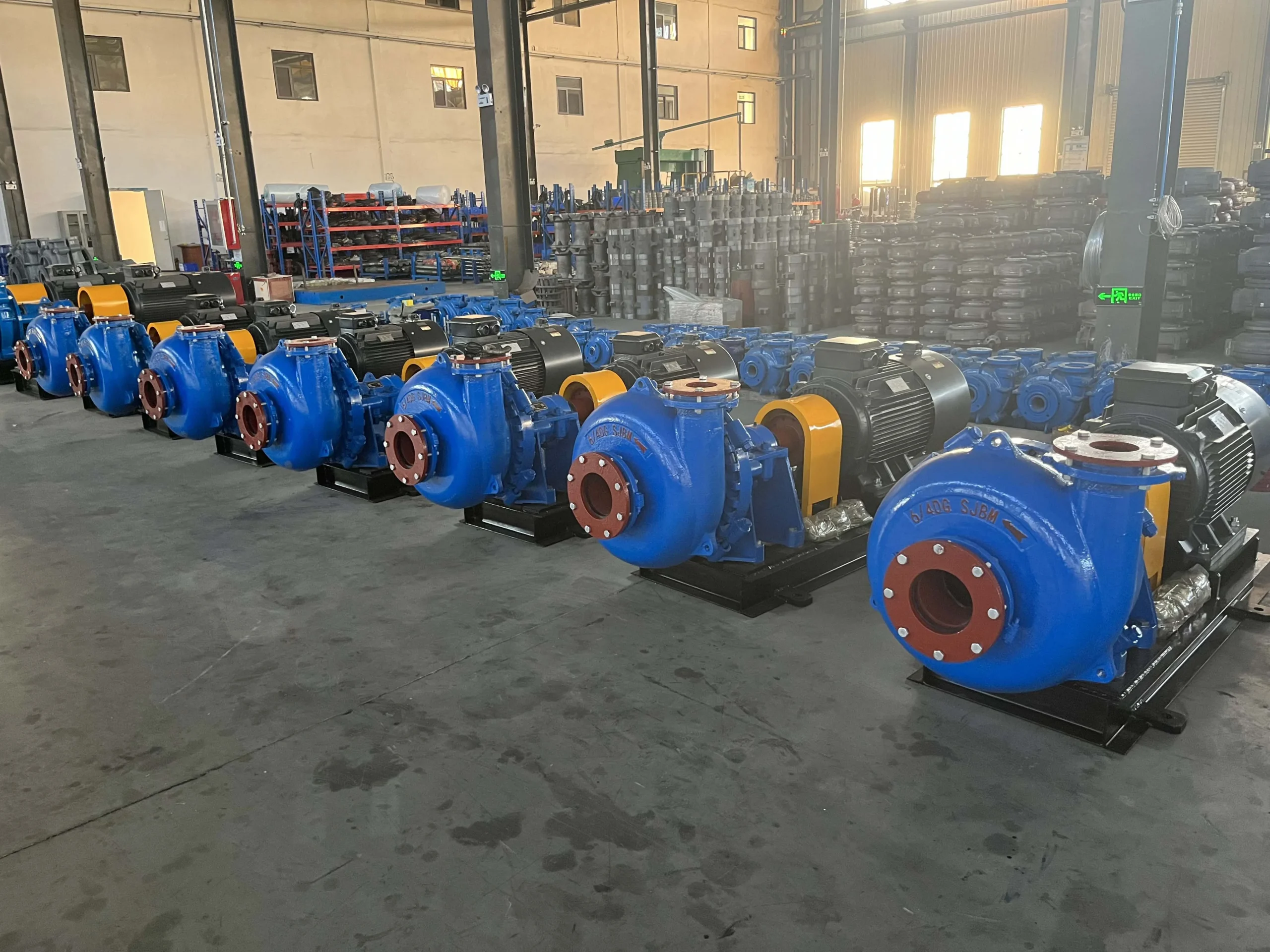
Slurry pumps for sand and gravel are critical components in numerous industries, from mining and construction to dredging and wastewater treatment. Their ability to efficiently transport abrasive mixtures over long distances is essential for project success and minimizing operational costs. Understanding the nuances of these pumps, including their design, materials, and operational parameters, is paramount for engineers, project managers, and operators alike. A properly selected and maintained slurry pump for sand and gravel significantly impacts productivity, reduces downtime, and extends the lifespan of the entire system. The global demand for infrastructure development, resource extraction, and environmental remediation continues to drive the need for reliable and efficient slurry pumping solutions. Growing populations and increasing urbanization necessitate large-scale construction projects, frequently involving significant volumes of sand and gravel. Furthermore, the need for responsible environmental practices demands effective solutions for managing sediment and pollutants in waterways, often relying on robust slurry pump for sand and gravel systems. According to the World Bank, global infrastructure investment is projected to reach $94 trillion by 2040, amplifying the importance of efficient material handling technologies.