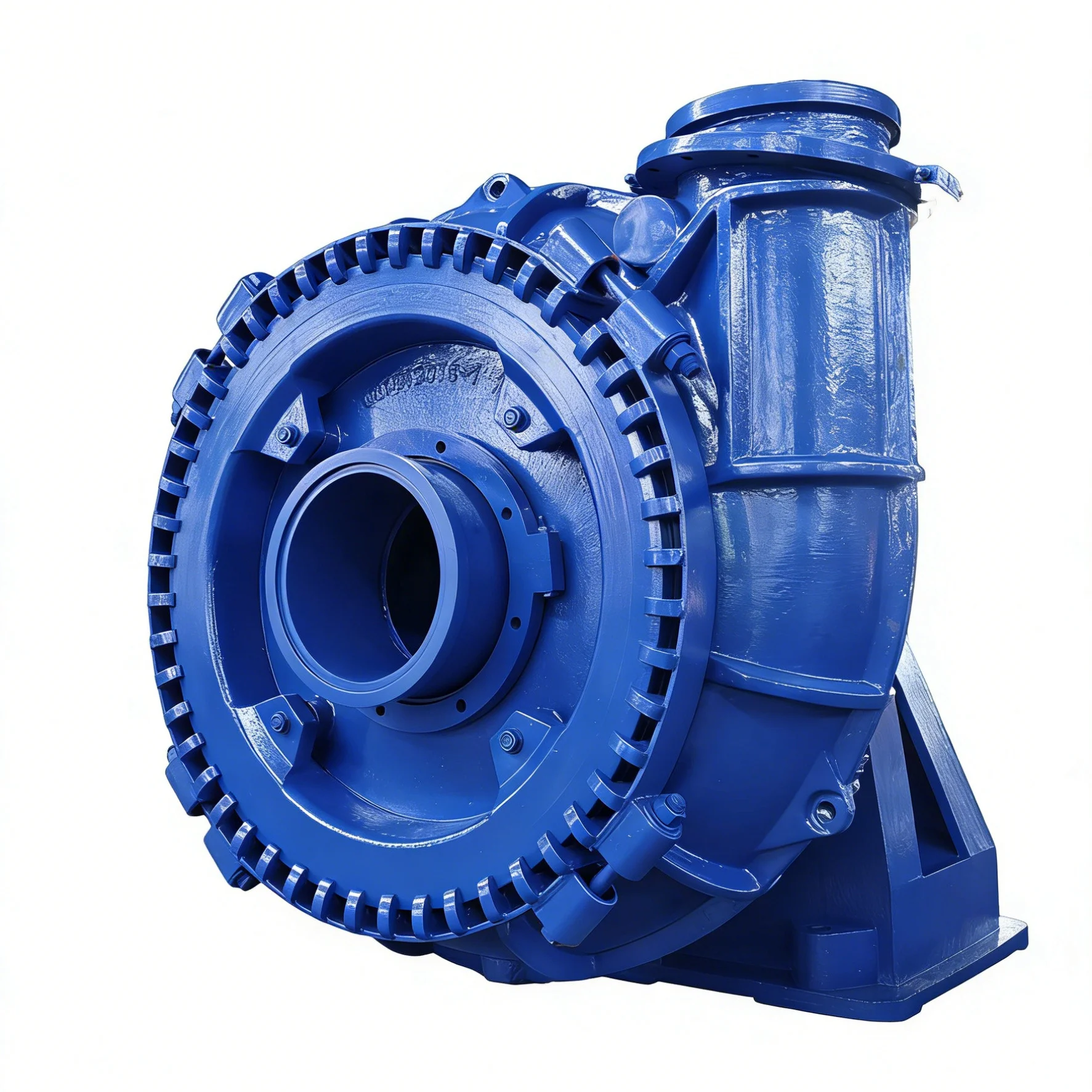
Inside a China Heavy Duty Slurry Pump Factory: What You Need to Know
Having spent a considerable chunk of my career inspecting and working alongside slurry pump manufacturing plants across Asia, I can say one thing for certain: when it comes to heavy duty slurry pumps, China's factories have come a long way. Now, don’t get me wrong — the reputation for “cheap and cheerful” still lingers outside the sector, but frankly, the engineering and build quality on many of these pumps is impressively solid.
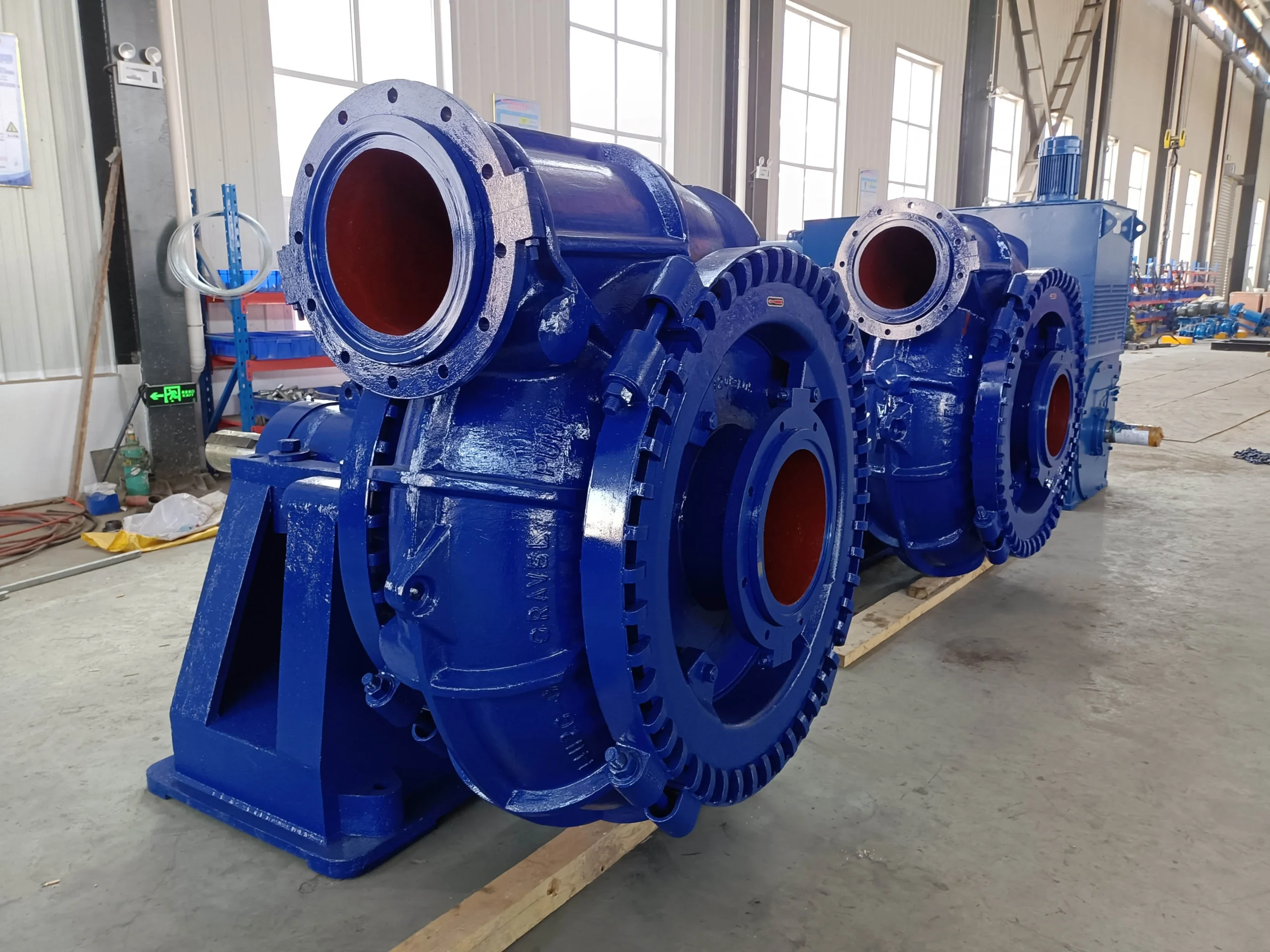
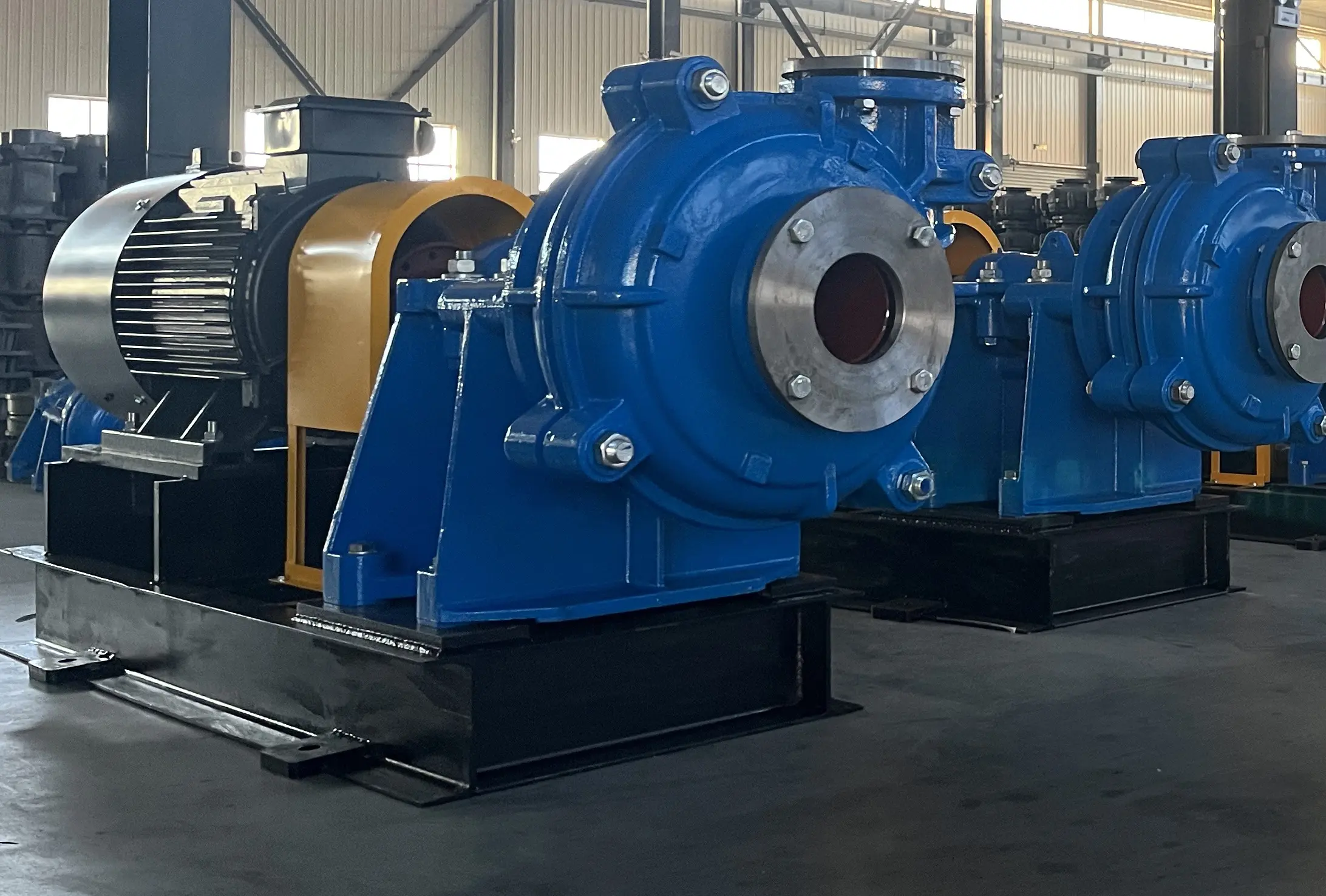
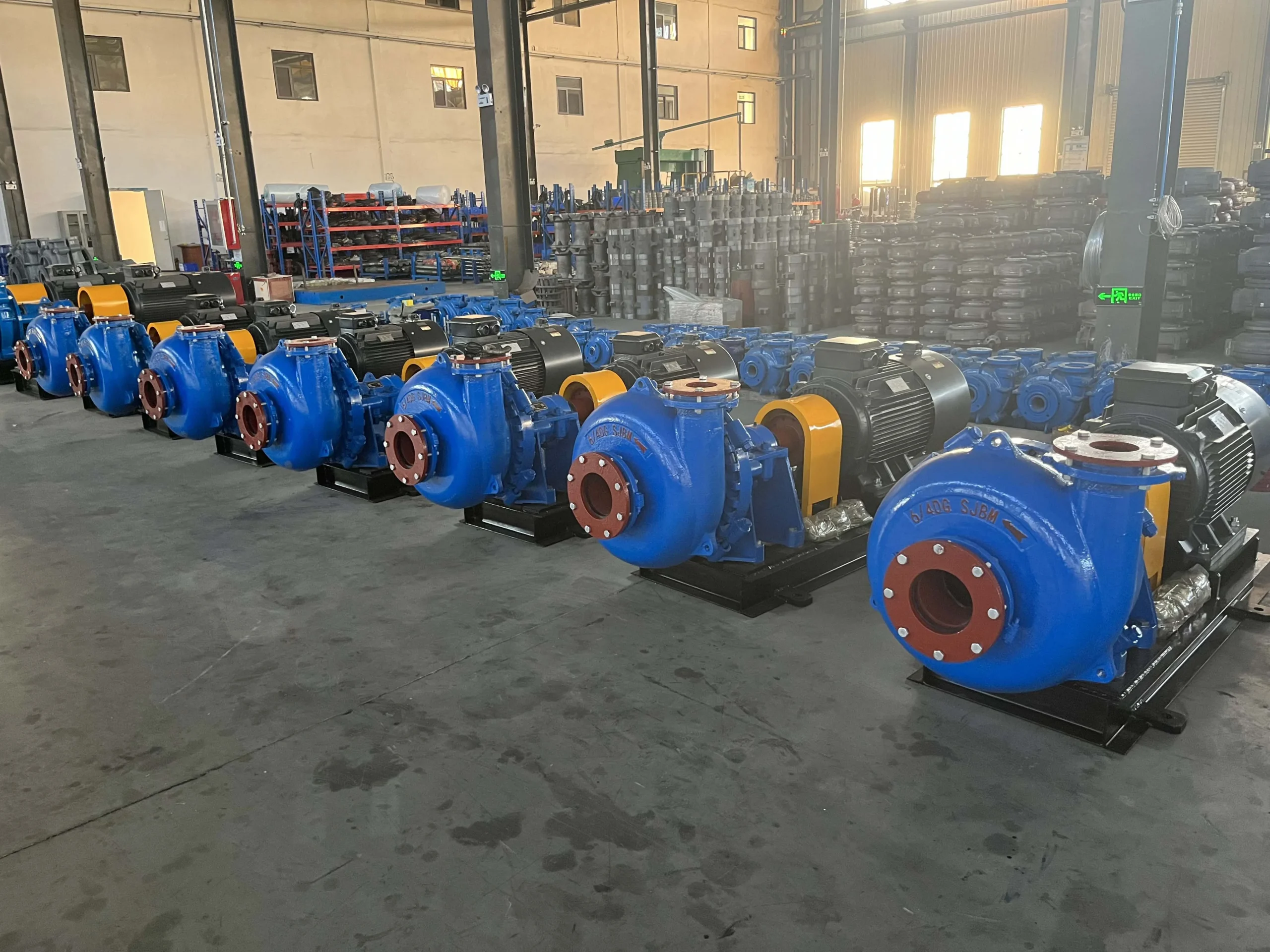
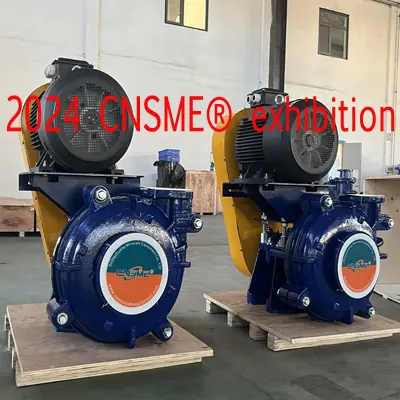
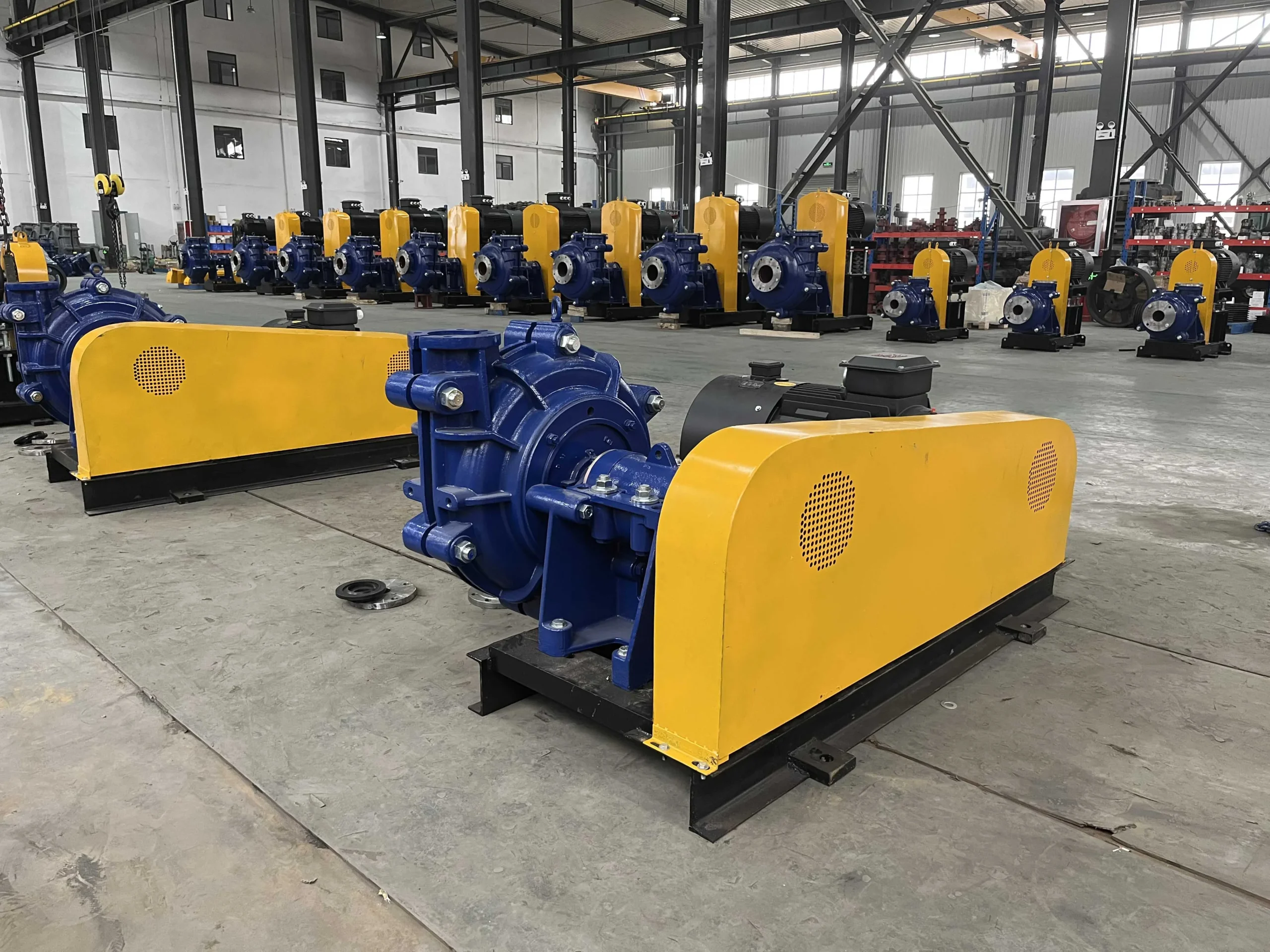
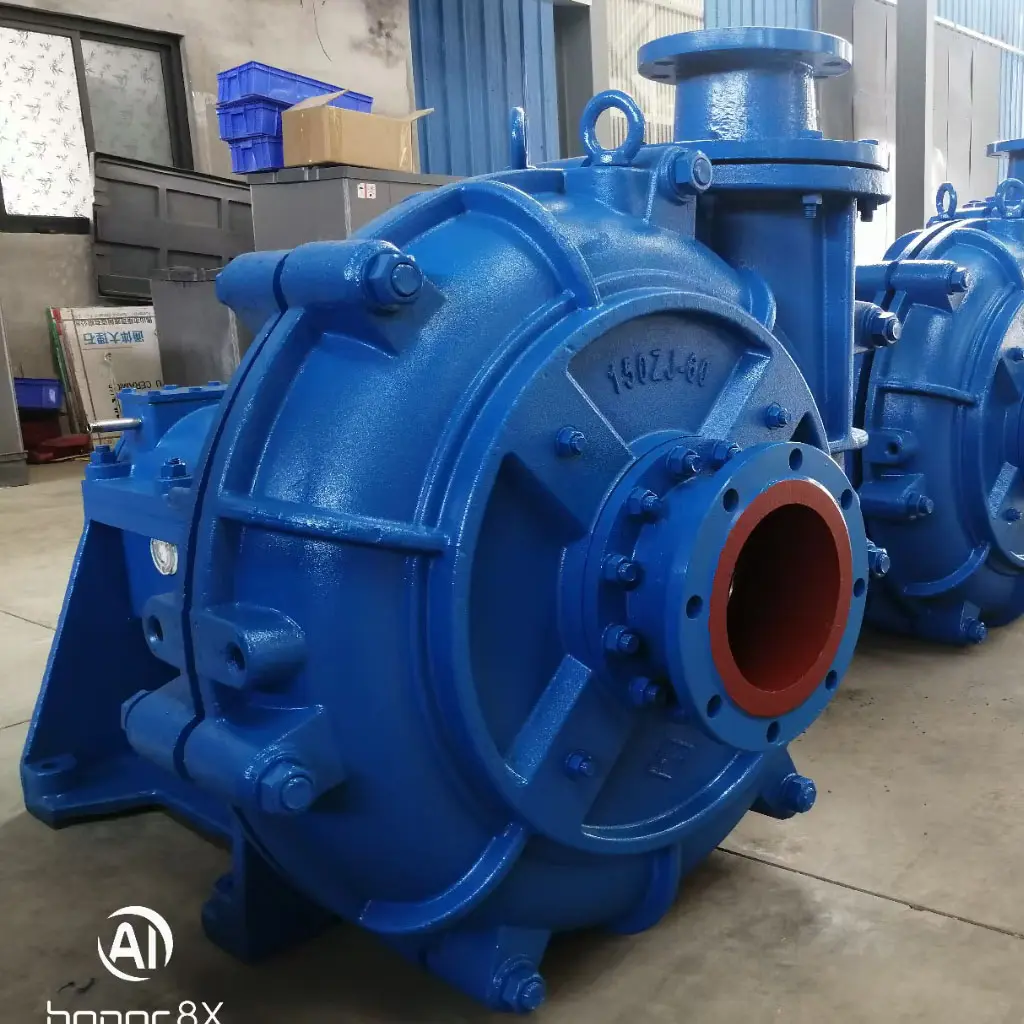
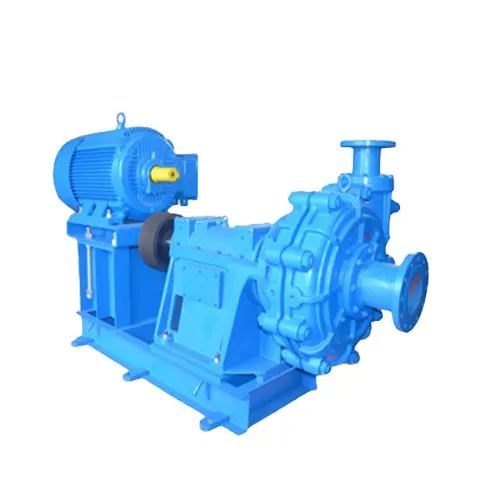
The China heavy duty slurry pump factory scene is huge and somewhat diverse, ranging from small workshops assembling off-the-shelf designs, to large-scale manufacturers with extensive testing labs and customization capabilities. I’ve had a few “aha” moments walking through these factories — it’s not just about putting parts together, but about designing pumps to withstand the worst slurry materials and the harshest environments.
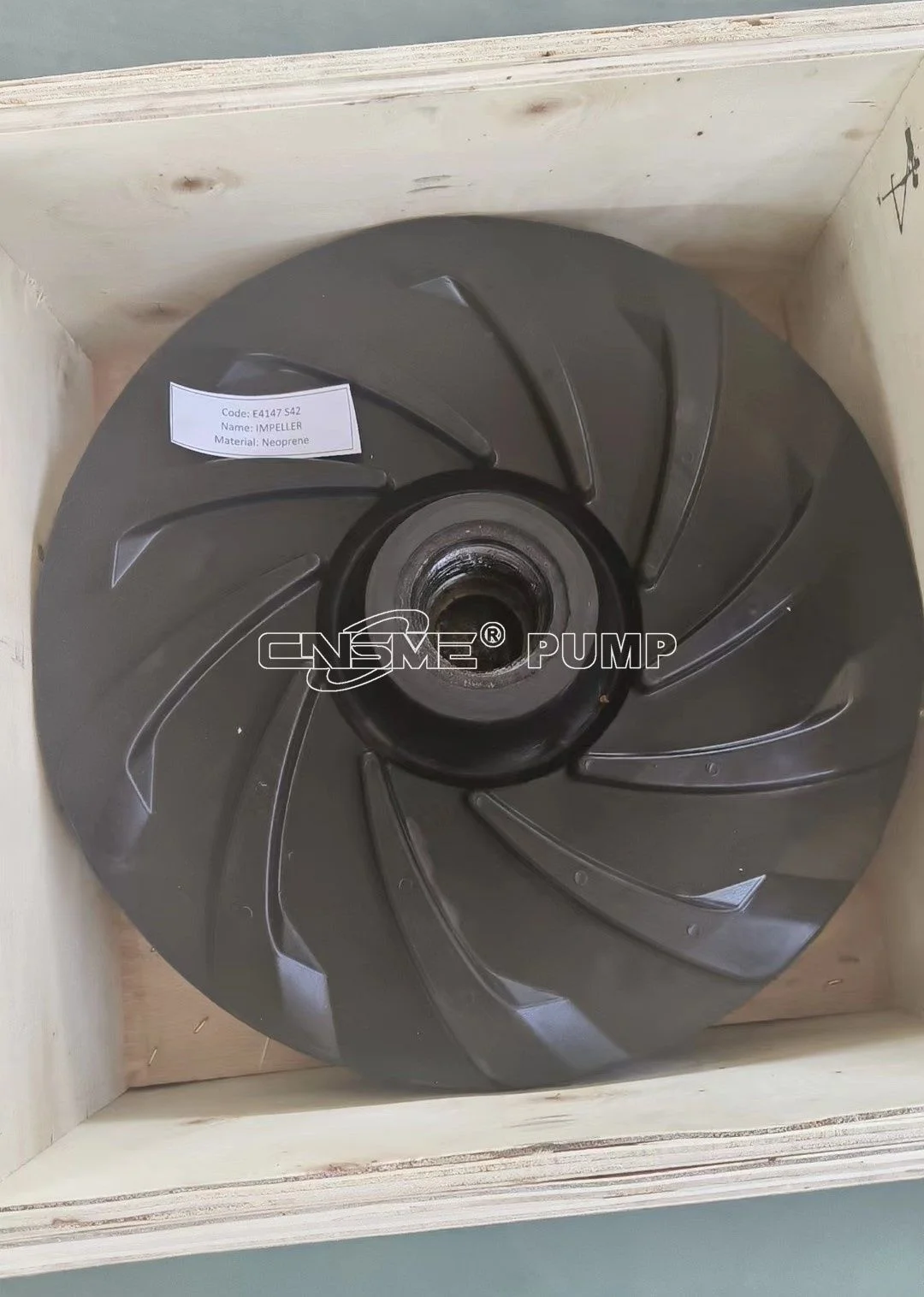
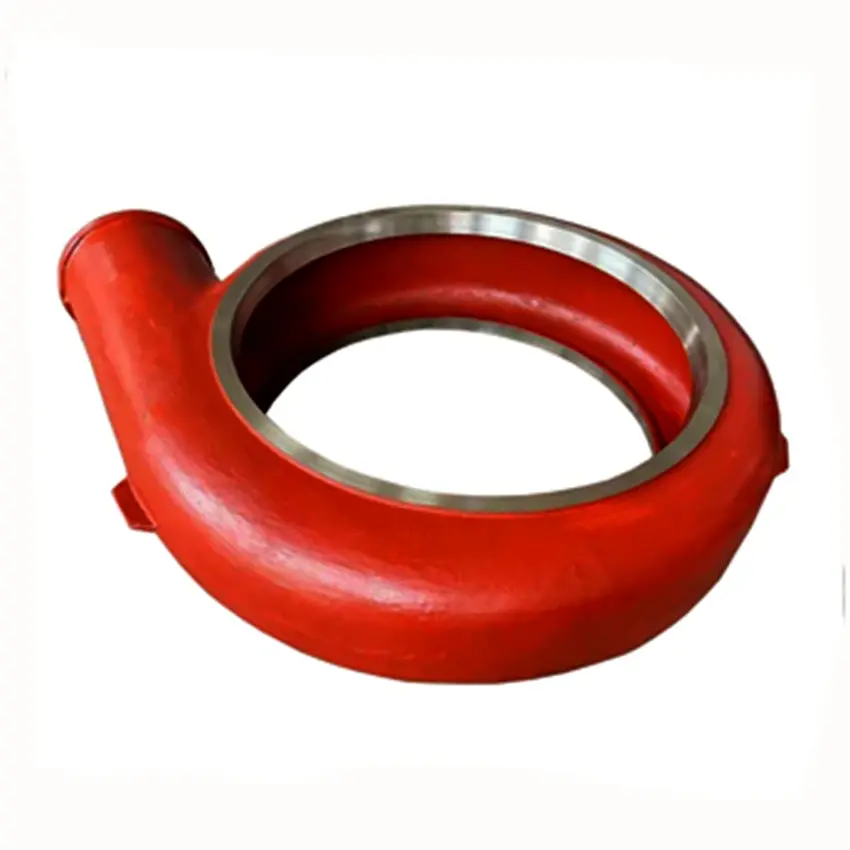
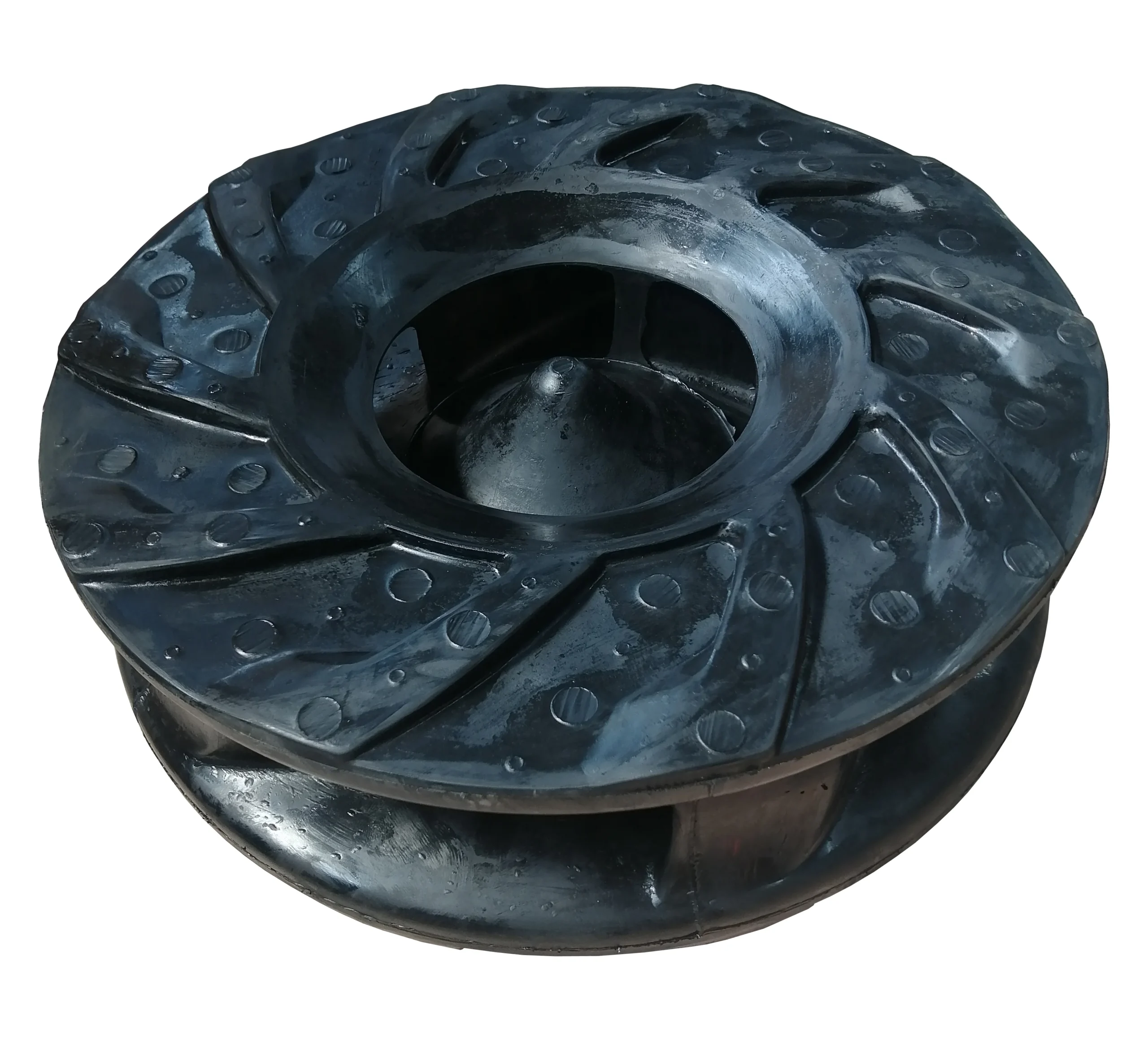
One thing that caught my eye early on was the variety of materials used for wet-end components. From high chrome alloys to polyurethane linings, these materials are what really determine longevity. If the slurry pump’s impeller or casing can resist abrasion and corrosion, you’re golden. Many engineers I worked with would say, “Choose the right material, and you can double the pump’s lifespan.” That aligns with what I've observed — not some vague marketing stuff, but real-world performance.
Customization is another point where these Chinese factories shine. Some customers require unique shaft lengths, specific seal arrangements, or even variable speed capabilities. It’s interesting because, in real terms, this flexibility often comes at a fraction of the cost compared to Western suppliers, yet without a big compromise in quality. The design teams there tend to be practical — if you ask for something custom, they’ll prototype it, run it through testing, and iterate quickly.
For example, a client once needed a slurry pump to handle highly abrasive tailings slurry at a mining site, with a demanding uptime requirement. The factory worked with them to develop a pump featuring a multi-vane impeller and reinforced casing. The client told me afterward that the pump’s performance surpassed expectations and reduced downtime by nearly 30%.
Example Product Specifications| Specification | Typical Range/Details |
|---|
| Flow Rate | 10 – 1500 m³/h |
| Heads | 5 – 120 m |
| Temperature Range | -20°C to 80°C (fluid) |
| Impeller Materials | High Chrome Alloy / Stainless Steel / Polyurethane |
| Sealing Types | Mechanical Seal / Packing Seal |
| Power Range | 5 – 500 kW |
Now, I should admit, not every factory out there meets the highest standards. It’s a bit like mining for gems: you need to know where to look. To help, here’s a quick comparison of three typical vendors I encountered — it might save you time and trouble when selecting your partner.
China Heavy Duty Slurry Pump Vendors Comparison| Vendor | Customization | Quality Control | Lead Time | Price Range |
|---|
| Factory A | High — prototypes and testing | ISO 9001 & site inspections | 4–6 weeks | Mid-range |
| Factory B | Medium — standard models mostly | Basic QC checks | 2–3 weeks | Low-budget |
| Factory C | Medium-high — good engineering input | In-house testing + 3rd party audits | 5–7 weeks | Competitive |
In terms of technology, I noticed there's been a steady push towards more energy-efficient designs and better wear-resistance features. Makes sense given the global push for sustainability — even slurry pumps are not exempt. Plus, some factories are integrating automation in the testing process, ensuring each pump meets stringent specifications before shipping. It feels like quality assurance is increasingly taken seriously.
All in all, if you’re hunting for a reliable heavy duty slurry pump from China, it’s worth visiting several factories, asking plenty of questions about materials and testing, and if possible, getting hands-on with samples. Also, a quick shameless plug here — if you’re looking for trusted sources, the folks at Quality Slurry Pump are worth checking out. They blend solid factory experience with professional service — not all vendors do that.
So, what’s the takeaway? China’s heavy duty slurry pump factories have matured into competent, flexible partners—not just low-cost options. If you invest the time, the quality and customization can really pay off. And for anyone like me who’s spent a lot of time knee-deep in mining and industrial sites, that reliability isn’t just a nice-to-have; it’s a deal-maker.
References:
1. Industrial Pumps & Slurry Handling, 3rd Edition, John Wiley & Sons, 2018.
2. Recent Factory Visits & Field Reports, 2022–2023.
3. Material Sciences for Abrasive Slurry Pumps, Tech Journal, 2021.