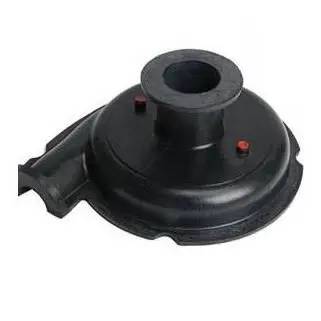
After closely working in the industrial equipment sector for over a decade, I’ve developed a kind of sixth sense about what makes a decent slurry pump and, more importantly, a reliable supplier. Slurry pumps aren’t just off-the-shelf plumbing – they have to endure some of the harshest conditions in mining, dredging, and mineral processing operations. It’s frankly a specialized market, and getting your OEM heavy duty slurry pump supplier right can save you headache, downtime, and frankly, a small fortune.
Now, I’ve seen many pumps fail and many suppliers come and go. What struck me is that many companies gravitate towards the cheapest option, only to deal with premature wear or performance issues. Conversely, the truly sturdy slurry pumps – the ones that keep going through abrasive slurries and corrosive fluids – come from suppliers who obsess over quality, material science, and customization.
Oddly enough, it’s not always the biggest vendor or brand that offers the best fit. In real terms, the best OEM supplier understands your unique requirements – slurry composition, flow rate, and operational environment – and tailors pumps accordingly.
What to Look for in Heavy Duty Slurry Pumps
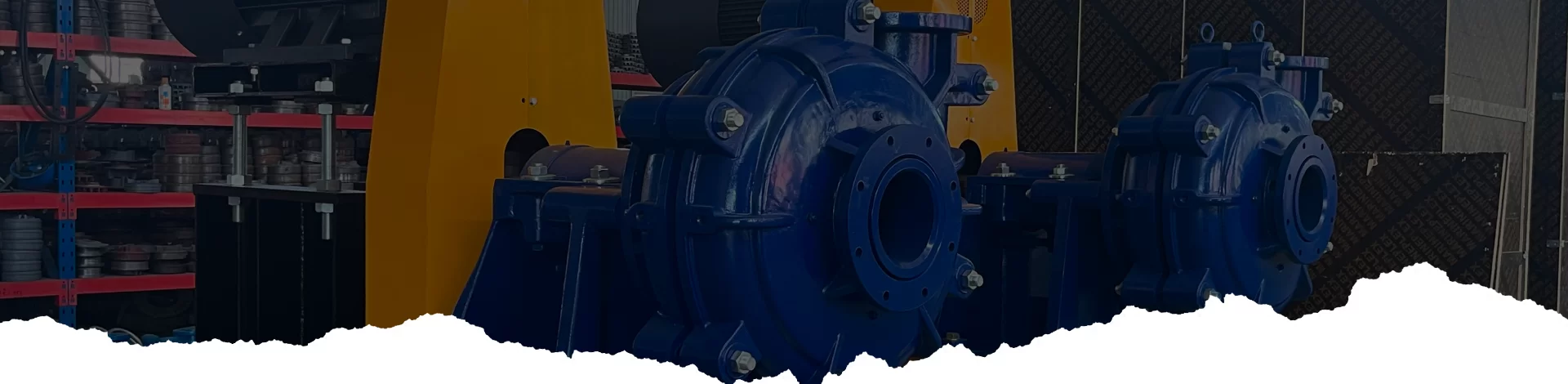
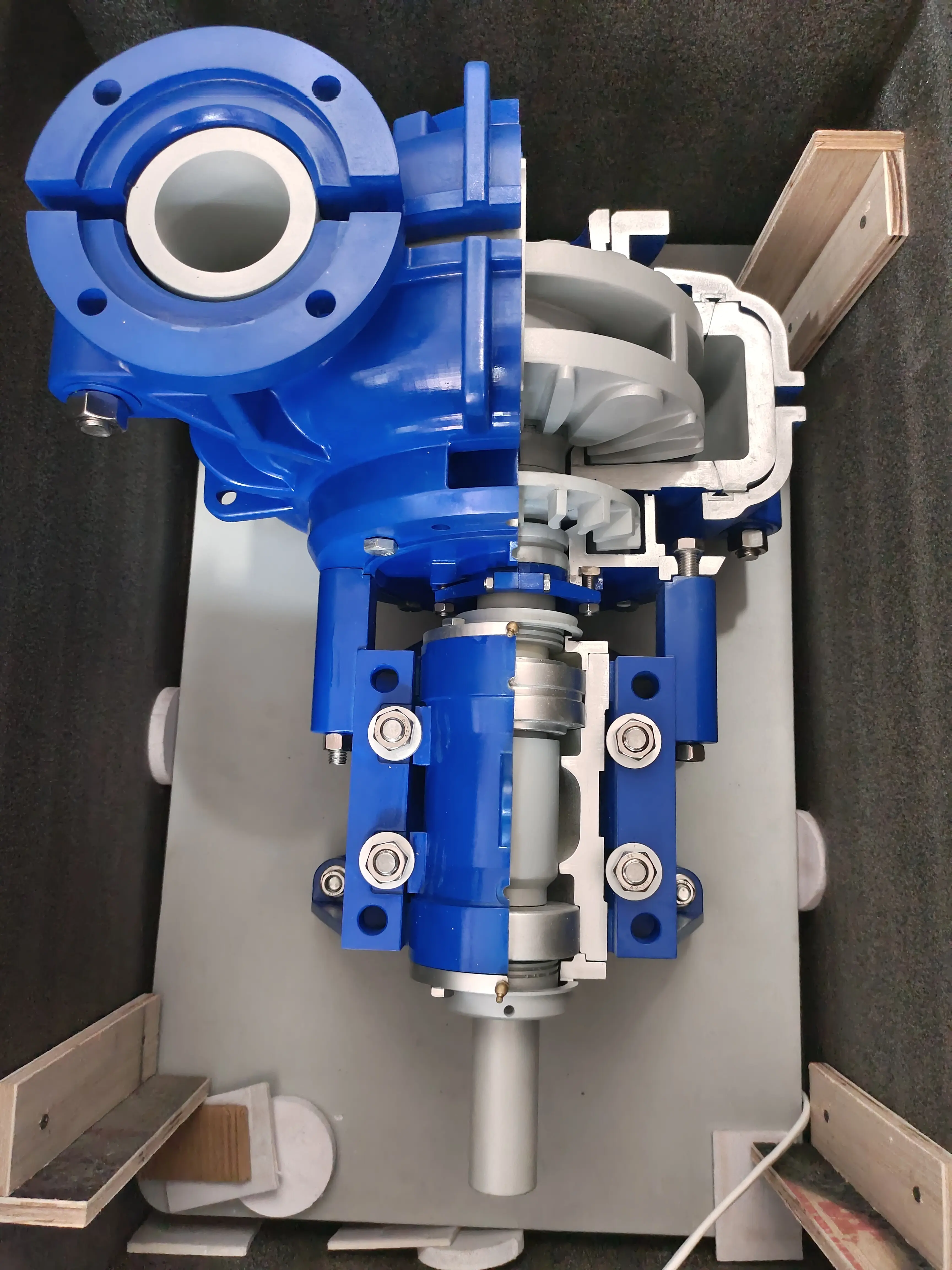
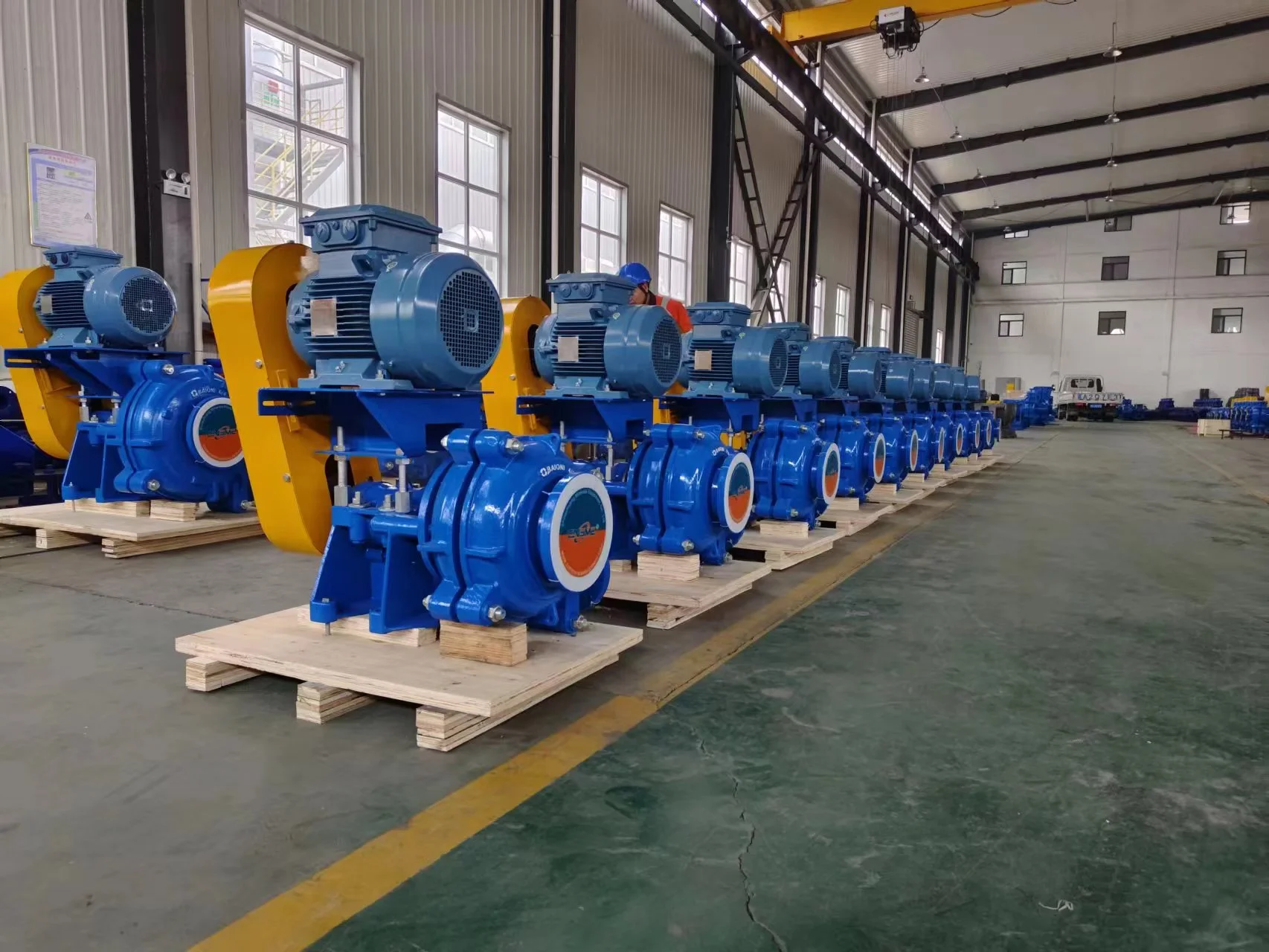
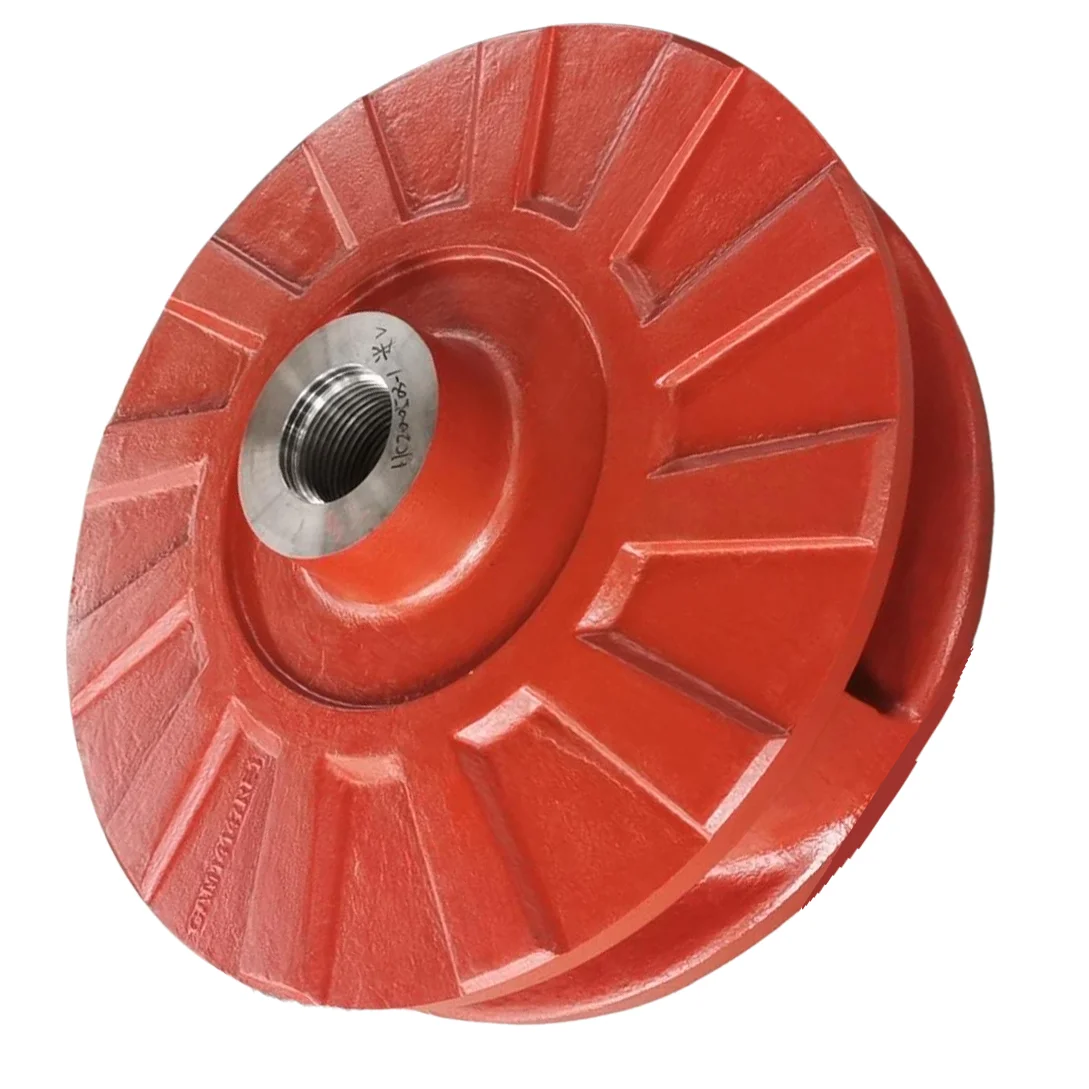
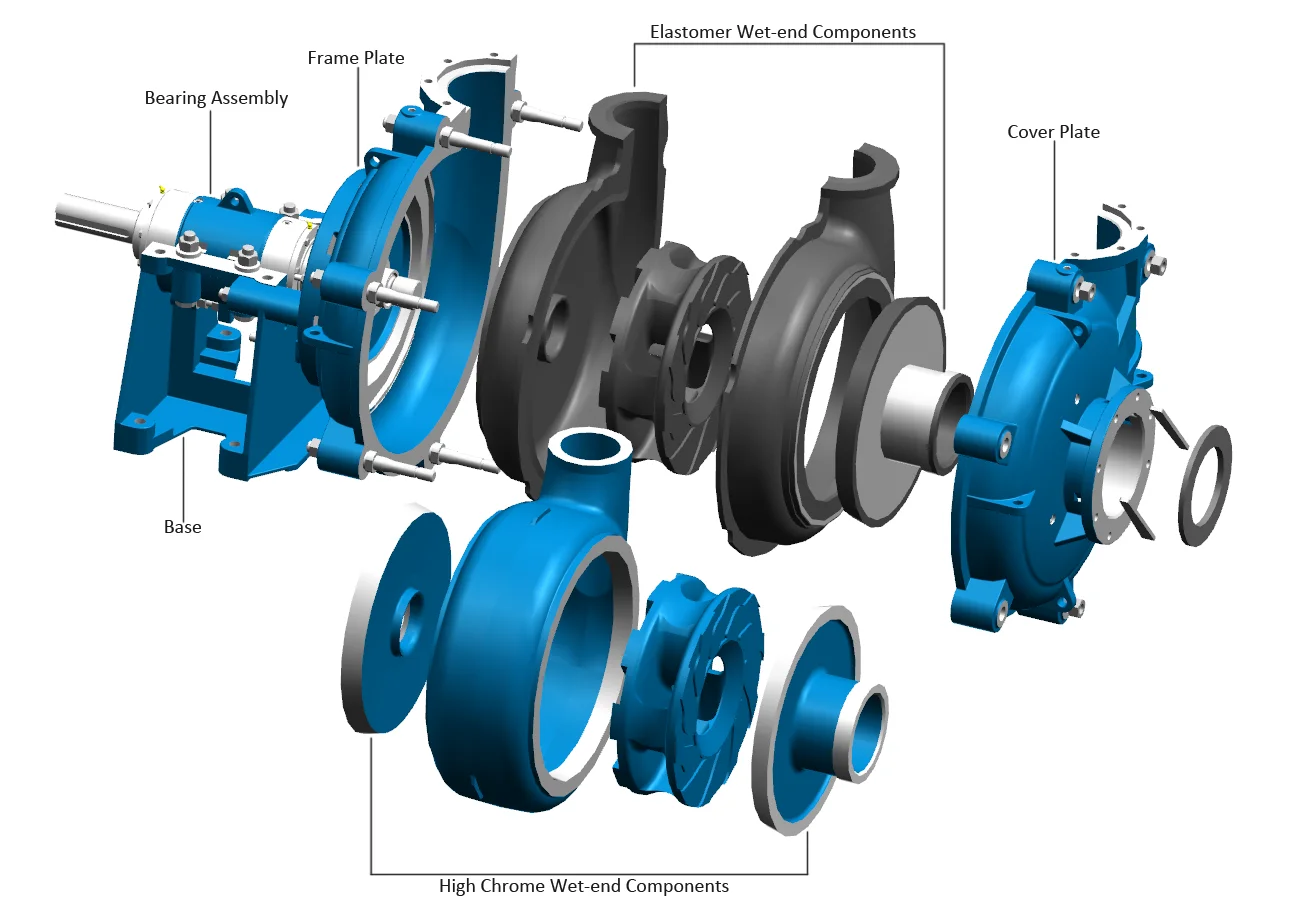
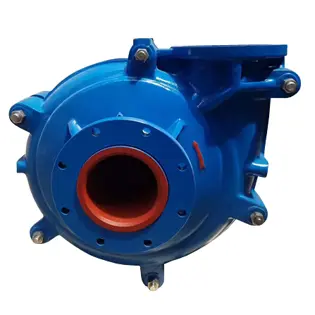
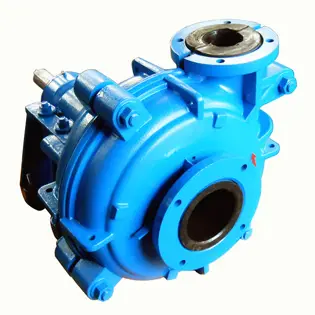
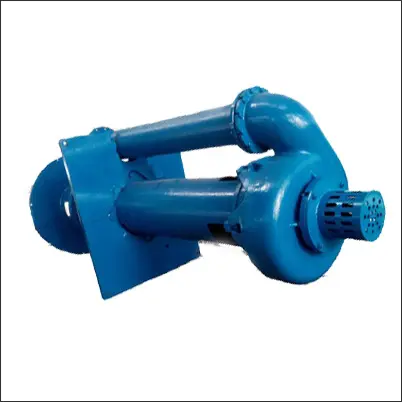
Heavy duty slurry pumps are beasts designed to handle thick, abrasive mixtures. They’re usually centrifugal, made with tough materials like high chrome alloys or rubber linings to resist erosion. Multiple stages might be necessary depending on head pressure requirements.
From personal observation, the key specs to watch closely are:
| Specification | Typical Range/Options |
|---|
| Flow Rate | Up to 6000 m³/h |
| Head Pressure | Up to 120 m |
| Impeller Material | High chrome alloy, rubber, or polyurethane |
| Seals | Mechanical seal or gland packing |
| Drive Types | Electric motor, diesel engine, or hydraulic motor |
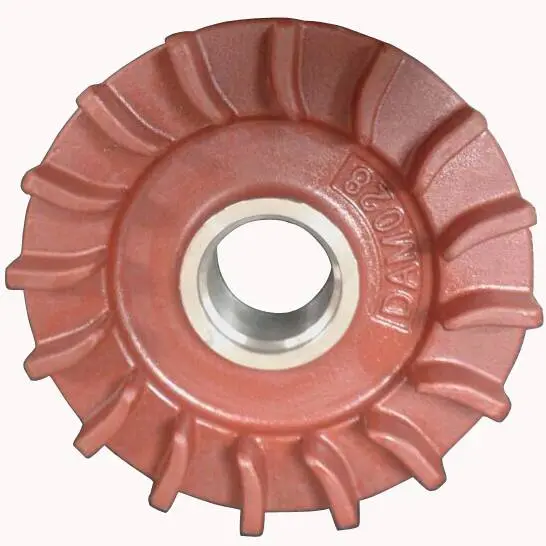
I remember a project where we needed a pump capable of handling a particularly abrasive copper ore slurry. The supplier’s ability to offer customized high chrome impellers made all the difference – we avoided premature impeller wear that might have closed the plant for hours or even days.
Comparing Leading OEM Heavy Duty Slurry Pump Suppliers
Since choices abound, here’s a quick rundown I put together comparing three noteworthy vendors in this space, which helped me narrow down options in my past roles.
| Supplier | Customization Level | Typical Lead Time | Material Options | Aftermarket Support |
|---|
| QualitySlurryPump | High – tailored designs | 4-6 weeks | Chrome alloy, rubber, polyurethane | Full global support |
| PumpPro Industrial | Medium – some customization | 6-8 weeks | Chrome alloy, rubber | Regional support only |
| HeavyFlow Pumps | Low – standard models | 4 weeks | Rubber only | Limited support |
From my experience, while lead time and pricing are important, places like QualitySlurryPump really shine because they get the fine details and offer that customization, which frankly — in slurry pump applications — often ends up saving money and headaches in the long run.
Why OEM Matters in Heavy Duty Slurry Pumps
OEM isn’t just a fancy acronym – it speaks directly to quality assurance and design integrity. When you buy a pump from an OEM that knows their stuff, you get parts designed to work together seamlessly, performance tested in rigorous conditions, and engineering support that’s often lifesaving when issues crop up unexpectedly.
Years ago, I had a chat with an engineer who’d switched to a no-name aftermarket pump to cut costs. Their plant downtime tripled; replacing inferior impellers and seals wasn’t just costly, it was downright frustrating. Sometimes, scrimping in the wrong place ends up costing more.
In the end, it feels like investing just a bit more time and money upfront with a reputable OEM supplier can pay off. Plus, they’re often more willing – and able – to tailor your pump’s design to your slurry’s exact characteristics. A true partnership rather than a mere transaction.
So, whether it’s heavy chrome alloy impellers or specialty rubber linings, take a good look at the supplier’s track record and after-sale service, because you’ll thank yourself later.
All things considered, if you’re hunting for a durable, dependable slurry pump supplier, OEM heavy duty slurry pump supplier expertise that marries engineering with real-world durability is absolutely key.
And if I may add a personal note — it always pays off to build a relationship with your supplier. They get to know your operations, and you get better, faster solutions when the unexpected inevitably strikes. Industrial equipment is complex; it’s rarely just a plug-and-play game.
References:
1. Industry standard specs from API and ISO 21909
2. Case studies from various mining operations
3. Personal communications with slurry pump manufacturers and engineers