Oct. 22, 2026

Slurry pump wet-end maintenance face continuous financial strain when premature component failure requires frequent part replacements. Procurement leads balancing initial part acquisition cost against total operational longevity often discover that cheap upfront purchasing leads to higher long-term expenses in abrasive slurry environments. Plant maintenance managers must weigh these immediate capital outlays against hidden costs like downtime and labor.
Downtime expenses and replacement frequency dictate the true financial impact of wet-end components in heavy industrial applications. Selecting durable materials for frame plate liners and cover plate liners directly mitigates these lifecycle operational expenses.
Upfront part acquisition cost forms only a fraction of total lifecycle operational expenses in severe slurry handling environments. Evaluating the financial impact requires contrasting initial purchase invoices with ongoing maintenance and downtime overhead across the active operating period.
Replacement labor overhead and operational downtime frequently exceed the nominal purchase price of replacement components. Unplanned facility outages disrupt industrial workflows, generating financial losses that compound rapidly when maintenance intervals are prematurely triggered by low-durability parts.
Long-term maintenance budgets stabilize when component selection prioritizes extended service life over initial savings. This financial balance depends directly on specific operating variables, including slurry velocity, solid concentration, and maintenance scheduling practices to be confirmed with the supplier.
Liner durability dictates the frequency of total equipment overhauls and replacement cycles in abrasive service conditions. Selecting robust materials minimizes unexpected outages and preserves continuous throughput across demanding industrial applications.
Procurement strategies that account for long-term operational longevity prevent the hidden expenses associated with frequent part swaps and emergency labor deployment. Total financial efficiency is achieved when component wear characteristics align precisely with the operational demands of the facility.
Plant operators selecting wet-end parts balance the extreme structural rigidity of alloyed options against the impact-deflection benefits of polymer alternatives.
High-chrome white iron grades provide robust resistance against severe abrasive wear drivers during continuous mineral processing.
| material | application |
|---|---|
| A05 | mining |
| A07 | mineral processing |
| A49 | power generation |
| Natural rubber | dredging applications |
| R55 | fine and sharp particles |
| Specialized elastomers | mining and sand applications |
| Polyurethane | fine and sharp particles |
Elastomer variants absorb kinetic energy effectively when fluid streams contain fine and sharp particles, protecting the underlying pump structure from rapid degradation.

Aligning specific material properties with operating variables depends on slurry velocity and solid concentration, which determine overall service life.
Fine and sharp particles present unique abrasive challenges that rapidly erode metallic boundary walls through persistent micro-cutting. Elastomer options such as natural rubber, R55, specialized elastomers, and polyurethane absorb kinetic energy through elastic deformation.
Selecting resilient elastomers over traditional metals during particulate slurry transport minimizes localized gouging and surface pitting. This deflection mechanism preserves wall integrity much longer than rigid metallic barriers under identical operational conditions, depending on operational parameters.
Specialized alloy structures resist massive shock loads that would otherwise tear or delaminate softer elastomeric linings.
Plant operators evaluating wear components must therefore match particle morphology directly against material hardness. Coarse-aggregate slurry handling dictates the deployment of metallic frames, whereas fine and sharp particulate streams favor elastomeric resilience to optimize active service intervals.
Operational stability depends on precise interface geometry matching established Weir Warman designs, preventing fluid bypass and localized casing wear during heavy processing cycles. Mechanical fasteners and discharge angles must align with exact plant tolerances.

Adhering to recognized manufacturing baselines protects plant operators from unexpected mechanical failures caused by dimensional drift. Component compatibility varies depending on operating speeds and fluid velocities dictated by the facility environment.
Maintenance crews avoid secondary machining when components integrate smoothly into existing pump housings. Securing consistent tolerance levels across every replacement cycle preserves industrial assets from accelerated wear.
Slurry pump frame plate liners and cover plate liners face severe mechanical degradation determined by operating variables unique to each facility type. Mining, mineral processing, power generation, and dredging applications impose distinct fluid dynamics and solid impact stresses that dictate how rapidly wet end hardware wears down. Operational longevity depends entirely on whether the chosen material withstands the specific kinetic energy of solids suspended in the fluid stream.
Cost-efficiency calculations must account for the distinct operational demands of mining and sand applications, where continuous throughput accelerates material loss. Evaluating total expenditure requires correlating the active solid concentration with the targeted service intervals of both high-chrome white iron and elastomer components. Facilities processing heavy mineral slurries experience rapid boundary layer erosion, transforming nominal initial purchase savings into recurring replacement expenses if the liner material is poorly matched to the slurry profile.
Slurry velocity dictates the rate of impact shear acting on frame plate liners and cover plate liners during daily operations. High fluid speeds combined with elevated solid concentration multiply the abrasive friction along internal flow paths. When fine and sharp particles enter the pump chamber, resilient materials deflect the impact energy whereas brittle surfaces suffer accelerated gouging and structural thinning, with the exact wear rate depending on local flow turbulence and the chosen alloy or elastomer grade.
Structural rigidity in metal components contrasts directly with the energy absorption capabilities of elastomeric alternatives. Selecting high-chrome white iron alloys provides exceptional resistance to sliding abrasion, whereas elastomeric components dissipate kinetic force through elastic deflection. Plant engineers must evaluate these mechanical behaviors against operating conditions such as fine and sharp particles to prevent premature structural failure.
Rigid metallic structures maintain tight tolerances under high hydraulic pressure. Resilient configurations accommodate transient mechanical shock without cracking.
Upfront acquisition expenditures represent only a fraction of active operational economics in severe processing environments. Synthesizing initial purchase budgets with projected component wear life determines the genuine financial efficiency of selected configurations. Facilities optimize long-term expenditure by balancing lower unit material prices against the labor overhead of frequent overhauls in dredging applications.

Lifecycle trade-offs govern the selection of metallic versus elastomeric internal parts in heavy industrial service. High-chrome white iron grades suit coarse solid handling, while natural rubber, R55, specialized elastomers, and polyurethane perform efficiently under fine particle impact. Determining the most cost-effective setup depends heavily on specific operational variables such as slurry velocity and solid concentration, which dictate the actual replacement frequency.
Elastomer configurations are selected when operating conditions involve fine and sharp particles. These resilient materials leverage deflection properties to absorb particle impacts effectively. Metal alternatives remain necessary under heavy impact and coarse solid conditions.
Interface alignment with established engineering geometry prevents mechanical misfit issues during installation. Adherence to standard dimensional profiles eliminates secondary labor overhead and unexpected operational delays. Verification of exact measurements precedes procurement finalization to ensure smooth integration.
Wear rates depend heavily on operational variables such as particle sharpness, solid concentration, and fluid velocity. Facilities in mining, mineral processing, power generation, and dredging experience distinct abrasive challenges. Cost-efficiency models adjust directly to these specific facility demands and target wear drivers.
White iron alloys provide structural rigidity suited for heavy impact loads. Elastomers utilize impact absorption and deflection to resist abrasive wear from fine particles. Balancing these physical characteristics optimizes long-term procurement budgeting based on specific operational demands.
Maintenance managers audit existing wet-end components by reviewing current wear patterns and service intervals. Dimensions are verified against standard industrial designs before placing replacement orders. Targeted performance data is requested from suppliers based on specific operational parameters and volume requirements.
Plant maintenance managers verify active pump schematics before issuing purchase orders to ensure exact alignment with Warman standards. Slurry handling circuits require regular audits of wet end components to locate premature wear spots before catastrophic failure halts production.
Procurement teams cross-reference current inventory against expected wear life for each application type. Decisions on whether to deploy high-chrome white iron or resilient elastomers depend entirely on specific operating variables including slurry velocity, solid concentration, and maintenance scheduling practices.
Auditing stock levels prevents emergency downtime across heavy industrial plants. Authorized personnel review active material performance data to optimize future purchasing cycles without relying on unsupported claims.

Dec 11,25
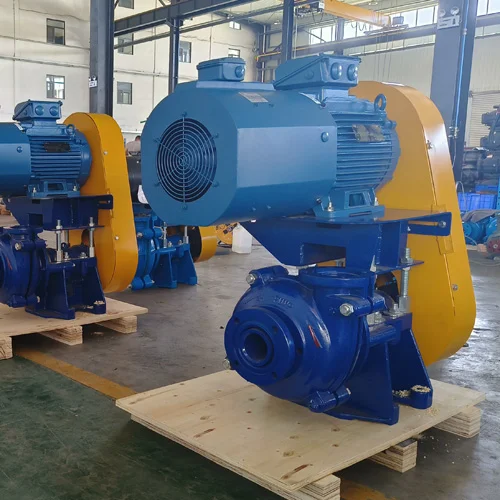
CNSME® Wear-Resistant Slurry Pumps Successfully Delivered to Australia, Enabling Mining Customers to Achieve Efficient Spare Parts Replacement
Jan 06,26
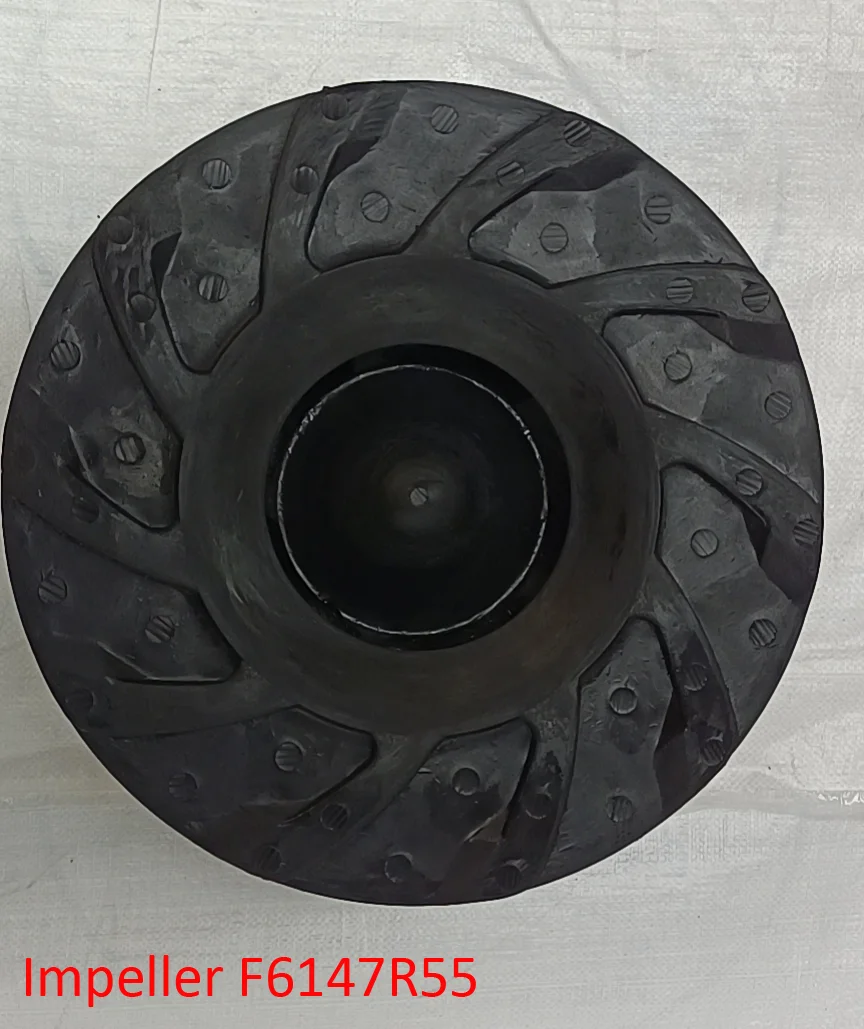
Introduction to Slurry Pump Impellers C2147, D3147, E4147, and F6147
The base code for slurry pump impellers ending in A05 denotes high-chromium alloy material, while those ending in R55 denote natural rubber material.
Feb 03,26
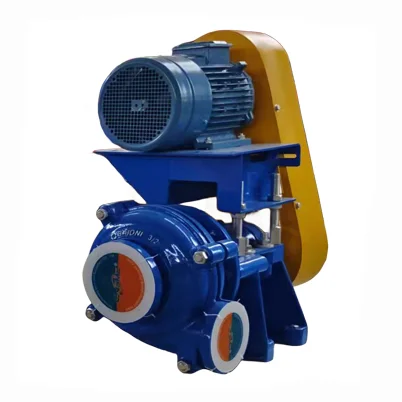
Optimizing Dredge Pump Performance Reliability and Practical Maintenance
Look, I've been running around construction sites for over a decade now, and honestly, the biggest thing I’m seeing lately is everyone chasing higher flow rates. It's like a horsepower war, you know? Everyone wants the biggest, baddest dredge pump on the block. They think bigger equals better. But… it's not always that simple. Have you noticed, a lot of these designs, they look fantastic on paper, all sleek and optimized. But then you get them on-site, and they're a nightmare to maintain. Too many tight spaces, proprietary fittings, stuff like that. It’s like the engineers designing these things have never actually touched a wrench. They forget that someone has to disassemble this thing in the pouring rain at 3 AM. And it's not just the design. The materials...people are constantly trying to cut corners. We've really started standardizing on high-chrome iron for the impeller and casing. It’s heavy, sure, smells a bit like metal shavings when you first machine it, and getting a good weld requires a specialist, but it holds up.

May 29,26
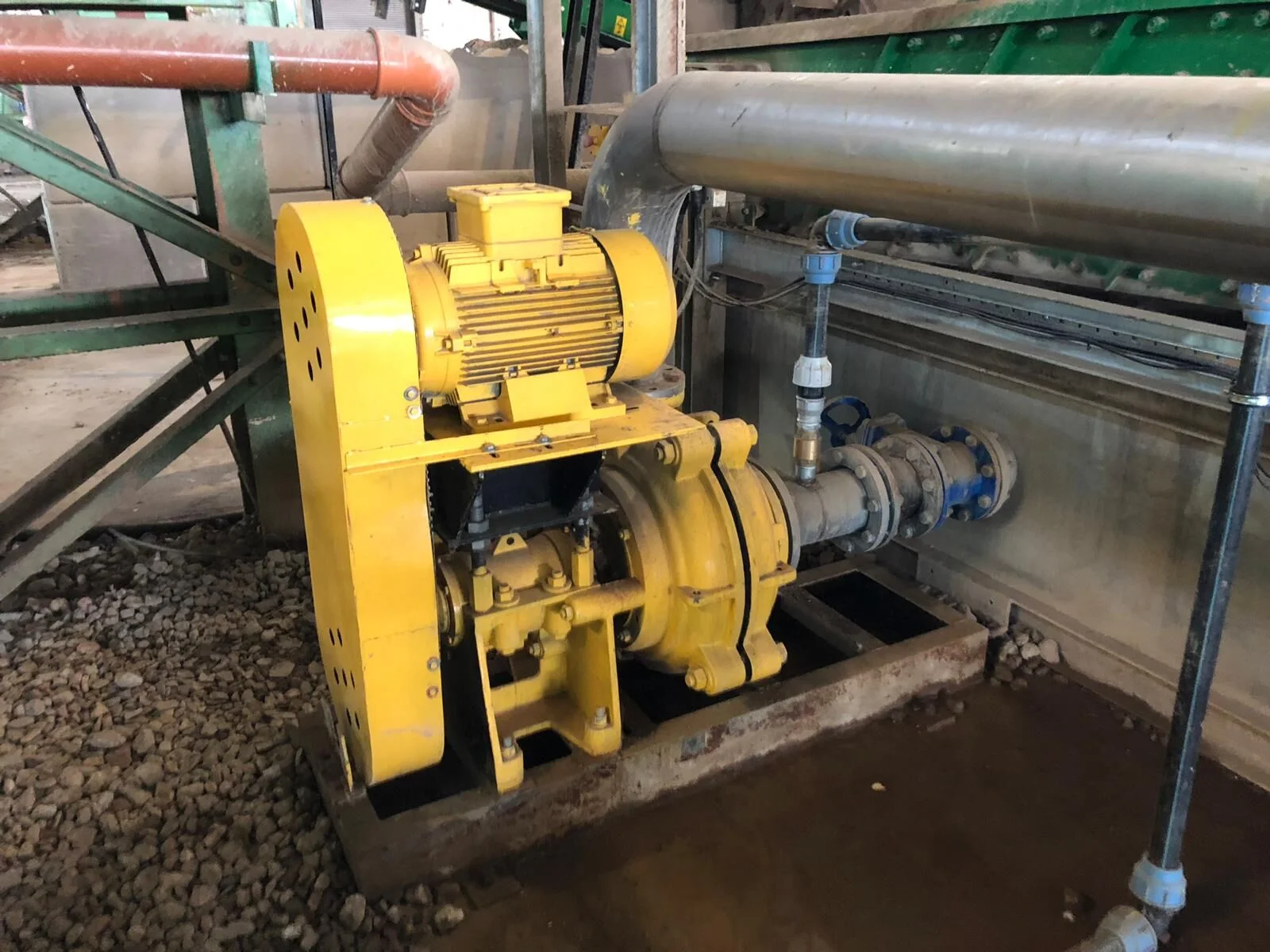
Industrial Hard Metal Slurry Pump for Abrasive Mining Fluids
May 14,26
How to Choose Slurry Pumps for Demanding Conditions? Six Application Cases Analyzed
From iron ore processing to thickener underflow, different slurry characteristics demand tailored pump designs. Key factors include material selection (high-chrome alloys, rubber liners, duplex stainless steel), structural design (double-casing, direct drive, large flow passages), and maintenance strategies. Choosing the right pump significantly reduces downtime and improves plant efficiency.
Oct 31,25
bscribe newslette