Oct 31,25
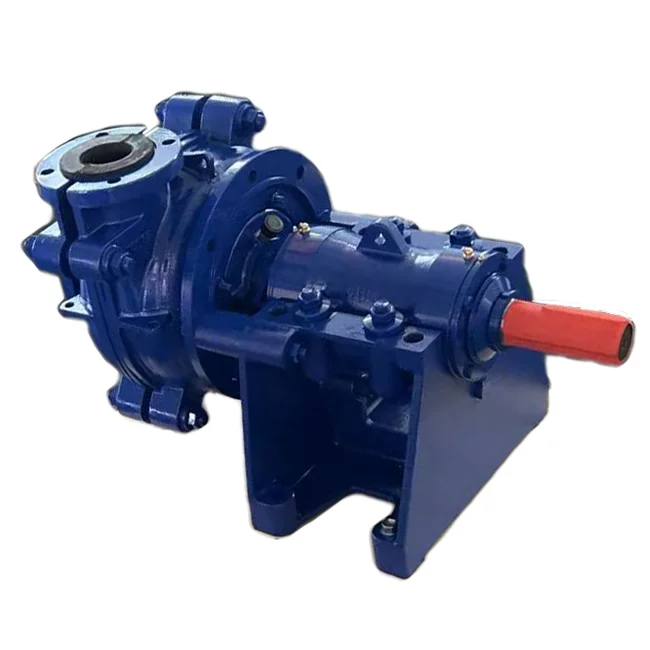
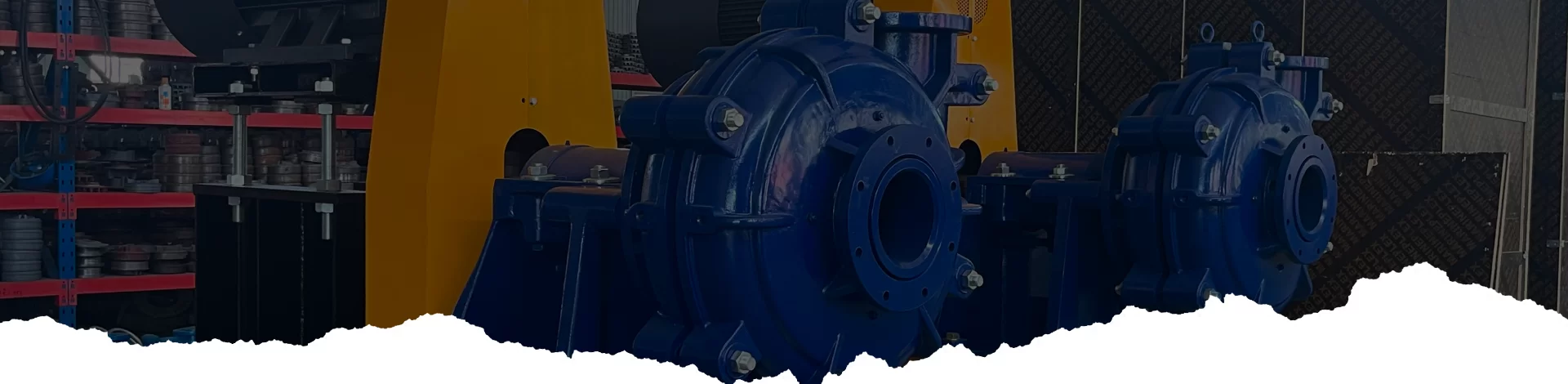
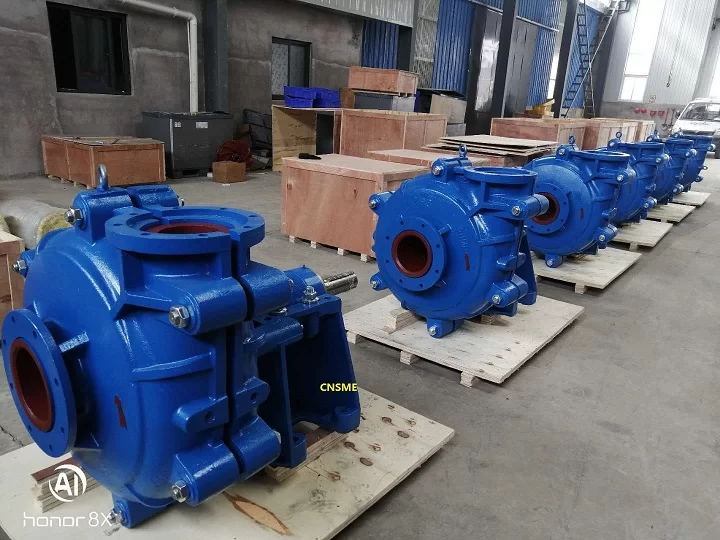
6×4 and 8×6 A05 High Chrome Slurry Pumps Ready for Shipment
Slurry Pumps Models: SH/150E (8×6); SH/100D (6×4). Material of Wet-end Spare Parts: High Chrome Alloy, ASTM A532. Shaft Seal: Expeller
Dec 11,25
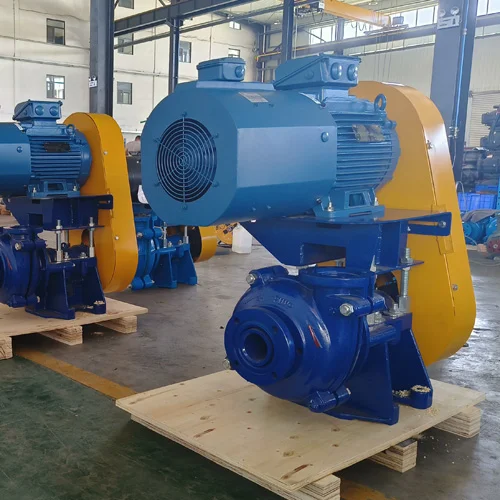
CNSME® Wear-Resistant Slurry Pumps Successfully Delivered to Australia, Enabling Mining Customers to Achieve Efficient Spare Parts Replacement
Jan 27,26
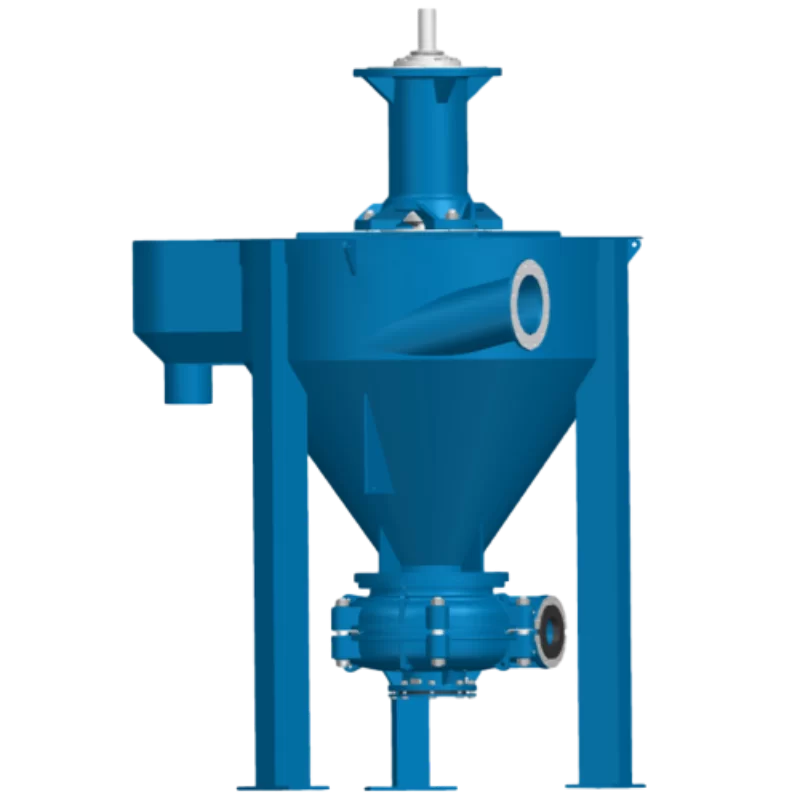
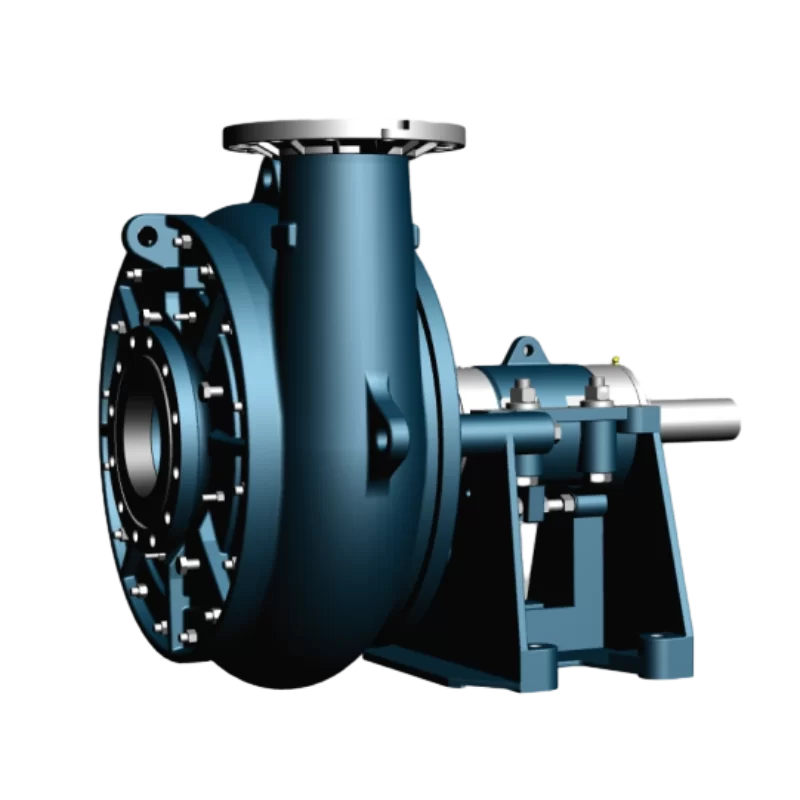
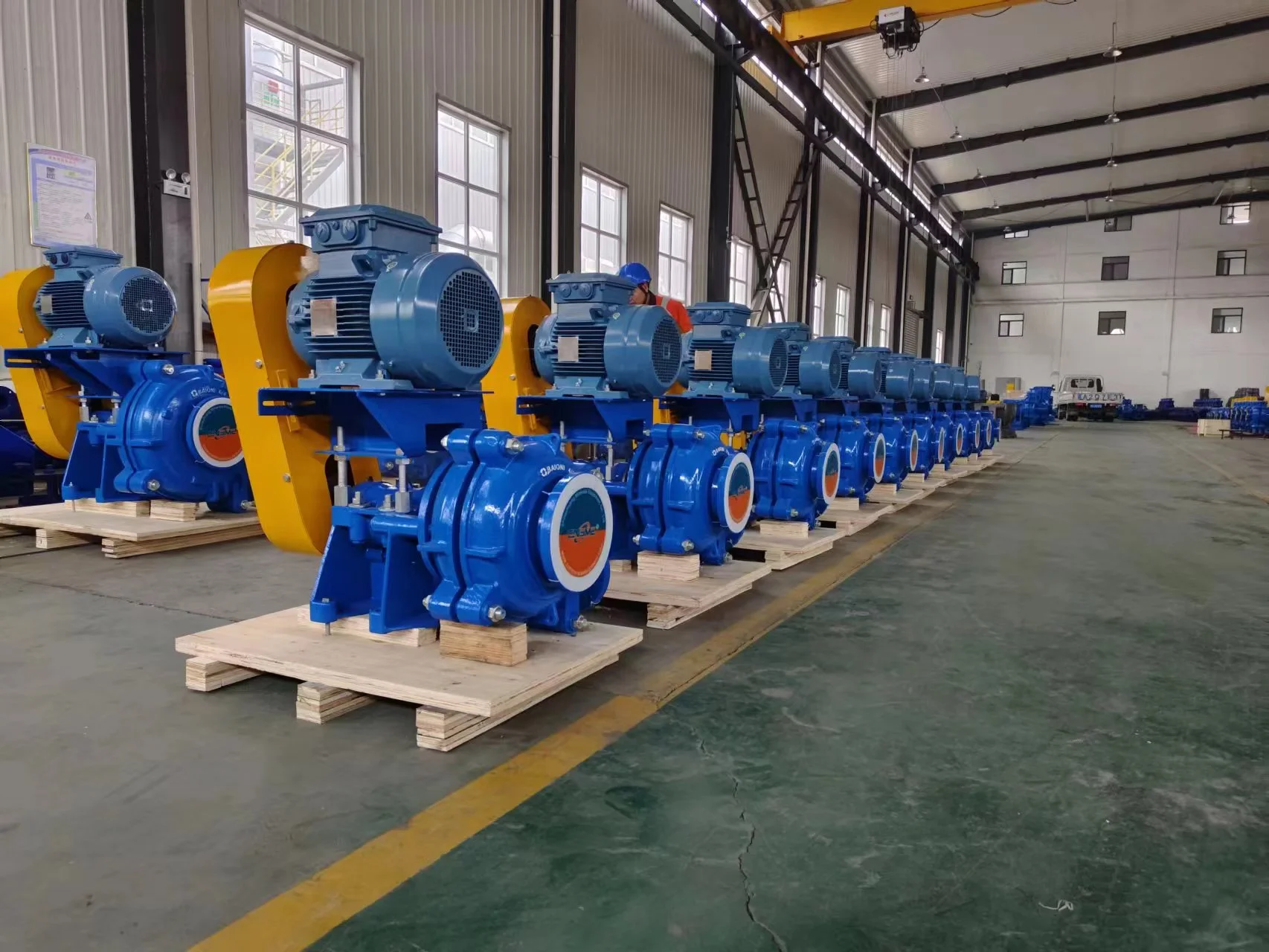
Robust Centrifugal Slurry Pump Solutions for Modern Construction and Industry
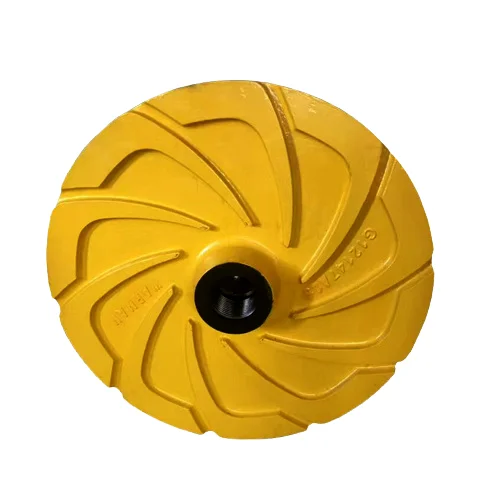
To be honest, things have been a bit hectic lately. Everyone’s talking about modular construction, prefabrication… basically, getting stuff done offsite. Seems like every other engineer is running around with a BIM model, and the pressure to cut lead times is insane. It’s not just hype, though. I’ve seen it save projects, and it's definitely the way things are heading. And you know what that means? More demand for robust, reliable centrifugal slurry pumps. You wouldn’t believe the amount of concrete slurry involved, even in “modular” builds. Have you noticed how everyone’s obsessed with lightweight materials? Carbon fiber, composites… great for reducing weight, but when it comes to something like a slurry pump, it's about endurance, not saving a few grams. I encountered this at a precast factory in Tianjin last time; they tried using a pump with a fancy plastic impeller and it cracked within a week. Went back to good old cast iron, and problem solved.
Oct 31,25
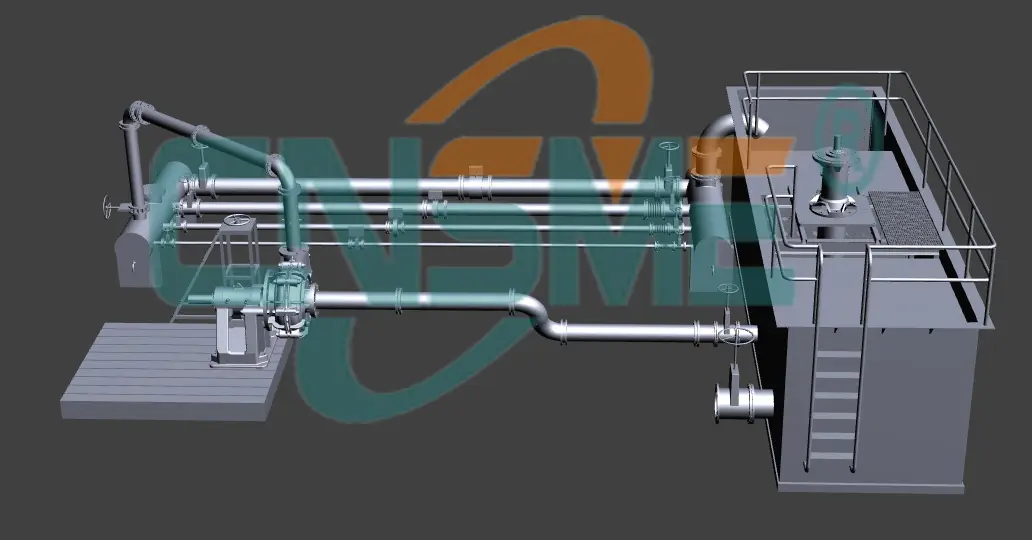
CNSME’s new pumping station is under preparation
Oct 31,25
Common Faults & Solutions of Slurry Pumps
bscribe newslette