Oct 31,25
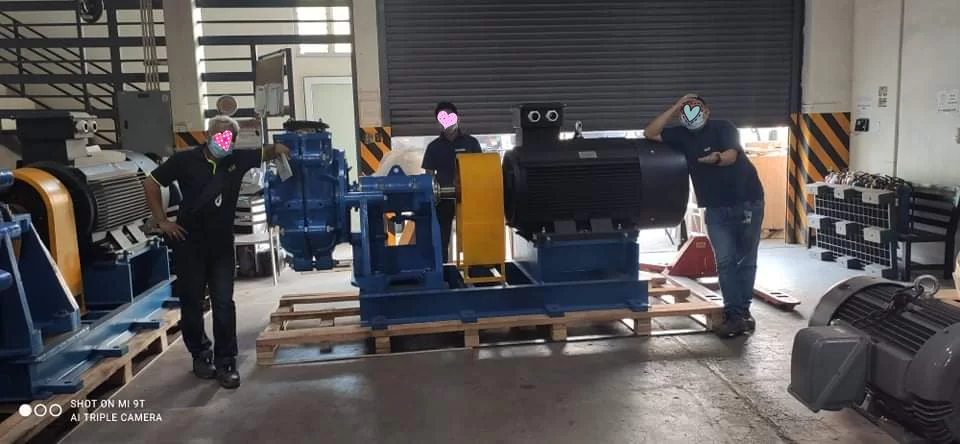
Pump knowledge -- Slurry pump concept and applications 1. Concept of pump: all machines that are used to lift liquid, transport liquid, and increase the
Jan 27,26
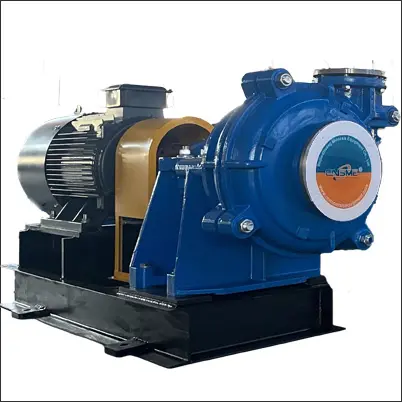
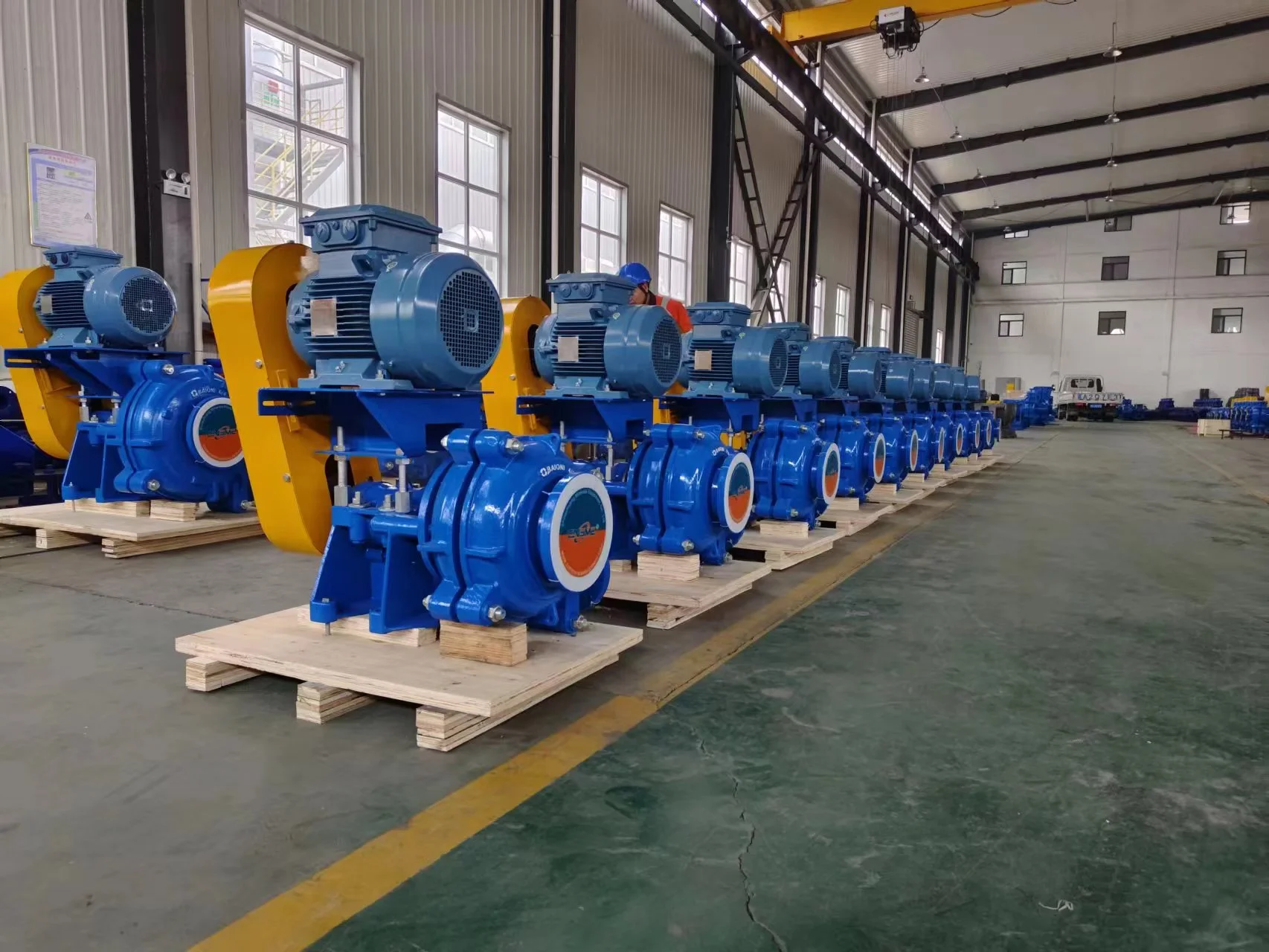
Robust Centrifugal Slurry Pump Solutions for Modern Construction and Industry
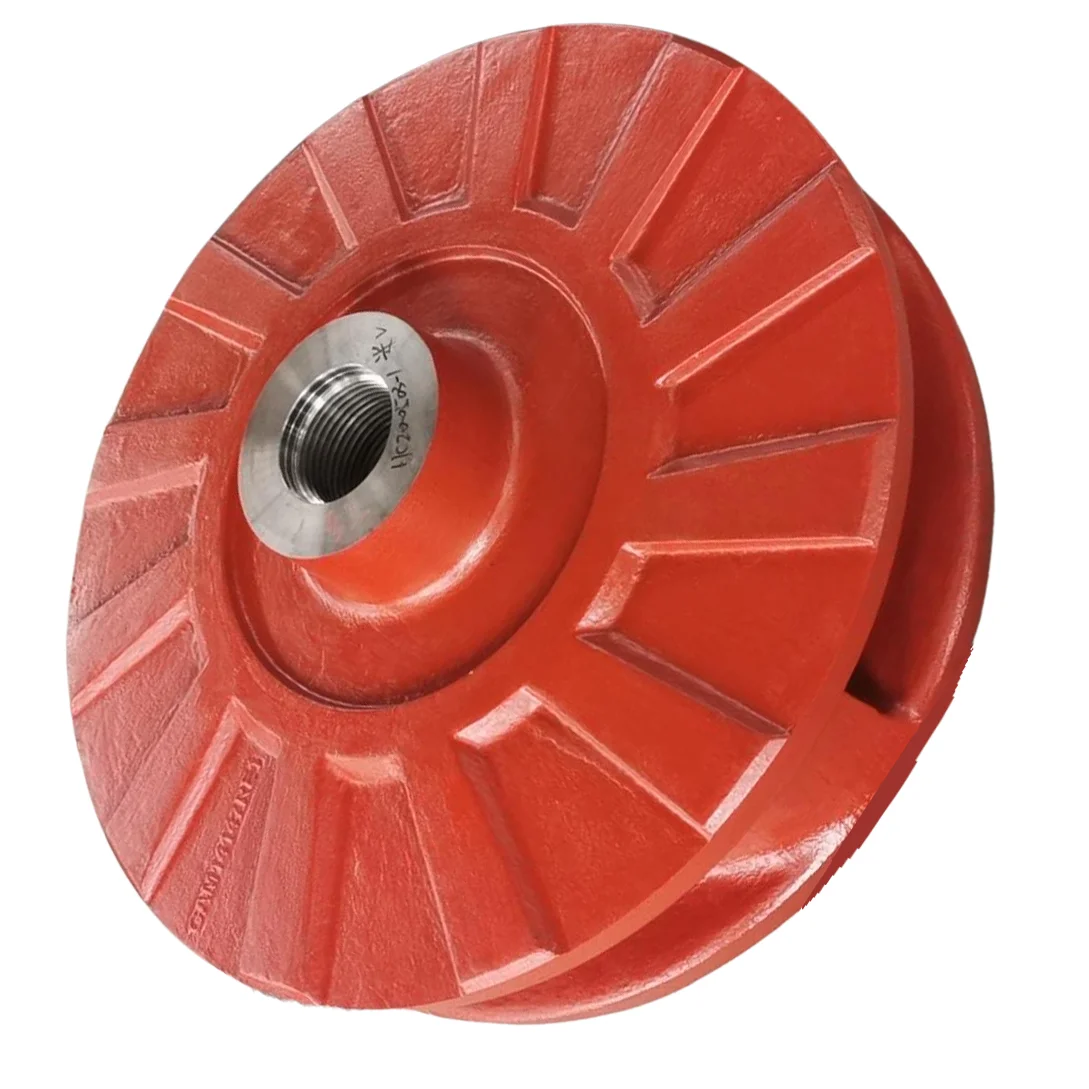
To be honest, things have been a bit hectic lately. Everyone’s talking about modular construction, prefabrication… basically, getting stuff done offsite. Seems like every other engineer is running around with a BIM model, and the pressure to cut lead times is insane. It’s not just hype, though. I’ve seen it save projects, and it's definitely the way things are heading. And you know what that means? More demand for robust, reliable centrifugal slurry pumps. You wouldn’t believe the amount of concrete slurry involved, even in “modular” builds. Have you noticed how everyone’s obsessed with lightweight materials? Carbon fiber, composites… great for reducing weight, but when it comes to something like a slurry pump, it's about endurance, not saving a few grams. I encountered this at a precast factory in Tianjin last time; they tried using a pump with a fancy plastic impeller and it cracked within a week. Went back to good old cast iron, and problem solved.
Oct 31,25
Professional Slurry Pump Supplier from China
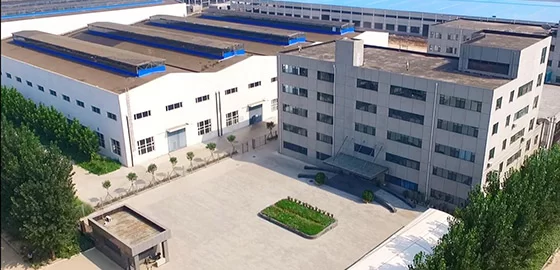
We are a professional slurry pump supplier based in Shijiazhuang, China, wither over a decade's experience.
Oct 31,25

Dec 05,25
Vietnam Client Visit Update | On-Site Discussion for Vertical Slurry Pump Project Optimization
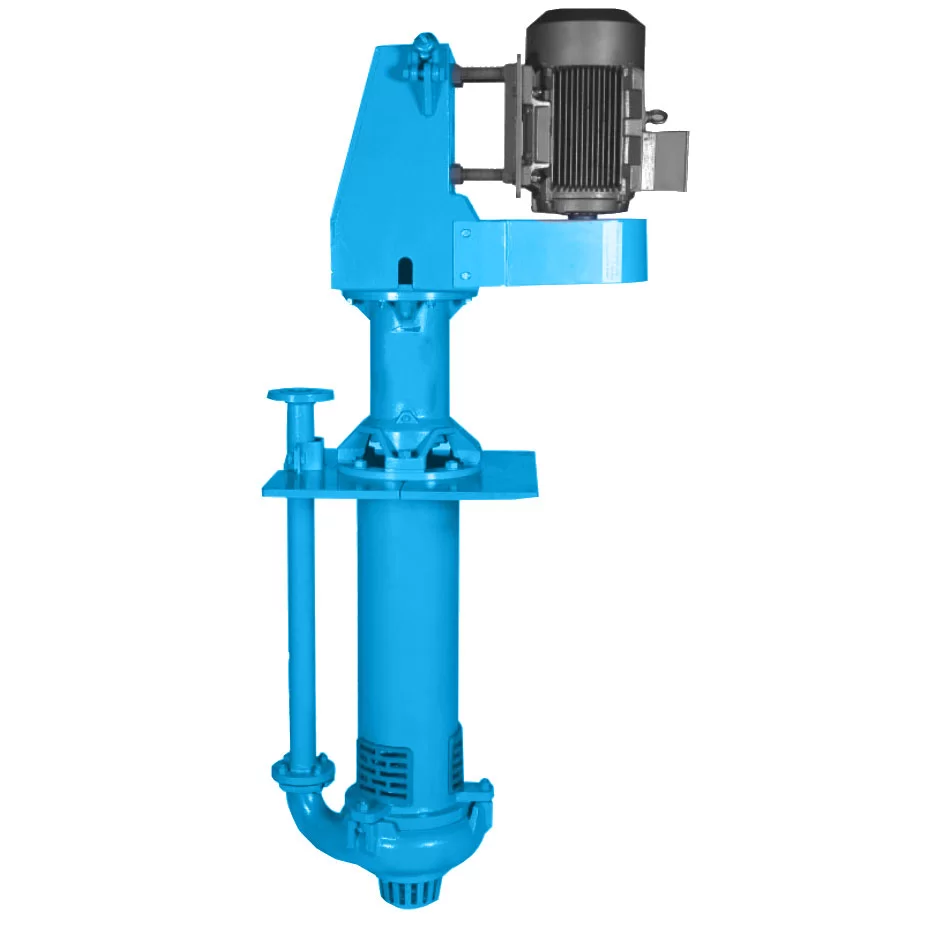
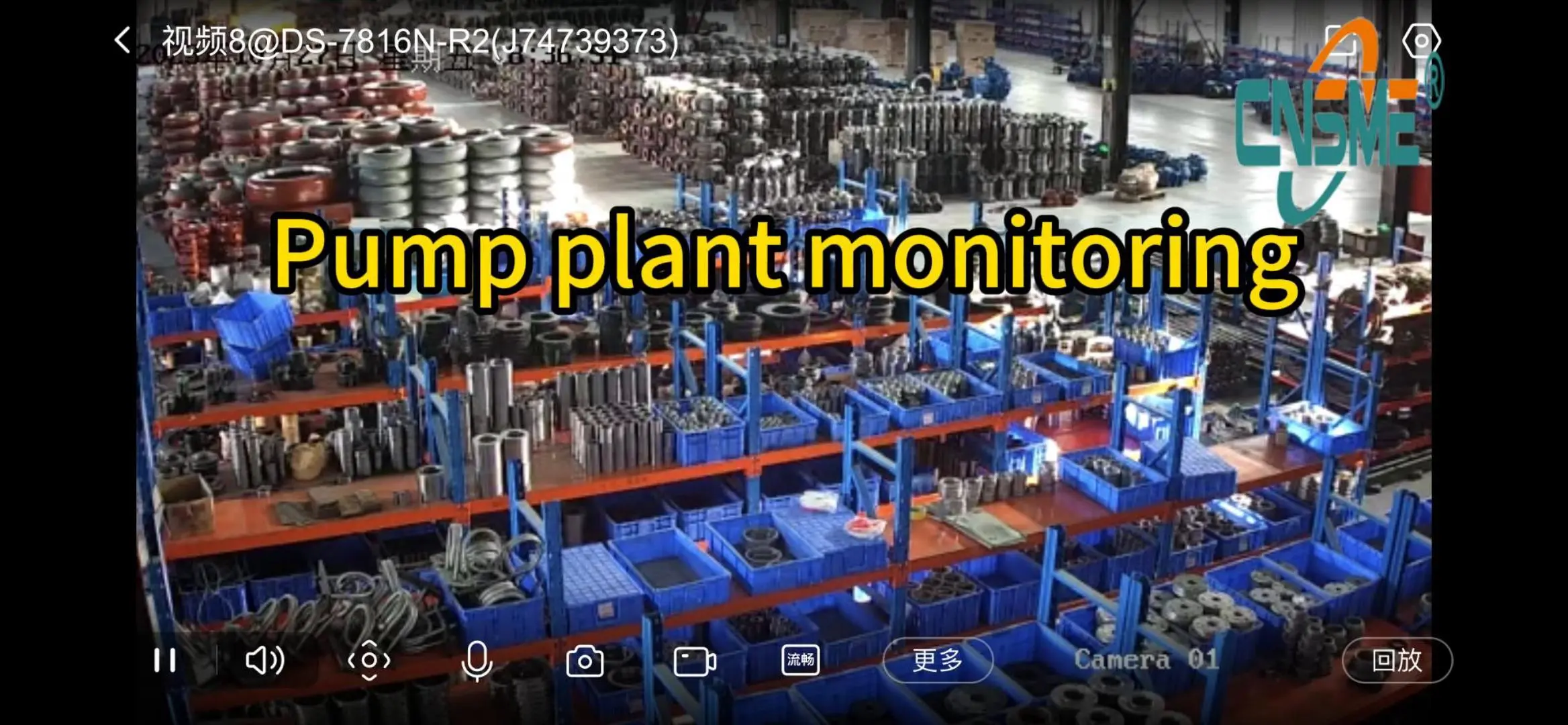
On November 30, 2025, our technical and service team began a 10-day business visit to Vietnam, meeting mining clients face to face to review the operation of vertical sump pumps and discuss technical optimization for upcoming projects.
Feb 04,26
Optimizing Operational Efficiency Through Effective Warman Slurry Pump Replacement
Warman slurry pump replacement is a critical component of maintaining operational efficiency and minimizing downtime across various industries, including mining, dredging, and wastewater treatment. The lifespan of these pumps is dictated by the abrasive nature of the materials they handle, necessitating periodic replacement to avoid catastrophic failures and maintain consistent performance. Understanding the nuances of warman slurry pump replacement—from selecting the right replacement parts to implementing effective maintenance strategies—is paramount for maximizing return on investment and ensuring safe operation. Globally, industries rely heavily on robust pumping solutions for processing and transporting abrasive slurries. The demand for reliable warman slurry pump replacement parts and services is consistently high, driven by the constant need to upgrade aging infrastructure and adapt to evolving operational requirements.
bscribe newslette