Slurry pump selection isn’t just about picking a pump; it’s about understanding the entire process system and predicting its long-term behavior. After years spent on sites – from Canadian oil sands to Australian mine tailings – you quickly learn a pump failure isn’t just a repair bill, it’s a disruption, a safety hazard, and potentially environmental damage. Understanding the nuances of slurry composition, flow rates, and abrasion resistance is crucial. A poorly chosen pump can lead to constant downtime, skyrocketing maintenance costs, and even catastrophic failures. That’s why a proper slurry pump selection guide is a foundational element of any successful operation. From the mineral processing plants powering the green energy transition to wastewater treatment facilities ensuring public health, efficient slurry transport is essential. According to the World Bank, responsible mining practices – which heavily rely on reliable slurry systems – are vital for sustainable development. We’re seeing increasing demand for pumps that can handle ever-more-complex slurries, often with a focus on reducing energy consumption and minimizing environmental impact. Ignoring the details upfront leads to expensive retrofits and operational inefficiencies down the line – I've seen it happen too many times.
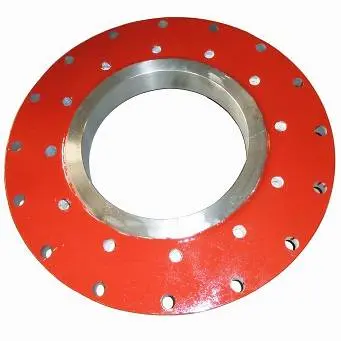
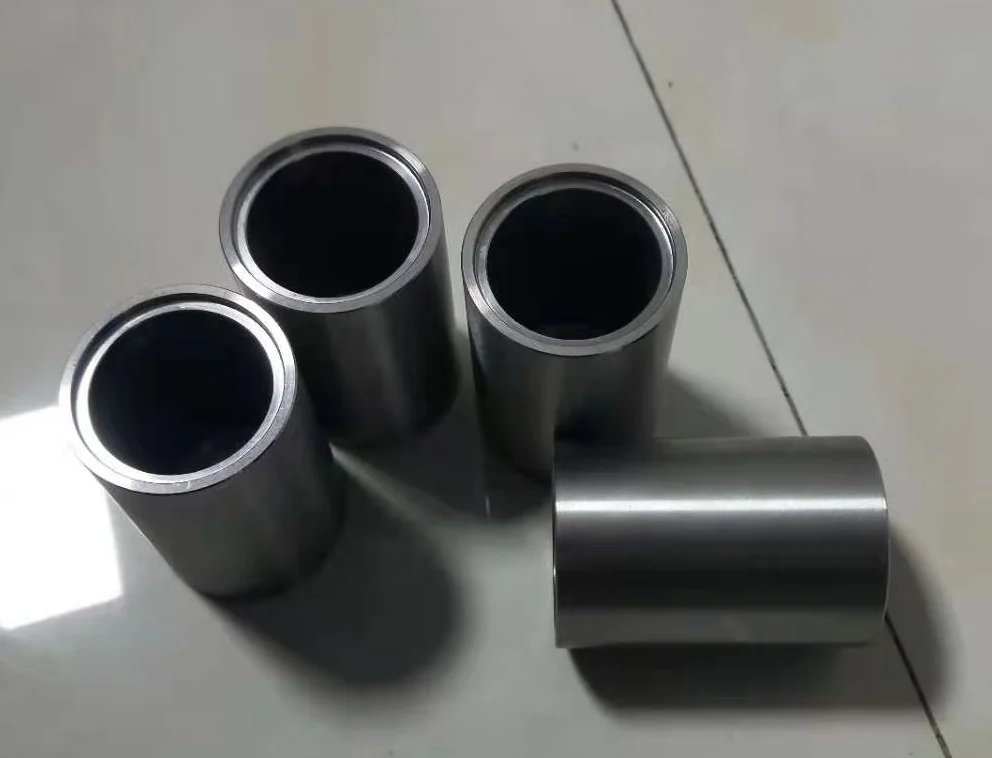
When your slurry pump performance depends on reliable components, choosing the right OEM slurry pump shaft sleeve supplier is crucial. These sleeves protect your pump shaft from abrasive wear, corrosion, and the harsh conditions inherent in slurry applications. This article provides a detailed overview of shaft sleeves, the benefits of choosing an OEM supplier, key considerations for selection, and why Quality Slurry Pump is a trusted partner for businesses worldwide. Ensuring the longevity of your pump starts with high-quality replacement parts. Slurry pump shaft sleeves are cylindrical components fitted over the pump shaft. They act as a sacrificial wear layer, protecting the more expensive shaft from damage caused by the abrasive particles in the slurry. Different materials are used depending on the slurry composition and operating conditions. Common materials include high-chrome cast iron, rubber, ceramic, and hardened stainless steel. Properly selected and maintained shaft sleeves significantly extend the life of your pump and minimize downtime.
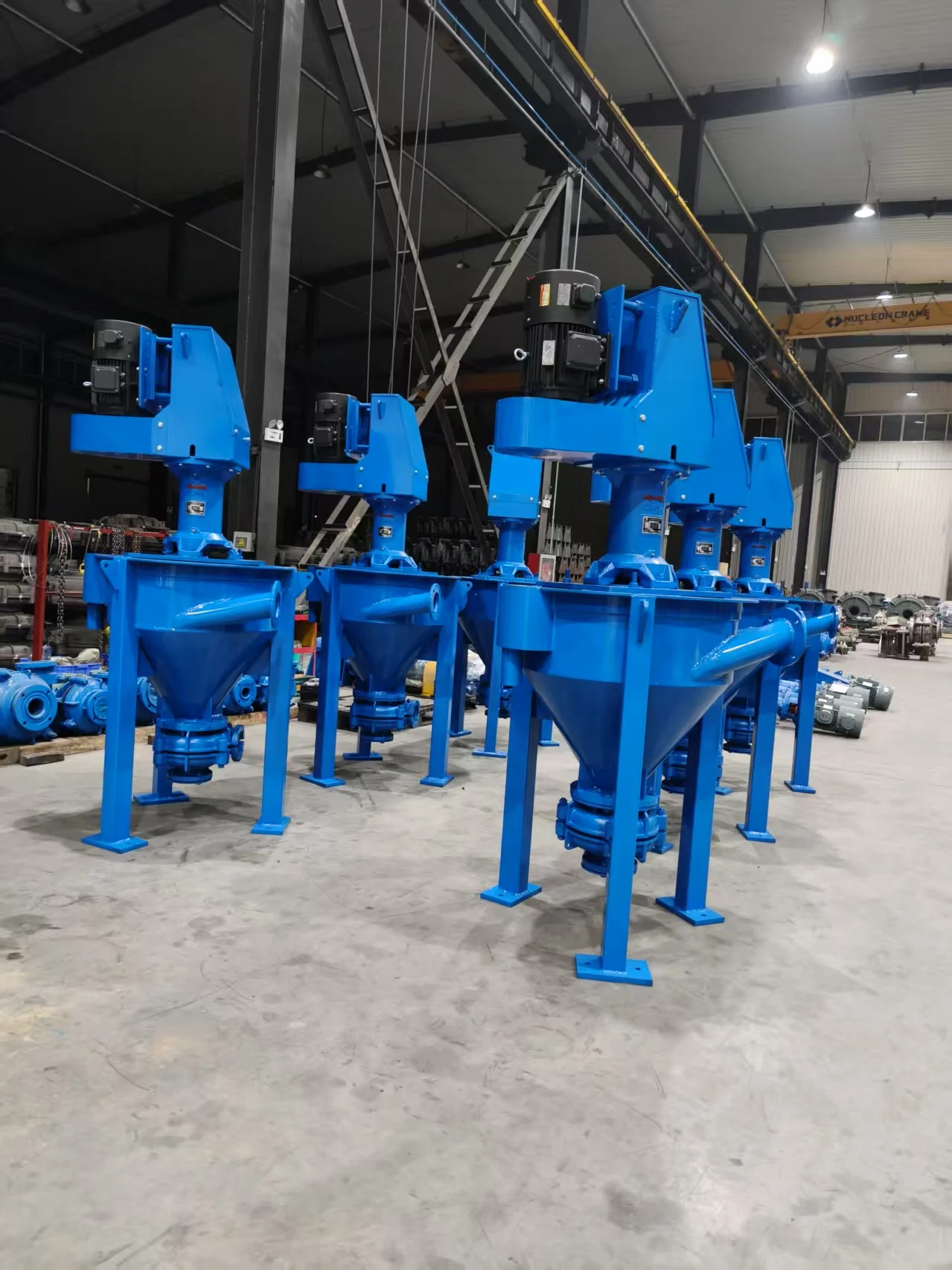
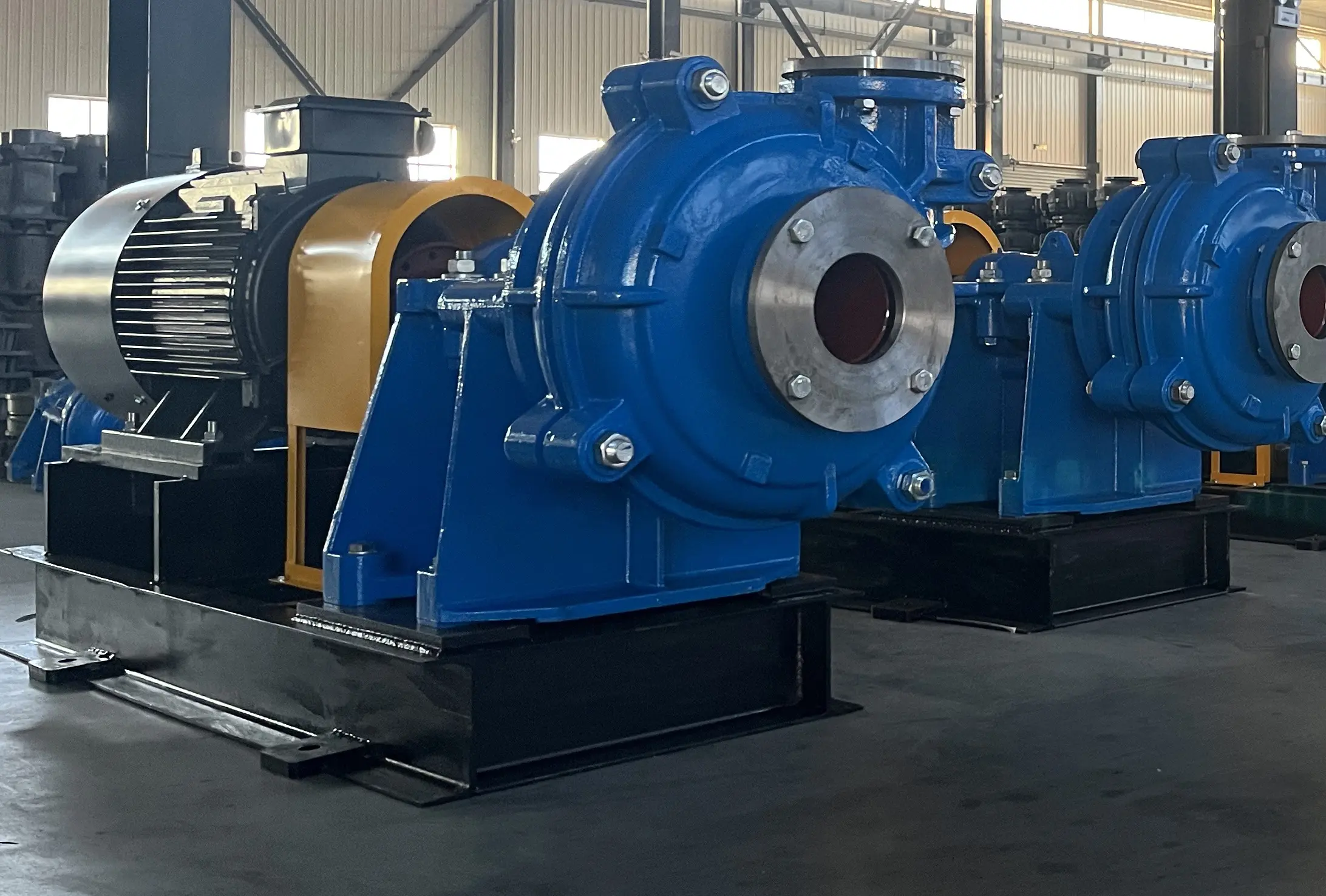
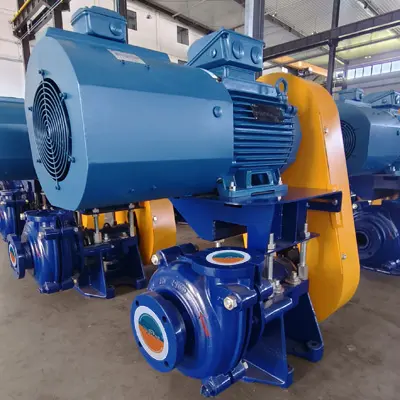
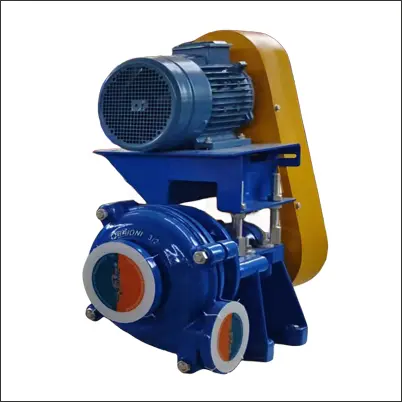
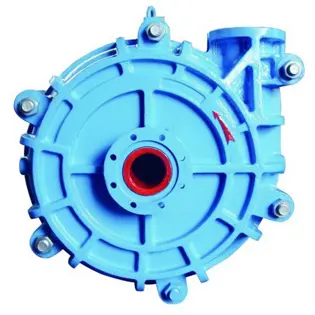
In the demanding world of minerals processing and tailings management, the ability to move abrasive, high-density materials efficiently is a critical operational requirement. The use of a specialized horizontal slurry pump ensures that mining and industrial plants can maintain continuous flow without frequent breakdowns, directly impacting the overall profitability and safety of the site. By leveraging heavy-duty centrifugal designs, these machines bridge the gap between raw material extraction and refined processing. Across the global mining landscape, from copper mines in Chile to iron ore operations in Australia, the challenge of overweight applications such as mill discharge and high-pressure pipeline transport requires equipment
In the demanding environment of modern metallurgy, the efficient transport of abrasive materials is critical to maintaining production uptime. The use of a specialized slurry pump for steel mill operations ensures that heavy tailings, slag, and abrasive minerals are moved without causing premature equipment failure. By integrating advanced hydraulics and wear-resistant materials, these pumps bridge the gap between raw processing and final output. The global steel industry faces increasing pressure to optimize resource recovery and reduce operational costs. Implementing a high-performance slurry pump for steel mill applications allows facilities to handle larger particles and higher densities of solids,