Oct 31,25
How to choose a suitable slurry pump – slurry pump manufacturer
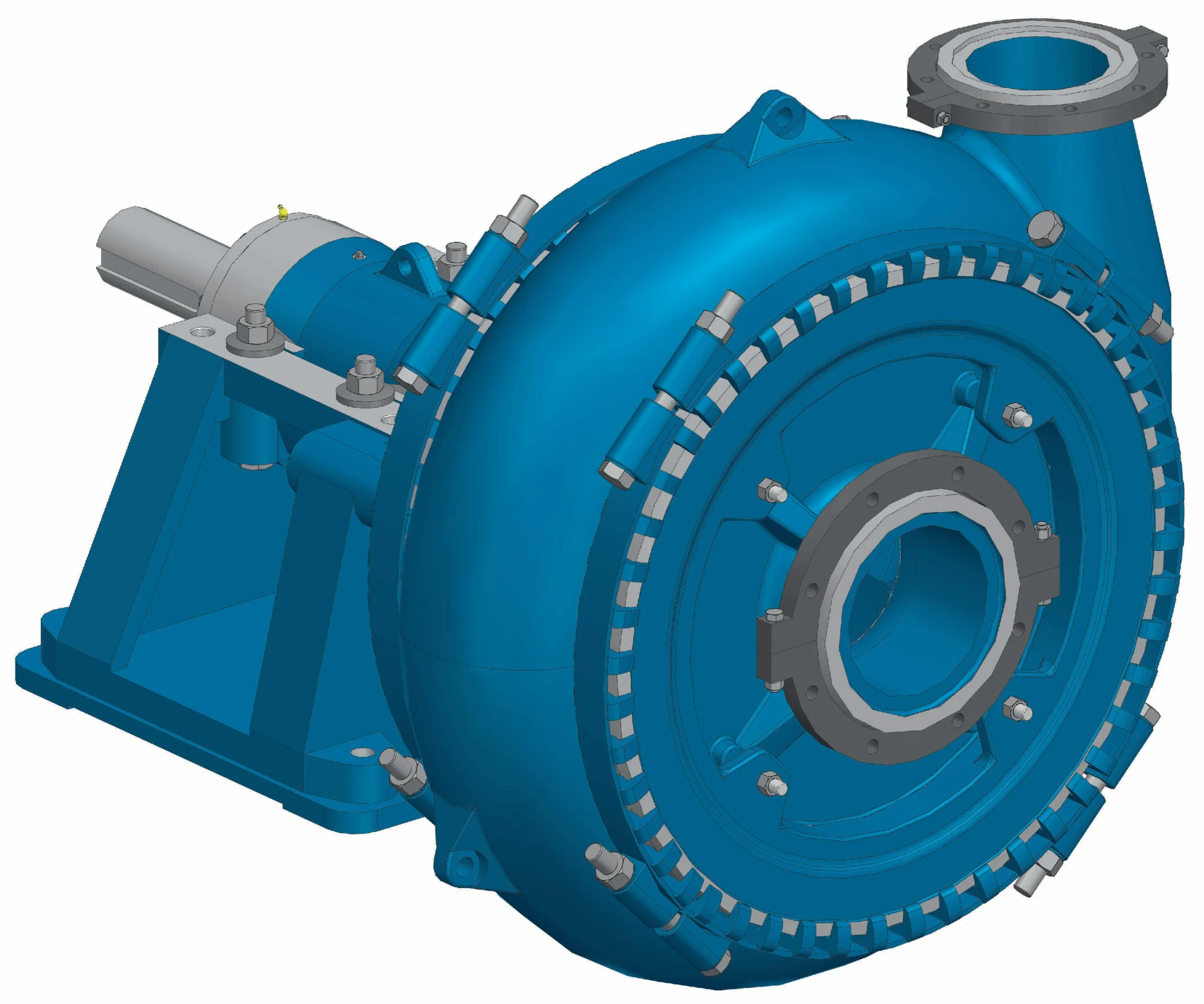
The slurry pump supplier briefly introduces you to how to choose a suitable slurry pump. During operation, many factors will have an impact on work efficiency,
Feb 02,26
Understanding Durable Gravel Pump Design and Material Considerations
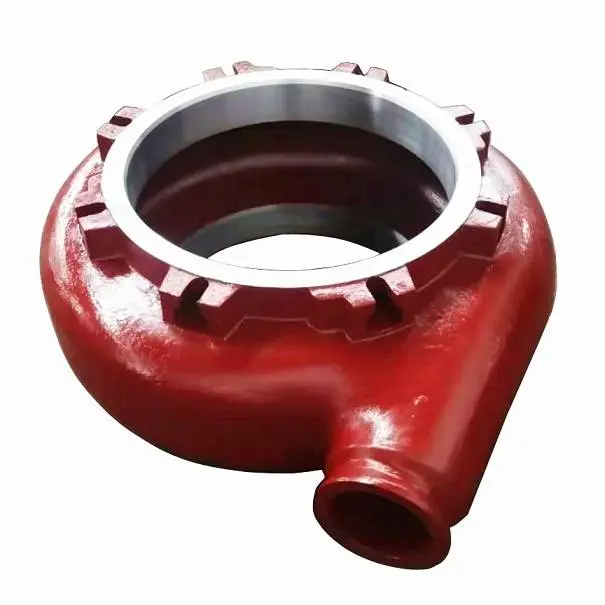
You know, I've been running around construction sites for years, and the biggest trend lately? Everyone's obsessed with minimizing weight. Lighter materials, thinner walls… It's all about getting the job done faster and cheaper, but honestly, sometimes I worry we're sacrificing durability. It's a trade-off, right? We've all seen what happens when things are too lightweight. I've seen so many designs that look good on paper, but fall apart in the real world. Have you noticed how everyone wants these sleek, minimalist designs? It's fine, I guess, but integrating cable management, or even just decent access panels, is often an afterthought. They design these things in an office, they don't spend weeks wrestling with them in the mud. Then I'm the one getting yelled at because the electrician can't reach the damn terminals. We use a lot of high-density polyethylene for the pump housings these days. Good stuff. It’s got that… plastic-y smell, but it's tough. Surprisingly tough. Feels a little waxy to the touch, needs gloves if you’re handling it all day. And then, of course, there's the cast iron for the impeller and volute. Heavy as hell, but you can’t beat the abrasion resistance. I encountered this at a pump factory in Jiangsu Province last time – they were trying to switch to a polymer impeller to save weight, but it just couldn’t handle the gravel. Completely shredded within a month.

Dec 19,25
Holiday Notice | CNSME Office Closure from December 20 to December 28, 2025
To strengthen team collaboration and promote a positive corporate culture, CNSME will organize a company trip to Guilin, China, from December 22 to December 26, 2025.
Oct 31,25
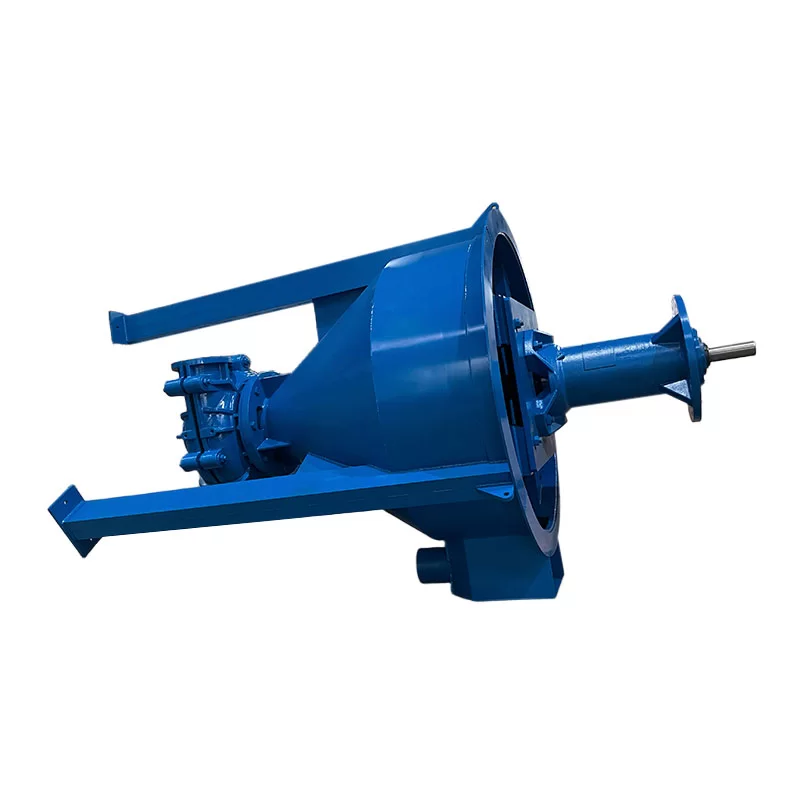
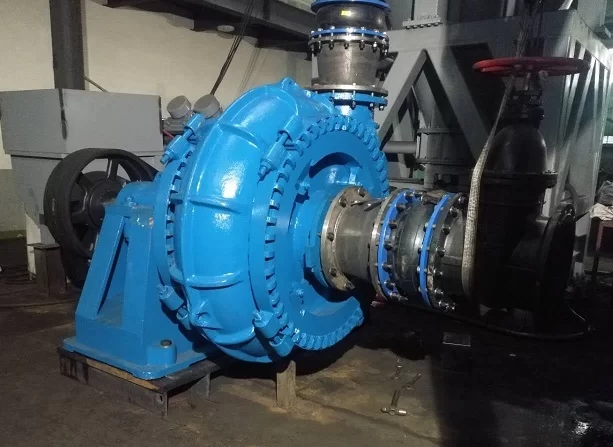
12 inch Sand (Gravel) Slurry Pump Installation
14/12 G-G Gravel Pump, Sand Pump, Dredging Slurry Pump. Flowrate upto 2000m3/hr; Head upto 60m. Material of Impeller: High Chrome Alloy CR27%.
Apr 09,26
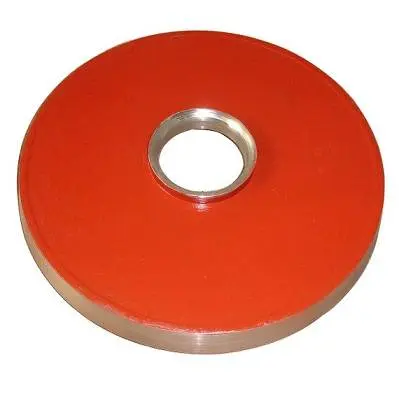
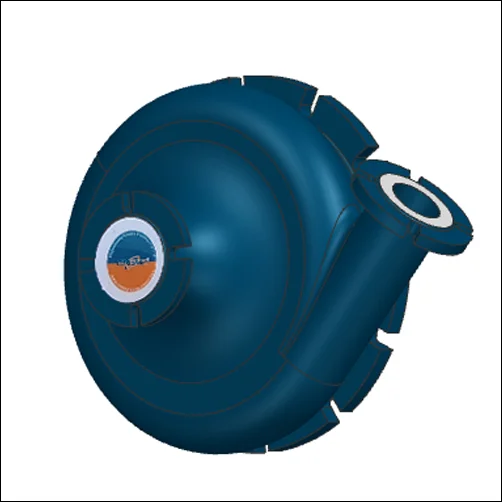
Top China slurry pump cover plate manufacturer for Industrial Use
Feb 09,26
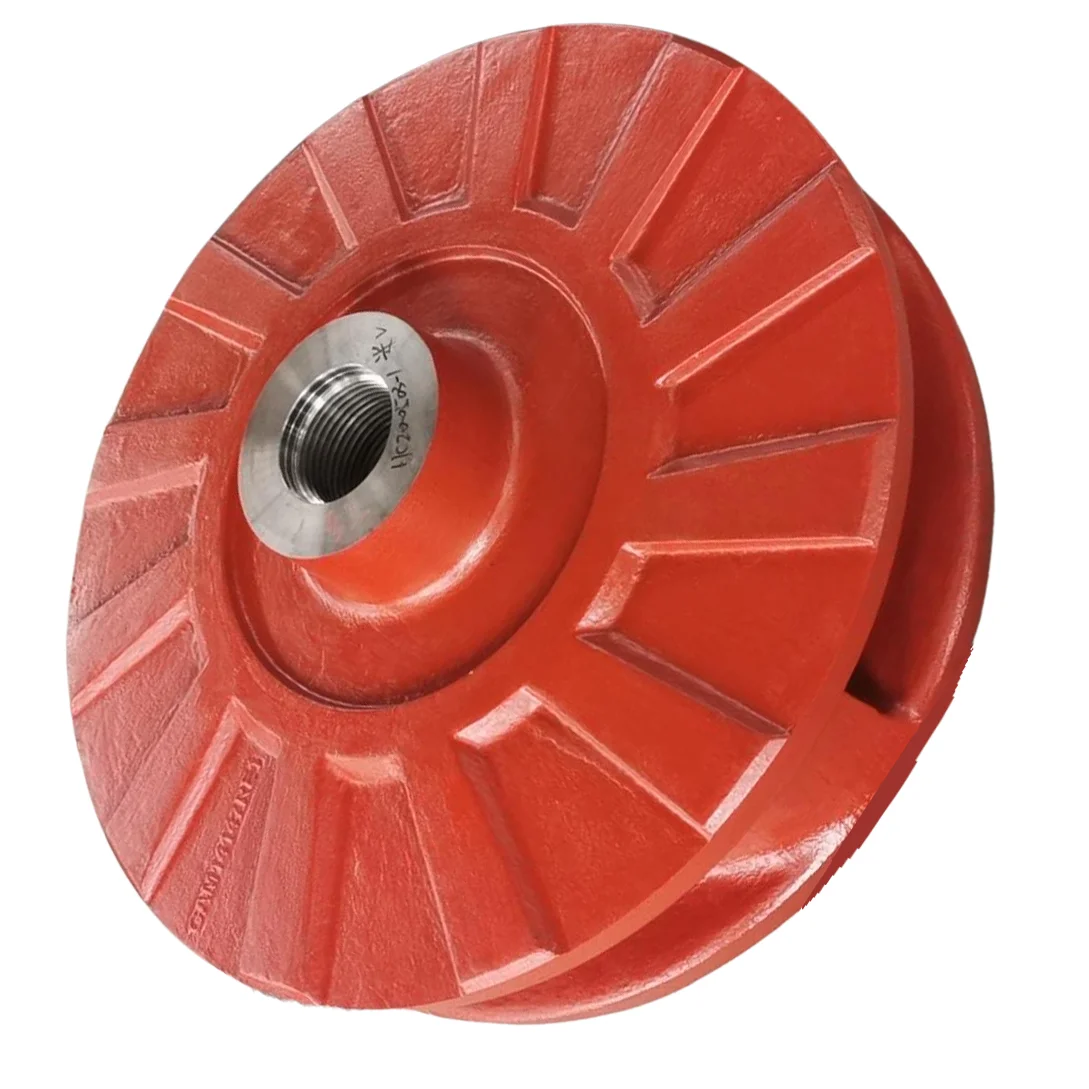
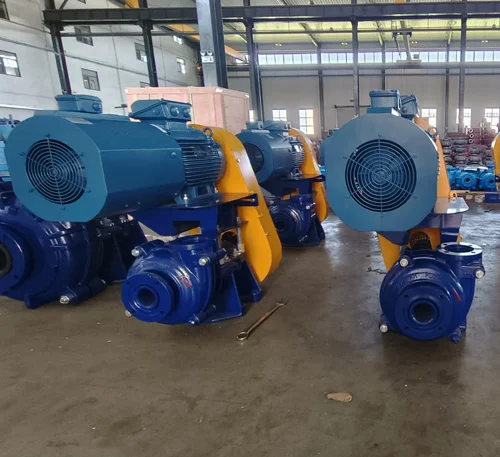
Comprehensive Guide to Slurry Pump Impeller Manufacturers and Performance
bscribe newslette